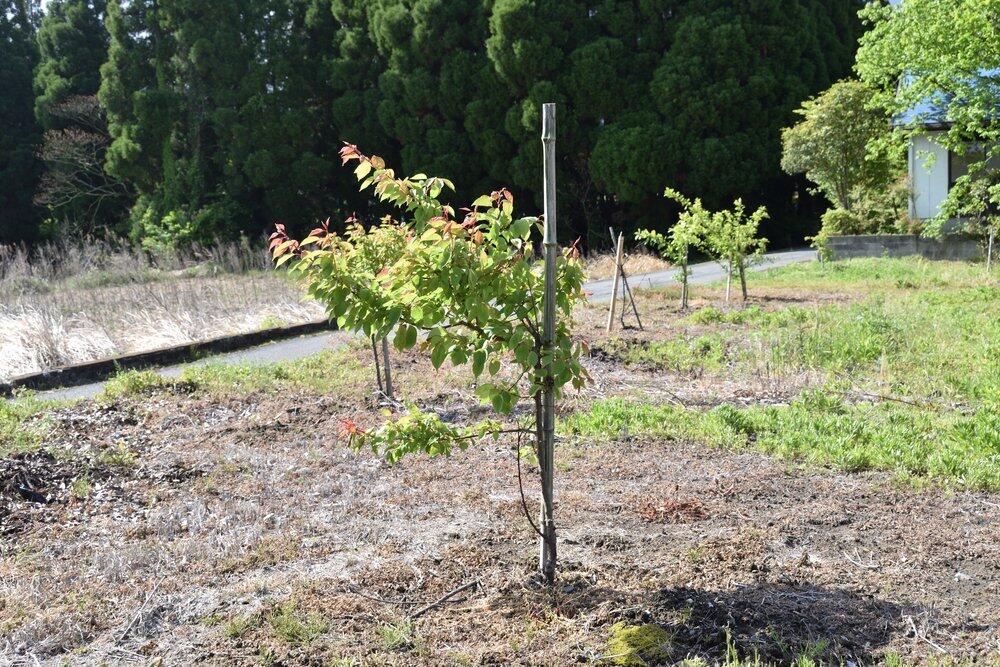
Terry McIntosh
Chestnut Oak Tree

Chestnut Oak Tree
Ships Between November 15-29
4-8
50–70 Feet
Low and Moderate
Full sun
April through May
Water chestnut oak trees deeply once a week through the first summer and spread a 2- to 3-inch mulch ring over the root zone. Prune dead or crossing branches in late winter.
The Chestnut Oak Tree thrives in full sun to partial shade. It prefers a sunny location with at least 6 hours of natural sunlight every day but can also tolerate some shade, particularly in hot climates or during peak summer heat.
Landscaping delight & ecosystem support , Soil stabilization & carbon sequestration, Aesthetic appeal & long lifespan
Terry McIntosh
Chestnut Oak Tree
Suzanne Suva
Chestnut Oak Tree
Sue
These trees are in great shape, and very healthy. I will be ordering more.
About this plant
The chestnut oak (Quercus montana) is a native white oak that grows 50 to 70 feet tall with a broad, rounded crown, deeply ridged bark and large acorns. Chestnut oak is hardy in USDA zones 4–8 and thrives in full sun on dry, rocky or well-drained soil. TN Nursery ships bare-root chestnut oak trees Buy 1 Get 1 Free.
Chestnut oak is a member of the beech family, Fagaceae, and belongs to the white oak group. Gardeners also call it rock oak, rock chestnut oak and mountain chestnut oak, and older books list it as Quercus prinus. The chestnut oak tree grows wild from southern Maine and Ontario south along the Appalachians to Georgia and Alabama, and it is one of the signature trees of the dry ridges and bluffs of the Cumberland Plateau around our Altamont, Tennessee nursery.
A chestnut oak leaf is 4 to 8 inches long, glossy dark green and edged with wavy, rounded teeth instead of deep lobes, which is how the chestnut oak got its name. The leaf looks much like the leaf of the American chestnut.
Chestnut oak bark is one of the easiest barks to identify in the eastern woods. On a mature chestnut oak, the bark breaks into thick, dark ridges separated by deep V-shaped furrows. The bark is rich in tannin, and Appalachian tanneries once relied on chestnut oak bark to tan leather.
Chestnut oak acorns are among the largest of any eastern oak, 1 to 1½ inches long, shiny brown and set in a thin, bowl-shaped cap. As a white oak, the chestnut oak ripens its acorns in a single season, and the acorns drop from September into October.
Chestnut oak (Quercus montana) grows on dry, rocky uplands, while swamp chestnut oak (Quercus michauxii) grows in moist river bottoms. Both chestnut oak and swamp chestnut oak have scalloped, chestnut-like leaves and belong to the white oak group.
| Feature | Chestnut oak | Swamp chestnut oak | White oak |
|---|---|---|---|
| Botanical name | Quercus montana | Quercus michauxii | Quercus alba |
| Natural home | dry ridges and rocky slopes | moist bottomlands | upland woods and fields |
| Leaf edge | rounded teeth | rounded teeth | deep, rounded lobes |
| Bark | thick, dark, deep ridges | light gray, scaly | light gray, plated |
| Best landscape use | dry, sunny or rocky sites | damp, low ground | deep, well-drained soil |
For a deep-soiled lawn, the white oak tree is a classic partner. For a hilltop, a gravel bank or a sunny slope, the chestnut oak is the oak to choose.
Plant a chestnut oak tree in full sun to light shade, with at least 6 hours of direct light a day, in well-drained, acidic soil (pH 5.0–6.5). Chestnut oak grows well in sandy, rocky and shallow soils and is very drought tolerant once established.
Give a chestnut oak at least 30 feet from buildings and space trees 35 to 40 feet apart along a drive or field edge. A chestnut oak makes a long-lived shade tree for a hillside lawn and a strong anchor for a slope.
Upland natives that like sun and sharp drainage grow well with a chestnut oak. An eastern redbud and a white dogwood bloom in spring at the canopy edge, and witch hazel adds yellow flowers in late fall. A hickory tree shares the same dry ridges, and Christmas fern stays green in the shade below. For a mixed oak planting, pair chestnut oak with a red oak tree. Planting a reforestation tract or a deer plot by the hundred? Our chestnut oak seedlings are priced for bulk planting. Browse more tough choices in our drought tolerant plants collection.
Plant a bare-root chestnut oak while the tree is dormant, from late fall through early spring, with the root flare level with the soil surface. Water deeply right after planting and once a week through the first summer.
At our Altamont, Tennessee nursery, we dig each chestnut oak while dormant and pack the roots in moist material, so the tree arrives leafless, dormant and ready to plant.
Botanical Name: Quercus montana (syn. Quercus prinus)
Plant Family: Fagaceae (beech family), white oak group
Ships: Bare root, 1–2 ft, 2–3 ft and 3–4 ft
Planting Zone: 4–8
Height at Maturity: 50–70 feet
Spread: 40–60 feet
Growth Rate: Moderate, about 1 to 1½ feet per year
Sun or Shade: Full sun to light shade, 6+ hours daily
Water Needs: Low to moderate; very drought tolerant once established
Soil: Well-drained, acidic sandy, rocky or loamy soil, pH 5.0–6.5
Bloom Season: April–May (yellow-green catkins)
Fall Color: Yellow, orange and russet-brown
Native Range: Eastern United States, from New England south along the Appalachians
Care: Water weekly the first summer and refresh the mulch ring each spring. Prune dead or crossing branches in late winter.
Plant Attributes: Drought-hardy shade tree, deeply ridged bark, large acorns for wildlife, long lifespan
A chestnut oak tree grows 50 to 70 feet tall and 40 to 60 feet wide in a home landscape, with a broad, rounded crown.
Yes. White-tailed deer, wild turkeys, black bears, squirrels and blue jays all eat chestnut oak acorns, which are large and ripen in a single season.
Yes. The chestnut oak belongs to the white oak group, so chestnut oak acorns mature in one year and the leaves have rounded teeth with no bristle tips.
Chestnut oak grows in USDA hardiness zones 4 through 8.
Yes. Quercus prinus is an older botanical name for the chestnut oak, which botanists now call Quercus montana.
TN Nursery has grown hardy native plants since 1959, more than 65 years of experience, and has supplied plants to major U.S. landmarks like the Washington Monument and Arlington National Cemetery. At our Altamont, Tennessee nursery, on the same Cumberland Plateau where chestnut oak grows wild, we grow, dig and ship chestnut oak trees to yards, farms and woodlots across the country. Want to learn more first? Read The Mighty Chestnut Oak Tree, Acorn Tree Guide: Which Oaks to Plant for Wildlife and How Long Do Oak Trees Live? on our garden blog, or browse our shade trees.

Since 1959, TN Nursery has grown and shipped quality bare root plants nationwide. Shipped during dormancy, bare-root plants develop strong root systems and establish quickly. Our experienced team carefully harvests and packages every order, providing growers with trusted plants backed by over 65 years of nursery experience.
Learn More About
Bare root trees
Majestic Size:
The Chestnut Oak Tree can reach heights of 50 to 70 feet, with some wild specimens growing past 100 feet. Its towering presence adds grandeur to any landscape, creating a stunning focal point.
Seasonal Beauty:
Enjoy a spectacular autumn display as the Chestnut Oak’s glossy green leaves turn vibrant yellow and reddish-brown. This seasonal transformation brings vivid color and visual interest to your garden.
Wildlife Attraction:
The Chestnut Oak produces acorns that serve as a vital food source for wildlife, including birds and squirrels. Enhance your garden’s ecosystem by attracting and supporting local fauna.
Distinctive Foliage:
Featuring large, wavy-toothed leaves, the Chestnut Oak adds a unique visual texture to your yard. Its distinctive foliage provides a sophisticated and appealing look.
Fall Digging
Spring Digging
Packing Orders
Customer Unboxing Video
Product Highlight
My Chestnut Oak tree arrived in great condition. It was well packaged and is now thriving.
Chestnut Oak Tree
Chestnut Oak Tree
These trees are in great shape, and very healthy. I will be ordering more.