Majestic Overcup Oak tree with sprawling branches and golden-yellow leaves on green lawn

Overcup Oak Tree

1-2 Feet / Buy 1 Get 1 Free
$24.99
Sale price  $24.99 Regular price 
Skip to product information
Majestic Overcup Oak tree with sprawling branches and golden-yellow leaves on green lawn

Overcup Oak Tree

Attracts wildlife, including birds and insects, Low maintenance once established, Long-lasting, durable tree species
$24.99
Sale price  $24.99 Regular price 

Fast Shipping Nationwide

Truck on checkered background
Quantity Buy 1 Get 1 Free

Ship Date: Ships in November 2026

Add 1 plant to your cart, and we'll send you a 2nd one FREE!

Share our plants on social media!

This Item is not eligible for shipment to the following states: OR.
Tennessee Wholesale Nursery

In Stock

Tennessee Wholesale Nursery

Your planting zone -

Tennessee Wholesale Nursery

This plant thrives in zones: 5-9

Tennessee Wholesale Nursery

Delivery to your location

Native shade trees for sale that bring decades of beauty and purpose

Overcup Oak Tree (Quercus lyrata) is a time-tested native oak we grow for customers who want lasting structure, dependable performance, and real habitat value. If you are searching for shade trees for sale or dependable tree seedlings for planting, this species is an excellent choice for larger landscapes, especially where soil stays moist. It matures into a broad, dignified deciduous tree with a wide-spreading crown, heavy branching, and a rugged trunk that gives the landscape instant character and long-term presence. In the image, you can see the mature form this tree is known for: expansive limbs, a substantial canopy, and the kind of natural strength that makes an open lawn, native garden, or woodland edge feel established and complete.

Key Features of This Native Shade Tree

  • ✓  Native deciduous oak that develops a broad canopy for generous, cooling shade
  • ✓  Unusual acorns with caps that nearly enclose the nut, giving the tree standout seasonal interest
  • ✓  Adapts well to moist soils and can tolerate occasional flooding after establishment
  • ✓  Supports birds, butterflies, and small mammals with food, shelter, and habitat value
  • ✓  A strong fit for focal point plantings, woodland edges, native landscapes, and rain gardens

Plant Details

Botanical name Quercus lyrata
Common name Overcup Oak Tree
Family Fagaceae
Plant type Deciduous tree
Light requirement Full Sun
Additional light tolerance Partial shade
Water needs Moist
Soil drainage Well-draining
Soil pH preference Acidic
Height 35 - 60 ft.
Spread 35 - 60 ft.
Growth rate Moderate
Bloom time Spring
Flower color Yellow
Leaf color Green
Fall color Yellow to brown
Bark Gray with ridges
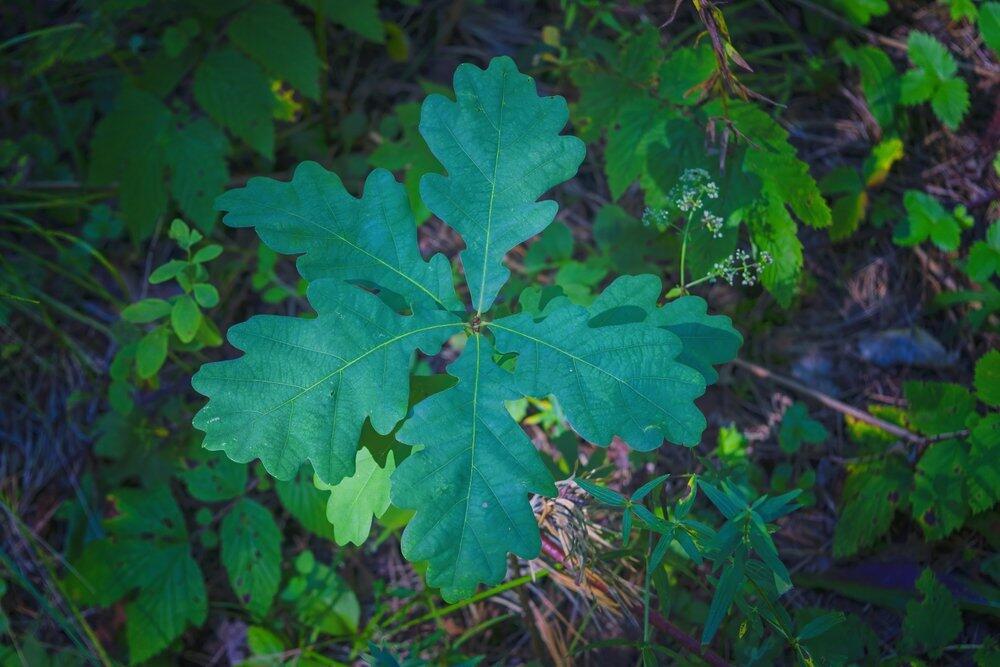
Leaf description Lobed, shiny dark green, lyre shaped
Flower form Yellow catkins that hang from branches
Wildlife value Attracts birds
Wildlife benefits Acorns feed birds and small mammals; host plant for many butterflies; provides nesting and cavity habitat for birds including owls and woodpeckers
Native range noted Southern United States
Best landscape uses Focal point, accent tree, woodland garden, shade garden, native garden, rain garden

Care Instructions

Plant in full sun for the strongest growth and best canopy development, though this tree will also tolerate partial shade. Use moist, well-draining soil with an acidic pH, and water thoroughly until the root system is well established. One honest note: this is not the right tree for a cramped planting bed or narrow side yard, because its mature canopy needs room to spread naturally. If your soil is too alkaline, sulfur or iron sulfate may be used to help lower pH. This is an especially useful tree for damp sites, lower ground, and areas that may experience occasional flooding.

How to Grow and Use Overcup Oak Tree in Your Garden

We recommend Overcup Oak Tree to gardeners and landowners who want a native shade tree with authentic character and long-term value. Its memorable acorns, which appear tucked deep into oversized caps, give it a distinctive look that sets it apart from many other oaks. The species name lyrata refers to its lyre-shaped leaves, adding another detail plant lovers appreciate. In the landscape, it shines as a specimen tree, along a woodland edge, or as part of a larger native planting where a sense of permanence matters.

Choose a site with full sun whenever you can. Partial shade is tolerated, but less light can slow development and reduce the dense canopy many buyers want from shade trees for sale. Moist ground suits this species very well, and it often succeeds where other large trees struggle through wet periods. That makes it a practical option for low areas, rain gardens, and other sites where dependable tree seedlings for planting are needed.

As it matures, Overcup Oak develops a wide canopy and powerful branching that cast welcome shade across the landscape. The structure also creates meaningful cover for wildlife over time. Smaller twigs may be used by nesting birds, while older trees can offer the cavities and shelter that species such as owls and woodpeckers rely on.

What Makes the Overcup Oak Tree Unique

What makes this oak stand out is its combination of native durability, moisture tolerance, and strong wildlife benefits. Its acorns are an important food source for birds and small mammals, and the tree serves as a host plant for many butterflies. From its ridged gray bark to its broad crown and dependable yellow-to-brown fall color, it brings a grounded, established look that only improves with age. We grow it for customers who want more than a temporary planting—they want a tree that will shape the land for years to come.

Choose Overcup Oak Tree if you want a hardworking native oak with shade, habitat value, and lasting landscape presence. We have been growing trees since 1959, and this is one we confidently recommend for practical performance, natural beauty, and long-term satisfaction.

Frequently Asked Questions

Is Overcup Oak a good option among shade trees for sale for a large yard?

Yes. Overcup Oak reaches 35 to 60 feet tall with a spread of 35 to 60 feet, making it a strong choice for larger outdoor spaces where a broad, cooling canopy is a benefit.

What conditions help tree seedlings for planting establish successfully?

This tree grows best in full sun and moist, well-draining acidic soil. Water it thoroughly until established; once rooted in, it can tolerate occasional flooding.

Does Overcup Oak provide wildlife value in the landscape?

Yes. Its acorns feed birds and small mammals, it attracts birds, and it serves as a host plant for many butterflies while mature growth can provide nesting and cavity habitat.

Need Help?

Phone: 931-692-7325

Call Now

Exposure

The Overcup Oak Tree thrives best in full sun to partial shade. It prefers at least 6 hours of direct sunlight daily but can tolerate some shade, particularly in hot climates. Ensure it gets adequate light for robust growth and optimal health.

Height at Maturity

Over 25 Feet

Usage

Shade

Shipped As

Bare-root

Ships

UPS

Planting Zones

5-9

How To Grow

How to Grow and Care for Bare Root Trees

Bare root trees are shipped dormant without soil, making them lightweight, cost-effective, and easy to plant during the cool months of early spring or fall. To begin, soak the roots in a bucket of water for 4–6 hours before planting to rehydrate them. Choose a sunny location with well-draining soil and ample space for the tree’s mature size.

Dig a hole twice as wide as the spread of the roots and deep enough to keep the root flare (where the roots begin to spread from the trunk) at or slightly above ground level. Create a small mound of soil in the center of the hole, spread the roots evenly over it, backfill with native soil, and gently tamp down to remove air pockets. Water thoroughly after planting.

Keep the soil consistently moist (not soggy) during the first growing season, and apply mulch around the base—avoiding direct contact with the trunk—to conserve moisture and suppress weeds. Stake the tree if necessary, and prune only to remove dead or damaged branches. With proper care, your bare root tree will establish quickly and grow strong for years to come.

Care Tips
Overcup Oak trees thrive in well-drained soils and require moderate water, especially during dry periods. They are highly adaptable but benefit from occasional pruning to maintain shape. Fertilize annually in early spring to support healthy growth.
Light Requirements
The Overcup Oak Tree thrives best in full sun to partial shade. It prefers at least 6 hours of direct sunlight daily but can tolerate some shade, particularly in hot climates. Ensure it gets adequate light for robust growth and optimal health.
A sun-dappled dirt path winds through a lush, green forest with ferns and wild plants lining its sides.

Grower-Direct Plants Shipped Fast - Satisfaction Guaranteed