
Oak Trees For Sale: Native Species Bred for Tennessee and Southeast Landscapes
All of the TN Nursery oaks are grown from local Middle Tennessee seed sources‚ for the humidity‚ heavy clay‚ and temperature extremes that do in big-box oaks in a couple of years․ Red Oak‚ Pin Oak‚ White Oak‚ Willow Oak‚ Shumard Oak‚ Overcup Oak․ The six for sale are said to be hardy in USDA Hardiness Zones 6 and 7‚ and some cultivars are hardy in Zones 5 and 9 for southern gardeners․
Yes‚ if you have the space and the time‚ oaks are the trees of the future‚ living for between 100 and 300 years․ Once established they'll grow 1-3 feet a year․ In a century or two they will provide the shade and structure that no fast-growing ornamental can match․ They're the best trees you can plant for local wildlife‚ and one mature oak can host the hundreds of species of moths and butterflies which are the food of songbirds․
What Oak Should I Plant?
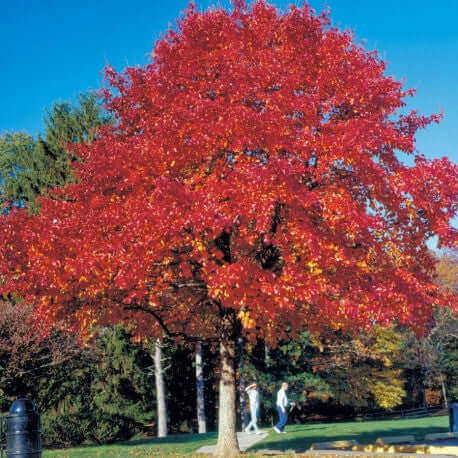
Probably our most popular seller‚ Red Oak is a fast growing oak‚ growing as much as 2 feet a year when conditions are right․ Prized for its 60- to 75-foot height and broad rounded crown‚ as well as its clay and loamy soil tolerance and full sun․ It has explosive red and russet fall color to boot․ It does need 6 acres․ Kidding! It'll eventually be 40 to 50 feet wide․
Pin Oak has a faster growth rate‚ a more formal pyramidal crown when younger‚ and a better tolerance to wet soils than most other oak species․ These characteristics make it well suited to plantings in areas where soil drainage is poor‚ such as very low ground‚ standing water after very heavy rainfall‚ or sites with a high water table․ That said‚ Pin Oak may be liable to iron chlorosis in soils of higher pH‚ and should be avoided if a soil test shows the pH to be greater than 7․0․
Slow growing and generational․ Less than 1 ft/30 cm per decade‚ slower than Red Oak or Pin Oak․ Long-lived (over 200 years) and acorns plus wood are among the top for native tree wildlife value․ If you're not planting it for yourself but for your grandchildren‚ this is it․
The tree's narrow‚ willow-like foliage‚ its growth rate of more than 2 ft (61 cm) per year‚ its symmetrical‚ columnar form‚ and its ability to tolerate more soil compaction than most other oaks have made it a desirable street or shade tree in cramped quarters․
The Shumard Oak displays one of the best Southern oak autumn colors‚ scarlet to orange-red․ Once established‚ usually after two or three years‚ it is tolerant of heat‚ drought and soil compaction․ It is more tolerant than the Red Oak․
Overcup Oak prefers low‚ flat‚ poorly-drained sites‚ and is definitely swamp-tolerant‚ but when it stands in water for long periods it does just as well on one of our more upland soil types‚ so don't strike it off your list just because you're not on a floodplain․
What Competitors Don't Tell You About Planting and Timing
Most oak sellers will sell you a tree without any help‚ but there are a few things to consider․
Bare-root and balled-and-burlapped oaks can be planted in winter and early spring while dormant‚ giving their roots a whole season in which to get established before summer heat․ Most oaks are sold in containers‚ which can be planted whenever the ground is not frozen or waterlogged‚ but fall plantings are best․
Planting: The planting hole should be 2-3 times the width of the root ball‚ not deeper‚ because oaks suffer from root rot if planted deep‚ so the tree should be planted with the root flare (where trunk meets roots) slightly above the ground level of the site․
Irrigation: Once or twice weekly‚ give each young tree 15-20 gallons (56-76 l) during first 2-3 growing seasons․ Established oaks are drought-tolerant․ They may need watering in periods of dry weather longer than three weeks․
Mulch: Apply mulch (not volcano mulch) in a ring 3 inches thick around the tree to conserve moisture and block competing grass roots․ This is more im


