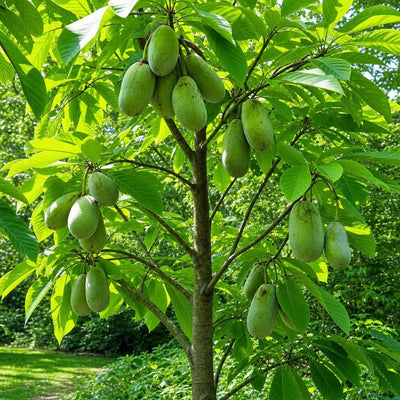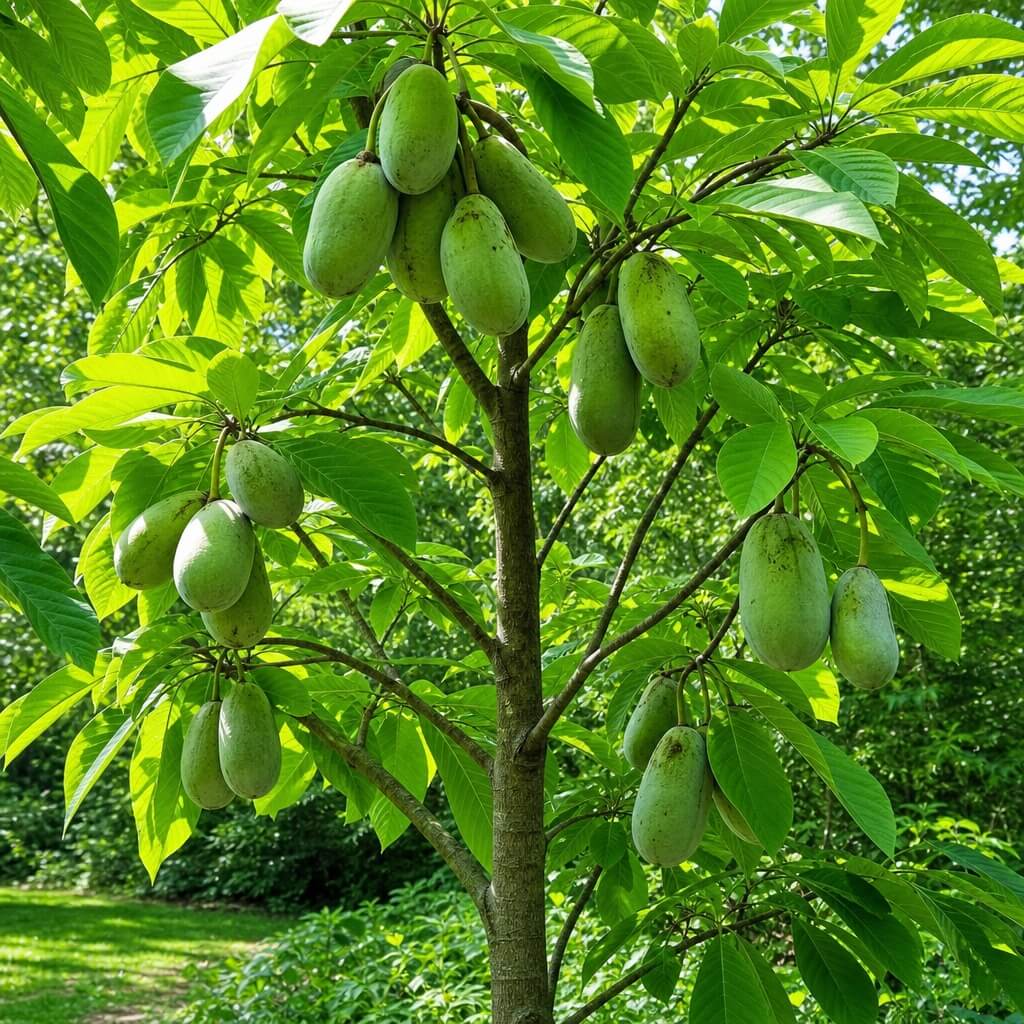
Pawpaw trees (Asimina triloba) grow wild and in home orchards across Tennessee, Ohio, Missouri, Indiana, Virginia and Georgia. All six states fall largely within the pawpaw's USDA zones 5–8. Plant at least two pawpaw trees within 30 feet of each other, space them 8–15 feet apart, and expect fruit from August to October.
Late fall is a great time to plan a pawpaw patch, because bare-root pawpaw trees are planted while dormant, from November through April. University extension services in each of these states study and celebrate the pawpaw; the University of Tennessee's guide, Pawpaws for Tennessee Gardens and Landscapes, is a good place to start. When you are ready, browse our pawpaw trees for sale, grown in Altamont, Tennessee. For the full planting walkthrough, see our pillar guide, How to Grow Pawpaw Trees.
Where do pawpaw trees grow in each state?
Pawpaw trees grow naturally in rich, moist bottomlands, along streams and beneath larger hardwoods across this six-state region.
| State | Where pawpaw grows | Local claim to fame |
|---|---|---|
| Tennessee | River bottoms, stream banks and home gardens | Called the "Appalachian banana" |
| Ohio | Found in 80 of Ohio's 88 counties | Official state native fruit (2009) |
| Missouri | Bottomlands, ravines and bluff bases | Official state fruit tree (2019) |
| Indiana | Rivers, streams and woodlots | Nicknamed the "Indiana banana" |
| Virginia | Creeks and moist, lower mountain slopes | State Arboretum Tree of the Year (2021) |
| Georgia | Home landscapes across much of the state | Much of Georgia lies in zone 8 |
For a closer look at soil and sun, read Where Do Pawpaw Trees Grow Best?
Do pawpaw trees grow in Tennessee?
Yes. Pawpaw trees are native to Tennessee, where the whole state sits inside the pawpaw's zone 5–8 range. UT Extension calls the pawpaw increasingly popular in Tennessee gardens and notes that Tennessee pawpaws are usually harvested from September to October.
The pawpaw also hosts the zebra swallowtail, which UT Gardens identifies as Tennessee's state butterfly.
Is the pawpaw native to Ohio?
Yes. Pawpaw is Ohio's official state native fruit, named in 2009. An Ohio State University Extension fact sheet reports that a survey found pawpaw trees growing in 80 of Ohio's 88 counties.
Southern Ohio celebrates with an annual pawpaw festival each fall.
Where do pawpaw trees grow in Missouri?
Pawpaw trees grow across nearly all of Missouri, according to the Missouri Department of Conservation, and University of Missouri Extension notes the pawpaw is adapted to zones 5b to 8. Missouri named the pawpaw its official state fruit tree in 2019, after St. Louis students championed it.
Missouri pawpaws favor rich bottomland soil along streams, in ravines and at the base of wooded bluffs. Fruit typically ripens in September and October.
Do pawpaw trees grow in Indiana?
Yes. Pawpaw trees grow wild over much of Indiana, especially along rivers, streams and in woodlots, according to Purdue Extension. Hoosiers know the fruit as the "Indiana banana."
Indiana sits in the heart of the pawpaw's range, the Ohio Valley. Plant Indiana pawpaw trees in moist, well-drained, slightly acidic soil with room for a second tree nearby.
Is the pawpaw common in Virginia?
Yes. Pawpaw is a common native tree in Virginia, found near creeks and on moist, lower slopes of mountain drainages, according to Virginia Cooperative Extension. The State Arboretum of Virginia named the pawpaw its Tree of the Year in 2021.
Nearly all of Virginia falls within the pawpaw's zone 5–8 range.
Can you grow pawpaw trees in Georgia?
Yes. UGA Extension notes that Georgia's climate suits the pawpaw well, with much of the state in zone 8. Young pawpaw trees in Georgia appreciate partial shade, then move into more sun as they mature.
UGA Extension also notes that compounds in pawpaw bark naturally deter deer, so Georgia gardeners get a deer-resistant native fruit tree.
What should you plant to start a pawpaw patch?
Start with two or more genetically different pawpaw trees, then add native fruiting partners. Good choices:
- Pawpaw tree: bare-root trees in 1–5 ft sizes, sold Buy 1 Get 1 Free, Buy 3 Get 2 Free, or in 25-tree packs.
- Pawpaw tree seedlings: packs of 100 or 500 for groves, wildlife plantings and reforestation.
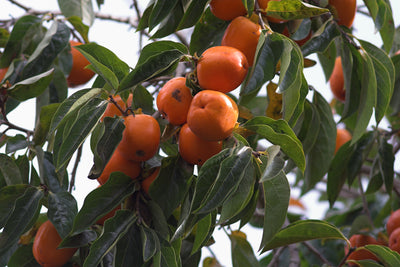
- American persimmon tree: ripens sweet fall fruit right after the pawpaw harvest.
How do you plant pawpaw trees in these states?
Plant bare-root pawpaw trees while dormant, November through April, in all six states. Follow these steps:
- Soak the roots in water for 30 minutes to an hour.
- Dig a hole twice as wide as the roots and just as deep.
- Set the root collar at soil level, backfill and water deeply.
- Mulch 2–3 inches deep, keeping mulch 3 inches from the trunk.
- Space trees 8–15 feet apart, with at least two within 30 feet for pollination.
Mature pawpaw trees reach 15–30 feet tall with a 15–20 foot spread, and their maroon flowers open in April and May. Bare-root nursery trees usually fruit 4–7 years after planting, and seedlings in 5–8 years. Learn why two trees matter in Do You Need Two Pawpaw Trees for Fruit? and what to expect in How Long Until a Pawpaw Tree Bears Fruit?
What grows well with pawpaw trees?
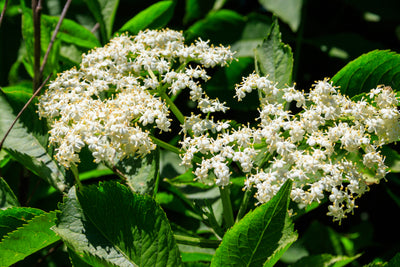
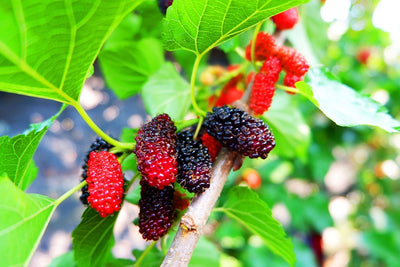
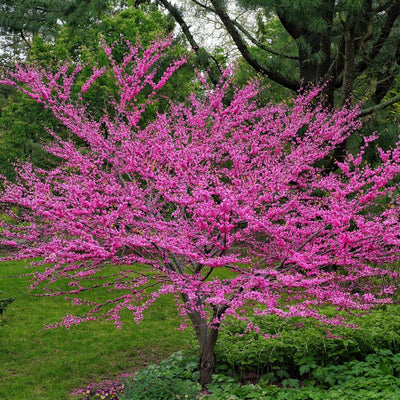
Native fruit trees make the best pawpaw companions in every state on this list. An elderberry adds summer berries at the edge of a pawpaw grove, and a mulberry tree fruits in early summer. An eastern redbud blooms pink beside the maroon pawpaw flowers in April. See more options in Native Fruit and Nut Trees by USDA Hardiness Zone.
Pawpaw Trees by State FAQ
Do pawpaw trees grow in Tennessee?
Yes. Pawpaw trees are native to Tennessee, and Tennessee pawpaws are usually harvested from September to October.
Is pawpaw native to Ohio?
Yes. Pawpaw is native to Ohio and was named the official state native fruit of Ohio in 2009.
Is pawpaw the Missouri state fruit tree?
Yes. Missouri named the pawpaw its official state fruit tree in 2019.
Why is pawpaw called the Indiana banana?
Pawpaw trees grow wild across much of Indiana, and the soft, sweet fruit tastes like a blend of banana and mango, so Hoosiers nicknamed it the Indiana banana.
Can you grow pawpaw trees in Georgia?
Yes. Pawpaw trees grow well in Georgia, where much of the state falls in USDA zone 8.
When should you plant pawpaw trees?
Plant bare-root pawpaw trees while they are dormant, from November through April, spacing them 8 to 15 feet apart.
Keep reading
- Pawpaw Fruit: What It Is, What It Tastes Like and How to Get It
- When Are Pawpaws Ripe? Signs, Season and How to Pick Them
- Pawpaw Tree Identification: Leaves, Flowers, Bark and Fruit
- How to Grow Pawpaw Trees: Planting, Care and Fruit
From our nursery
TN Nursery is a family-owned, third-generation nursery in Altamont, Tennessee, growing plants since 1959 on 170 acres. Pawpaw is our #1 selling tree: we grow about 2 million pawpaw trees a year from about 2 tons of seed, and we have supplied plants to landmarks like the Washington Monument and Arlington National Cemetery. Wherever you garden, from Ohio to Georgia, you can buy pawpaw trees straight from our fields.