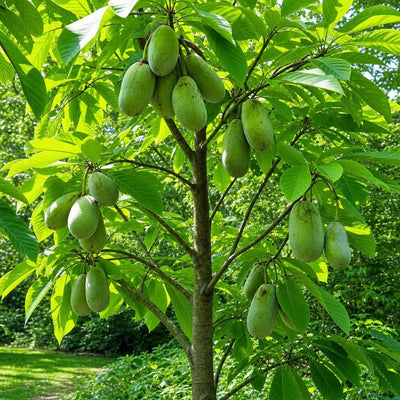
Pawpaws are ripe from August to October, and in Tennessee and Kentucky most pawpaw fruit ripens from late August into early October. A ripe pawpaw gives slightly when pressed, like a ripe peach, smells sweet and fruity, and lets go of the branch with a gentle tug or a light upward push.
Pawpaw (Asimina triloba) fruit does not ripen all at once. University of Illinois Extension reports that pawpaws in central Illinois start ripening in early September and can take a few more weeks for every fruit on every tree to finish. Here in Tennessee, mid-November opens bare-root planting season, which runs from November through April, so now is the time to plant pawpaw trees for sale for harvests to come. For the basics on the fruit itself, start with our pawpaw fruit guide.
When are pawpaws ripe?
Pawpaws ripen from August to October across the pawpaw tree's native range in the eastern United States, USDA zones 5 to 8.
In Tennessee and Kentucky, the first ripe pawpaws usually appear in late August, and the harvest runs into early October. Farther north, as in central Illinois, pawpaw ripening tends to begin in early September. A single pawpaw tree often ripens its crop over two to four weeks, and a grove of several trees can stretch the pawpaw season past a month.
How do you know when a pawpaw is ripe?
A pawpaw is ripe when it feels soft under gentle pressure, gives off a strong fruity aroma and releases from the branch easily. Feel and smell are the most reliable signs, because pawpaw skin color changes only a little.
- Feel: a ripe pawpaw yields to light pressure, the way a ripe peach or avocado does. Unripe pawpaws are firm.
- Aroma: ripe pawpaw fruit smells sweet and tropical, with notes of banana and mango.
- Easy release: cup a cluster of pawpaws in your hand and push up gently. Ripe fruit drops into your palm.
- Color: many pawpaws shift from deep green to pale or yellowish green. Fully yellow pawpaws are often past their peak.
What are the stages of pawpaw ripeness?
Pawpaw fruit moves from firm and green to soft and fragrant in a matter of days.
| Pawpaw stage | Feel | Aroma | What to do |
|---|---|---|---|
| Unripe | Firm, no give | Little or none | Leave it on the tree |
| Nearly ripe | Slight give | Light, fruity | Pick if needed and finish ripening on the counter |
| Ripe | Soft like a ripe peach; releases with a light push | Strong and sweet | Pick and enjoy fresh, or refrigerate |
| Very ripe | Very soft; skin darkening | Rich and heavy | Scoop the pulp right away and freeze it |
Will pawpaws ripen after picking?
Yes. Pawpaws picked at the nearly ripe stage, with a slight give, finish ripening on the kitchen counter in a few days. Pawpaws picked fully hard rarely develop their full sweetness, so let each pawpaw reach that first soft give on the tree.
Once picked, a ripe pawpaw keeps only a few days at room temperature. University of Illinois Extension notes that refrigeration slows ripening and can hold good-quality pawpaws for up to 2 weeks. Our how to eat a pawpaw guide covers cutting, storing and freezing the fruit.
How do you pick pawpaws?
Pick pawpaws by hand, checking the trees every two to three days during the August-to-October season.
- Check often. Visit your pawpaw trees every few days once the first fruit softens, so birds, raccoons and squirrels do not beat you to the harvest.
- Test the cluster. Cup a cluster from below and push up lightly; take only the pawpaws that release.
- Twist single fruit. For a lone pawpaw, give a gentle twist and tug. If it clings, leave it a few more days.
- Gather fallen fruit daily. Pawpaws on the ground bruise about as easily as peaches, so use them soon.
How long until your own pawpaw trees give ripe fruit?
Bare-root pawpaw trees 1 to 5 feet tall usually bear fruit 4 to 7 years after planting, and pawpaw seedlings in 5 to 8 years. Plant at least two pawpaw trees within 30 feet of each other for cross-pollination, spaced 8 to 15 feet apart.
Pawpaw trees grow 15 to 30 feet tall with a 15- to 20-foot spread and open maroon flowers in April and May. Those flowers become clusters of fruit 3 to 6 inches long that ripen from August to October. Our how to grow pawpaw trees guide covers sun, watering and pruning, and our soil preparation guide for pawpaw trees helps you get the ground ready.
Pawpaw products to start with
- Pawpaw Tree: bare-root trees sold Buy 1 Get 1 Free, which gives you the two trees needed for fruit, plus Buy 3 Get 2 Free and 25-tree packs.
- Pawpaw Tree Seedlings: packs of 100 or 500 for groves, orchard rows and wildlife plantings.
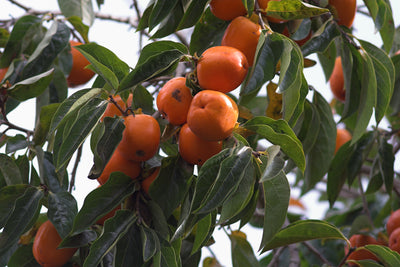
- Persimmon Tree: a native fruit tree that ripens right after the pawpaw harvest.
What grows well with pawpaw trees?
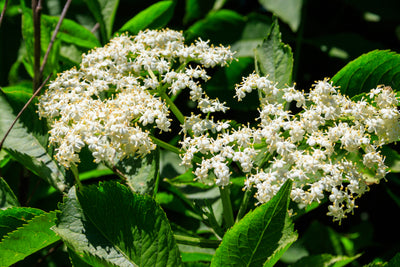
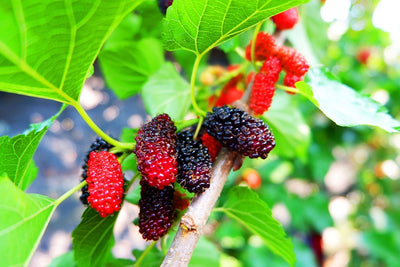
Native fruit plants that ripen at other times grow well beside pawpaw trees and keep the harvest going all season. An elderberry bears summer berries at the edge of a pawpaw grove, a mulberry tree fruits in early summer, and an American persimmon sweetens in fall as the last pawpaws finish. Spicebush is a native shrub that shares the pawpaw's love of moist, rich soil.
When are pawpaws ripe? FAQ
What month are pawpaws ripe?
Pawpaws are ripe from August to October. Most pawpaws in Tennessee and Kentucky ripen from late August into early October.
Do pawpaws ripen off the tree?
Yes. Pawpaws picked with a slight give finish ripening on the counter in a few days, while pawpaws picked fully hard rarely reach full sweetness.
What color is a ripe pawpaw?
A ripe pawpaw is usually pale green to yellowish green and may show dark flecks. Softness and a sweet aroma are better signs of a ripe pawpaw than color.
Why are pawpaws falling off my tree?
Ripe pawpaws release easily from the branch, so pawpaws on the ground usually mean the harvest has started. Gather fallen pawpaws daily and use them soon, since they bruise easily.
How long do ripe pawpaws last?
Ripe pawpaws last a few days at room temperature. University of Illinois Extension reports that refrigerated pawpaws stay good for up to 2 weeks.
Keep reading
- Pawpaw Fruit: What It Is and How to Get It
- How to Eat a Pawpaw: Ripeness, Storage and Easy Recipes
- How to Grow Pawpaw Trees: Planting, Care and Fruit
- Native Fruit Nutrition Comparison
- The Pawpaw Renaissance
From our nursery
TN Nursery is a family-owned, third-generation nursery in Altamont, Tennessee, growing plants on 170 acres since 1959, more than 65 years. Pawpaw is our #1 selling tree: we grow about 2 million pawpaw trees a year from about 2 tons of seed, dig them while dormant and ship them bare root. We have supplied plants to major U.S. landmarks like the Washington Monument and Arlington National Cemetery. Plant this winter, and when you are ready to watch for your own ripe fruit, buy pawpaw trees straight from our fields.