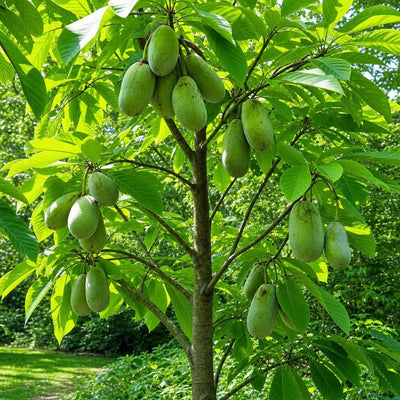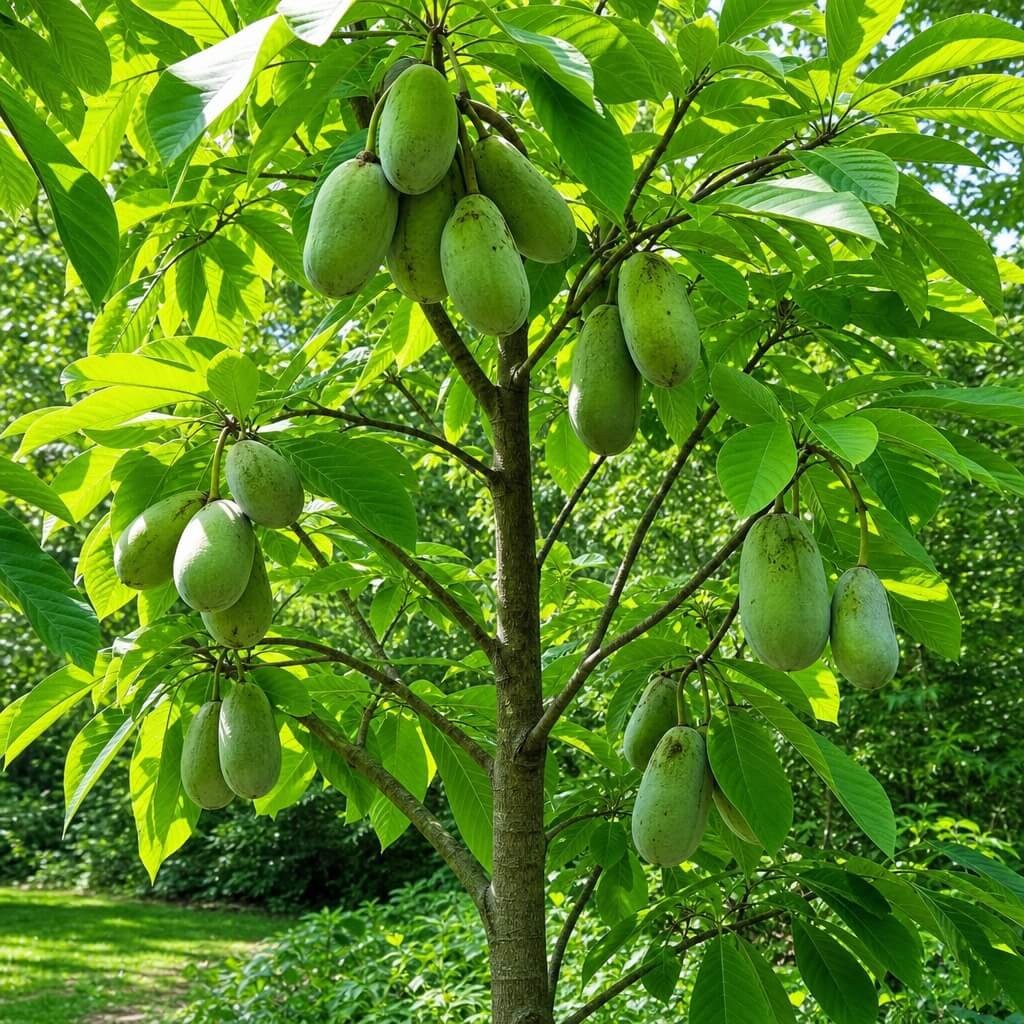
Pawpaw trees (Asimina triloba) grow best in USDA hardiness zones 5 through 8, in deep, moist, well-drained, slightly acidic soil. In the wild, pawpaw trees grow along streams and river bottoms beneath taller hardwoods. In a home yard, pawpaw trees fruit best in full sun once established, with light shade while young.
Late November is a good time to plan a pawpaw planting in Tennessee. The trees are dormant now, and bare-root pawpaw trees can go in the ground from November through April. Pawpaw is native to Tennessee, and the whole state sits inside the pawpaw's zone 5–8 range. Kentucky State University, which runs the world's largest pawpaw breeding program, recommends deep, well-drained, slightly acidic soil with plenty of moisture (see the Kentucky State University pawpaw FAQ). If your site checks those boxes, our pawpaw trees for sale are ready to plant this season.
What USDA zones do pawpaw trees grow in?
Pawpaw trees grow in USDA hardiness zones 5 through 8. The native range of the pawpaw tree runs from the Great Lakes south to the Gulf states and as far west as Nebraska, covering most of the eastern United States.
Pawpaw trees need a real winter to bloom well. Kentucky State University estimates that pawpaw needs 400 to 1,000 chilling hours, with northern-sourced trees needing more and southern-sourced trees needing fewer. To compare other fruit trees, see our guide to native fruit and nut trees by USDA hardiness zone.
What soil do pawpaw trees like best?
Pawpaw trees like deep, fertile, moist soil that drains well, with a slightly acidic pH of about 5.0 to 7.0.
Good drainage matters as much as moisture. Where soil drains slowly, University of Missouri Extension suggests planting pawpaw on raised berms about 4 feet wide and 18 inches high (see the MU Extension pawpaw agroforestry guide). Our guide to soil preparation for pawpaw trees covers testing and amending your soil step by step.
Do pawpaw trees need full sun or shade?
Pawpaw trees grow in anything from full sun to fairly heavy shade, but a mature pawpaw tree in full sun gives the biggest fruit crop. Light to moderate shade is ideal for young pawpaw trees during their first one to two summers.
Pawpaw site checklist at a glance
| Site factor | Best for pawpaw trees |
|---|---|
| USDA zone | 5–8 |
| Sun | Full sun for mature trees; light shade for the first 1–2 summers |
| Soil | Deep, fertile, moist and well drained |
| Soil pH | Slightly acidic, about 5.0–7.0 |
| Mature size | 15–30 ft tall, 15–20 ft spread |
| Spacing | 8–15 ft apart; at least 2 trees within 30 ft |
| Planting time | Dormant season, November–April |
Where should you plant a pawpaw tree in your yard?
Plant a pawpaw tree where the soil stays moist but drains after rain, with room for a 15- to 20-foot spread and a second pawpaw tree within 30 feet. A woodland edge, a gentle slope above a creek or the border of a rain garden all suit pawpaw trees.
A slightly raised spot also lets cold air drain away on spring nights, which protects the maroon pawpaw flowers that open in April and May. Because pawpaw flowers need pollen from a genetically different tree, always plant at least two. Our post Do You Need Two Pawpaw Trees for Fruit? explains why.
Pawpaw products to start with
- Pawpaw Tree: bare-root trees in 1–5 ft sizes, offered Buy 1 Get 1 Free, Buy 3 Get 2 Free and in 25-tree packs.
- Pawpaw Tree Seedlings: packs of 100 or 500 for groves, wildlife plantings and streamside restoration.
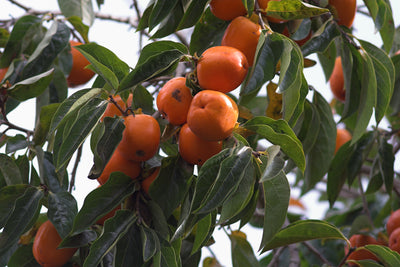
- Persimmon Tree: a native fruit tree that ripens sweet fruit in fall, right after the pawpaw harvest.
How do you plant and care for a pawpaw tree?
Plant a bare-root pawpaw tree while it is dormant, from November through April, in a hole twice as wide as the roots and just as deep. Space pawpaw trees 8 to 15 feet apart, water deeply and mulch.
- Soak the roots in water for 30 minutes to an hour.
- Dig a hole twice as wide as the root spread and as deep as the roots.
- Set the root collar level with the soil surface and backfill with native soil.
- Water deeply, then add 2 to 3 inches of mulch, kept 3 inches from the trunk.
- Water during dry spells for the first two summers so the soil stays evenly moist.
Bare-root nursery pawpaw trees usually fruit 4 to 7 years after planting, and seedlings 5 to 8 years. See how long until a pawpaw tree bears fruit and our full guide, How to Grow Pawpaw Trees, for year-by-year care.
What grows well with pawpaw trees?
Pawpaw trees grow well with other native plants of moist eastern woodlands. In the wild, pawpaw grows as an understory tree beneath taller hardwoods near streams, so a pawpaw grove pairs naturally with bottomland trees and woodland ground covers.
- Sycamore tree and river birch tree: streamside shade trees for a bottomland planting. Set them far enough away that maturing pawpaws still get sun.
- Tulip tree: a tall native hardwood for a woodland-edge grove.
- Mayapple: a native ground cover for the shady floor beneath pawpaw trees.
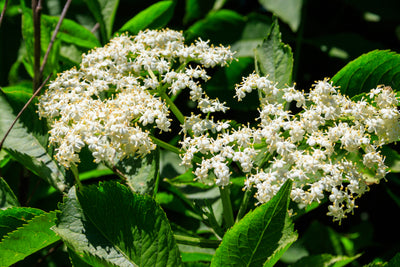
- Elderberry: summer berries along the sunny edge of the grove.
Pawpaw Growing FAQ
Can pawpaw trees grow in Tennessee?
Yes. Pawpaw trees are native to Tennessee, and the whole state falls within the pawpaw tree's USDA zone 5–8 range.
Can pawpaw trees grow in clay soil?
Pawpaw trees can grow in clay soil when water drains away after rain. On slow-draining clay, plant pawpaw trees on a raised berm about 18 inches high.
Will a pawpaw tree grow in full shade?
A pawpaw tree will grow in fairly heavy shade, but it sets very few fruits there. For a good harvest, give mature pawpaw trees full sun.
How far apart should pawpaw trees be planted?
Space pawpaw trees 8 to 15 feet apart, and keep at least two pawpaw trees within 30 feet of each other for cross-pollination.
Do pawpaw trees grow near water?
Yes. Wild pawpaw trees often grow along streams and rivers in moist bottomland soil. In a yard, choose moist ground that still drains after a rain.
When is the best time to plant a pawpaw tree?
The best time to plant a bare-root pawpaw tree is the dormant season, from November through April.
Keep reading
- Pawpaw Fruit: What It Is, What It Tastes Like and How to Get It
- How to Grow Pawpaw Trees: Planting, Care and Fruit
- Where to Buy Pawpaw Fruit, or Grow Your Own
- How Long Until a Pawpaw Tree Bears Fruit?
From our nursery
TN Nursery is a family-owned, third-generation nursery in Altamont, Tennessee, and we have grown plants since 1959, more than 65 years. On our 170 acres we grow about 2 million pawpaw trees a year from about 2 tons of seed, and pawpaw is our #1 selling tree. We have supplied plants to major U.S. landmarks like the Washington Monument and Arlington National Cemetery. When you buy pawpaw trees from us, they are dug while dormant and shipped bare root, ready for the best spot in your yard.