Perennial Plants
Shop perennials for sale at TN Nursery. Buy perennial plants and flowers online for lasting garden color, reliable growth, and easy seasonal care.


Showing 9 of 110 perennial plants
Show more perennial plantsWhat customers say about our perennial plants
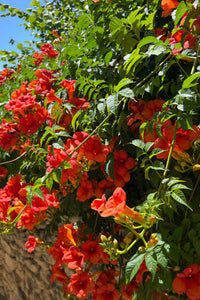 Trumpet Vine★★★★★4.79 out of 5 · 135 reviews
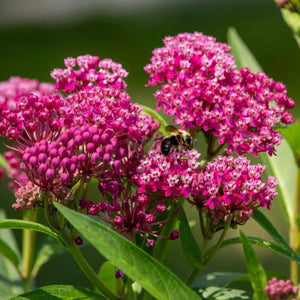
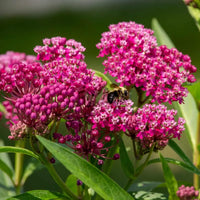 Milkweed Plant★★★★★4.84 out of 5 · 132 reviews
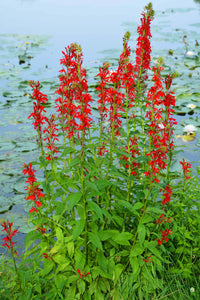 Cardinal Flower★★★★★4.81 out of 5 · 85 reviews
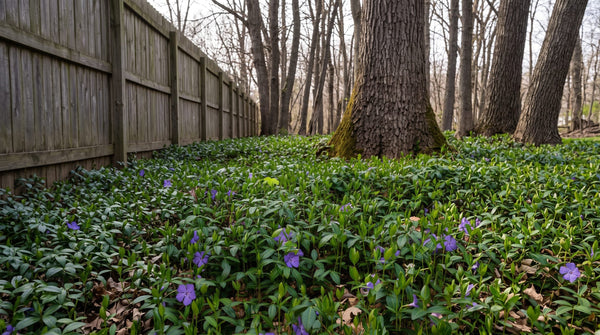
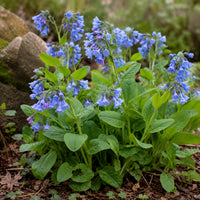 Virginia Bluebell★★★★★4.79 out of 5 · 82 reviews
Shop perennial plants by type
 All Perennials
 Pollinator Plants
 Ground Cover
 Shade Perennials
 Deer Resistant Perennials
Perennials are plants that come back every year from the same roots, so you plant them once and enjoy them for many seasons. We grow over 100 native perennial plants and flowers at our Tennessee nursery, family owned since 1959, and ship them bare root nationwide. Shop sun-loving coneflowers and black-eyed Susans, woodland wildflowers for shade, pollinator plants for monarchs and hummingbirds, and money-saving perennial packages.
What are perennial plants?
A perennial is any plant that lives three years or more. Most garden perennials grow and bloom through spring and summer, die back to the ground in fall, then rest underground through winter and return in spring. Annuals, by contrast, grow, bloom and die in a single season and must be replanted every year. That makes perennials the backbone of a low-maintenance garden: the plants get bigger and bloom more heavily each year, and many can be divided to fill new beds for free.
Popular perennials we grow
Use this chart to compare our most popular perennial flowers by height, hardiness zone, light, bloom time and color. Click any plant to see it in the shop.
| Perennial | Height | Zones | Light | Blooms | Color |
|---|---|---|---|---|---|
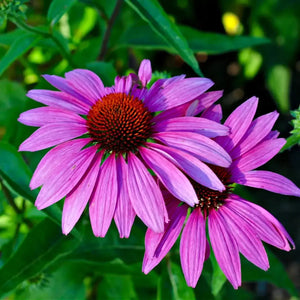
| Purple Coneflower | 2–4 ft | 3–9 | Sun to part shade | June–August | Purple-pink |
| Black Eyed Susan | 1–3 ft | 3–9 | Full sun | June–September | Golden yellow |
| Brown Eyed Susan | 2–5 ft | 4–8 | Sun to part shade | July–October | Yellow |
| Butterfly Weed | 1–2.5 ft | 3–9 | Full sun | June–August | Orange |
| Milkweed | 3–5 ft | 3–9 | Full sun | June–August | Pink |
| Blazing Star Liatris | 2–4 ft | 3–9 | Full sun | July–August | Purple |
| Blanket Flower | 1–2 ft | 3–10 | Full sun | June–September | Red and yellow |
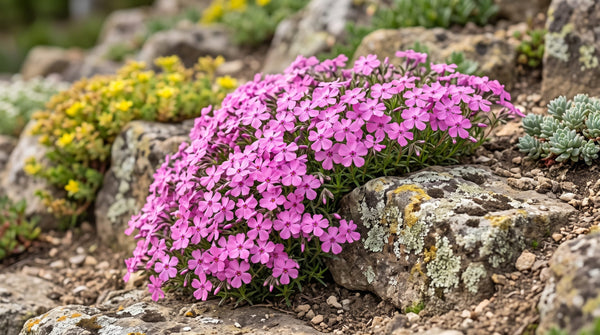
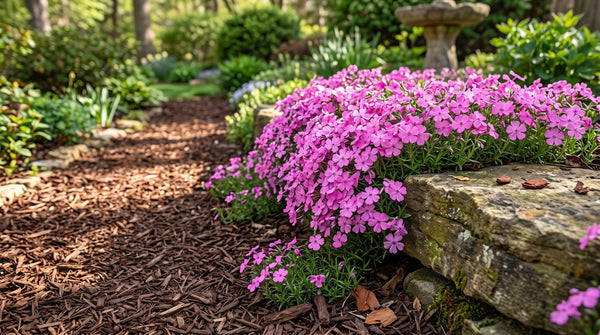
| Creeping Phlox | 4–6 in | 3–9 | Sun to part shade | April–May | Pink, purple, white |
| Siberian Iris | 2–3 ft | 3–9 | Sun to part shade | May–June | Blue-purple |
| Cardinal Flower | 2–4 ft | 3–9 | Sun to part shade, moist soil | July–September | Scarlet red |
| Great Blue Lobelia | 2–3 ft | 4–9 | Part shade to sun, moist soil | August–September | Blue |
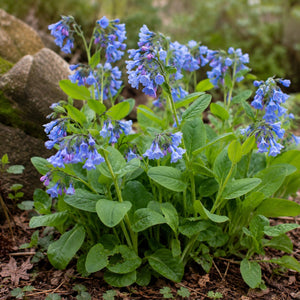
| Virginia Bluebell | 1–2 ft | 3–8 | Part to full shade | March–May | Sky blue |
| Lyreleaf Sage | 1–2 ft | 5–9 | Sun to part shade | April–May | Lavender-blue |
| Goldenrod | 2–5 ft | 3–9 | Full sun | August–October | Yellow |
How to choose perennials for your garden
Start with three questions: how much sun the spot gets, what your hardiness zone is, and what the soil is like. Then pick plants that match, instead of trying to change the site to suit the plant. Our perennials are sorted into collections to make that easy.
Sun perennials
A spot with six or more hours of direct sun suits classic meadow flowers such as purple coneflower , black-eyed Susan , blazing star and blanket flower . Most are drought tolerant once established. Shop all sun perennials .
Shade perennials
Under trees and on the north side of a house, native woodland wildflowers shine. Virginia bluebells , trilliums, bloodroot and Solomon's seal bloom in spring before the tree canopy fills in. Shop all shade perennials .
Long-blooming perennials
For color all summer, combine plants with overlapping bloom times: creeping phlox in spring, coneflower and butterfly weed in early summer, black-eyed Susan and blanket flower into fall. Shop all long-blooming perennials .
Pollinator perennials
Butterfly weed and milkweed are the host plants monarch caterpillars need. Cardinal flower is a hummingbird favorite, and coneflower and blazing star draw bees and butterflies all summer. Shop all pollinator plants .
Deer-resistant perennials
If deer visit your yard, start with plants they tend to skip. Shop all deer-resistant perennials .
Wet spots
Cardinal flower , great blue lobelia and Siberian iris handle moist soil and low spots where other perennials rot. For standing water, see our wetland plants .
Perennial packages
Packages are the easiest way to fill a new bed and save on each plant. Try the 10 Perennial Plants Package , 15 Old Fashioned Perennial Favorites or 15 Long Blooming Wildflowers .
How to plant bare-root perennials
Our perennials ship bare root, meaning dormant roots without soil, which keeps them healthy in transit and lets them settle in fast. Plant them as soon as possible after they arrive. Dig a hole wide enough to spread the roots out, set the crown (where roots meet stem) at soil level, refill with soil and water deeply. If you can't plant right away, keep the roots moist and cool for a few days. Don't worry if nothing appears for several weeks; dormant perennials put down roots first and send up leaves when the soil warms.
Perennial questions
What is the difference between annuals and perennials?
Annuals complete their whole life cycle in one growing season, then die, so they must be replanted every year. Perennials live for three years or more, coming back each spring from the same roots. Annuals often bloom longer in a single season, while perennials cost less over time and grow fuller every year.
Do perennials come back every year?
Yes. Hardy perennials die back to the ground in fall and regrow from their roots each spring, as long as they are planted in their hardiness zone. Choose plants rated for your zone, and give new plantings a layer of mulch their first winter.
When is the best time to plant perennials?
Spring and fall are best. Fall planting, at least four to six weeks before the ground freezes, gives roots time to establish in cool soil so plants bloom well the next year. Spring planting, once the ground can be worked, is ideal in colder zones. Bare-root perennials do best when planted while dormant.
What perennials bloom all summer?
Black-eyed Susan, blanket flower, purple coneflower and butterfly weed have some of the longest bloom seasons, often flowering from June into September. For color from spring to frost, mix early bloomers like creeping phlox with late bloomers like goldenrod and great blue lobelia.
How long do perennials live?
It depends on the plant. Some, like black-eyed Susan, are short-lived but reseed themselves. Others, including Siberian iris, trilliums and Solomon's seal, can live for decades. Most garden perennials benefit from being divided every three to five years when the center of the clump starts to thin.
Should I cut back perennials in the fall?
You can, but you don't have to. Leaving seed heads on coneflower, black-eyed Susan and blazing star feeds birds through winter, and hollow stems shelter native bees. Cut the old stems back to a few inches in early spring before new growth starts.
Do perennials need fertilizer?
Native perennials rarely need it. Too much fertilizer can make plants floppy and reduce blooms. A thin layer of compost or shredded leaves each spring is usually all they need.
Are native perennials better?
Native perennials are adapted to local soil, rainfall and winters, so they typically need less water and care once established. They also support native bees, butterflies and birds far better than many imported plants. Every perennial we grow at TN Nursery is a hardy native or a proven garden favorite.
Buying perennial plants online: what to know
Start with your zone. Every perennial plant on this page shows the zones it thrives in, so one marked for your zone is ready for your winters and summers.
Plan for the grown-up perennial plant
Check the mature height on each card before you choose a spot, so every perennial plant has room to stretch as it grows.
Bare root, ready to plant
Bare root plants arrive freshly dug and packed ready for planting. Soak the roots, set the perennial plant at the depth it grew, and water it in well. Most thrive in well-drained soil and a few inches of mulch.
Ask a grower
Want a second opinion? Call our growers at 931-692-4252, or read the warranty page to see how our live-arrival guarantee works.
Perennial Plants for sale: questions
Do you ship perennial plants outside Tennessee?
Yes. We grow in Tennessee and ship nationwide.
How do the perennial plants arrive?
Each product page says how it ships. Bare root plants arrive freshly dug and packed ready for planting.
Is there a guarantee?
Every order comes with our live-arrival guarantee. See the warranty page for the details.
How do I pick a perennial plant for my zone?
Set your zone at the top of the page and turn on the zone switch. Every card shows the zones the perennial plant thrives in.
What are perennials?
How do I care for perennials?
When is the best time to plant perennials?
Not sure which perennial plant is right?
Talk to a grower at our Tennessee nursery. Tell us your zone and your yard, and we will help you choose a perennial plant that thrives there.
Why buy perennial plants from TN Nursery
Grown since 1959
A family-owned Tennessee nursery, growing plants for generations of gardeners.
Freshly dug, bare root
Dug and packed ready for planting, so roots settle in fast.
Shipped nationwide
We grow in Tennessee and ship nationwide.
Live-arrival guarantee
Every order comes with our live-arrival guarantee.