
The short answer
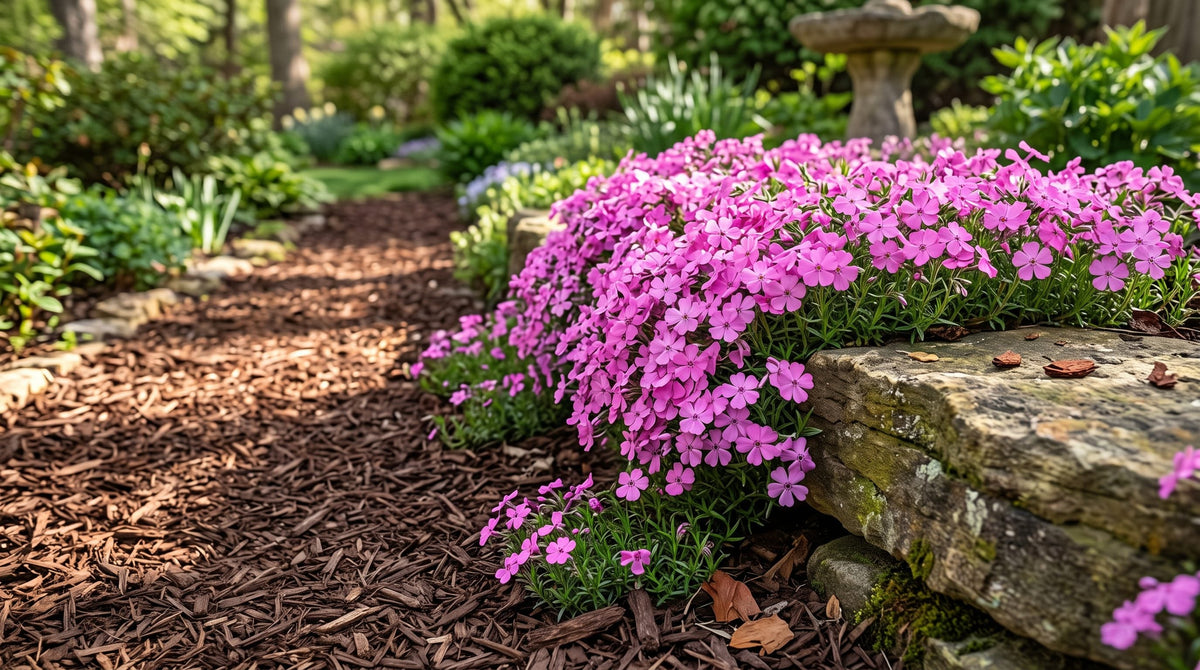
Ground cover plants safe for dogs are the ones the ASPCA lists as non-toxic by botanical name. Creeping phlox (Phlox subulata) has its own non-toxic entry and grows in USDA zones 3 to 9. Buttercups are on the toxic list. For shade, partridgeberry and Christmas fern have no ASPCA entry of their own, so ask your vet first.
A dog yard asks a lot of a ground cover. It has to handle paws, the odd nibble and sometimes a full sprint along the fence. The first question is whether the plant is safe if your dog chews it, and a trusted answer comes from the ASPCA Toxic and Non-Toxic Plant List for dogs. Search it by botanical name, not by common name, because one common name can belong to several plants. The list also leaves many garden plants out, and a plant with no entry is not the same as a plant marked non-toxic. Below, we walk through how to choose a dog-friendly ground cover, sorted by sun and shade, with the USDA zones each plant grows in. You will see which of our plants carry an ASPCA non-toxic entry and which need a quick word with your vet first. When you are ready, browse our full ground cover plants collection to compare more options for your zone.
Ground covers for a dog yard
1. Look up each plant's botanical name first
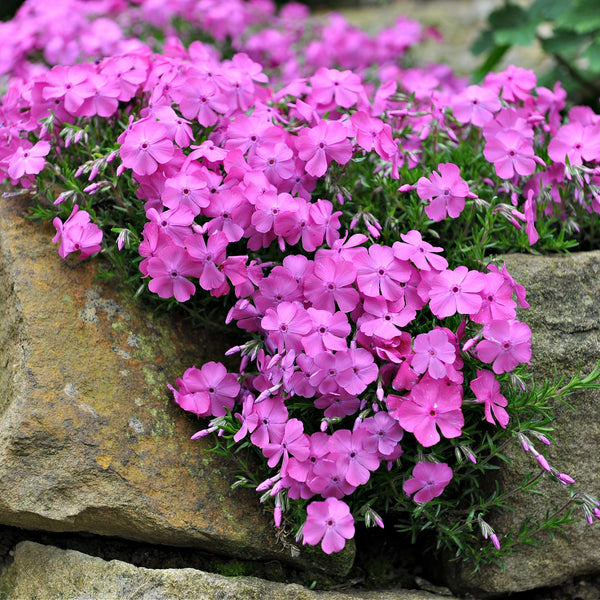
Before you buy, find the plant's botanical name on its label or product page, then search for it on the ASPCA dog plant list. Creeping phlox, for example, appears as moss phlox, Phlox subulata, marked non-toxic to dogs. Buttercups, Ranunculus species, sit on the toxic list, and creeping buttercup is one of them. Keep that one out of beds your dog can reach.
Tip: Write the botanical name on your plant tag so you can check it again later.
2. Plant creeping phlox in sunny spots
Creeping phlox forms a thick green mat that hugs the soil and spreads outward, and in early spring it covers itself in pink, white, purple or lavender flowers. It performs best in sun with good drainage, so it thrives on slopes, rocky ground, walkway edges and over retaining walls. Our creeping phlox grows in USDA zones 3 through 9, and once settled it handles dry spells.
Tip: Plant it along the edge of a dog path rather than in the middle of it.
3. In shade under trees, check with your vet first
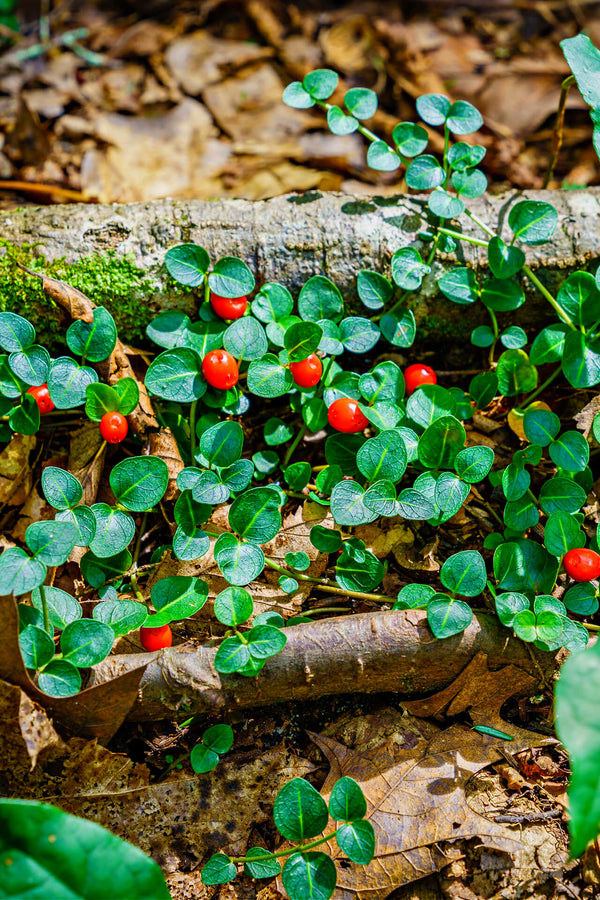
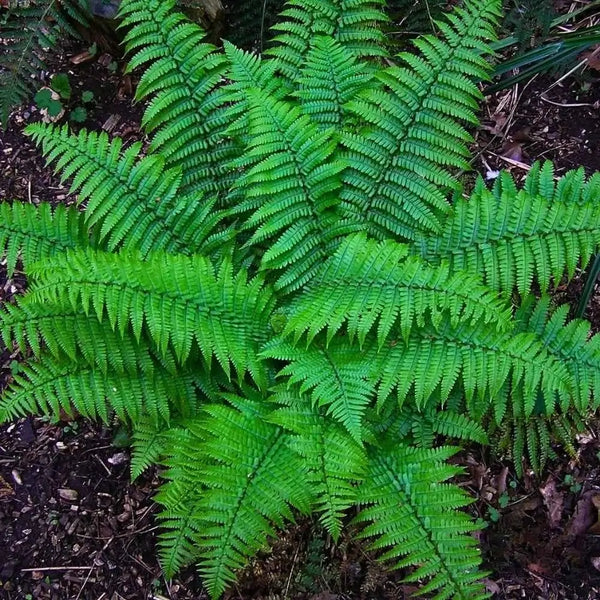
Shady spots under trees call for woodland plants. Partridgeberry, Mitchella repens, is an evergreen native that creeps along the ground with small shiny leaves, white spring flowers and red berries in winter. Christmas fern, Polystichum acrostichoides, keeps its deep green fronds through winter and helps hold soil on shady banks. Neither has an entry of its own on the ASPCA list, so ask your vet before planting them where your dog grazes.
Tip: Both are listed for USDA zones 3 through 9.
4. Give your dog a running lane
Many dogs run the same route every day, often along a fence line. Rather than asking any plant to take that wear, leave the route open as a path of mulch, gravel or stepping stones, and plant ground cover on either side. Your plants get room to root and spread, your dog keeps its track, and the bed stays full and green where it matters.
Tip: Fence off new plantings for their first season while the roots settle.
Sun and shade in one yard
Many yards have both: a sunny strip along the driveway and a shady corner under an old oak. You can match each spot with its own ground cover and still keep track of what is safe for your dog. Put creeping phlox where the sun reaches for most of the day and the soil drains well, such as a slope or the edge of a patio. In the shade beneath trees, Christmas fern makes a steady green backdrop, with fronds that usually reach 1 to 2 feet tall and fill in slowly over time. Plant it behind a low border, away from your dog's busiest route. In spring, the phlox flowers bring color to the sunny side while the fern keeps the shady side green all winter. Christmas fern has no ASPCA entry of its own, so ask your vet before planting it where your dog roams. For more shade options, browse our shade ferns.
Care and keeping
Water new plants deeply after planting and keep the soil lightly moist until they root in. A short fence or a few stakes and twine keeps paws off fresh plantings for the first season. If your dog chews or eats any plant and seems unwell, call your vet.
Frequently asked questions
What is a safe ground cover for dogs?
Creeping phlox (Phlox subulata) is a strong choice, because the ASPCA lists it as non-toxic to dogs. It forms a low, flowering mat in sunny, well-drained spots and is listed for USDA zones 3 through 9. Check any other ground cover by its botanical name on the ASPCA list before planting.
What can I plant instead of grass for dogs?
In sunny areas with light use, creeping phlox can replace a patch of lawn and blooms each spring. Where your dog runs daily, a path of mulch, gravel or stepping stones takes the wear better than any plant, with ground cover planted along both sides of it.
What outdoor plants are okay for dogs?
The ASPCA keeps a searchable list of plants marked toxic or non-toxic to dogs, and it is the best place to check before you plant. Search by botanical name. A plant that does not appear on the list has not been marked safe, so ask your vet about it first.