
The short answer
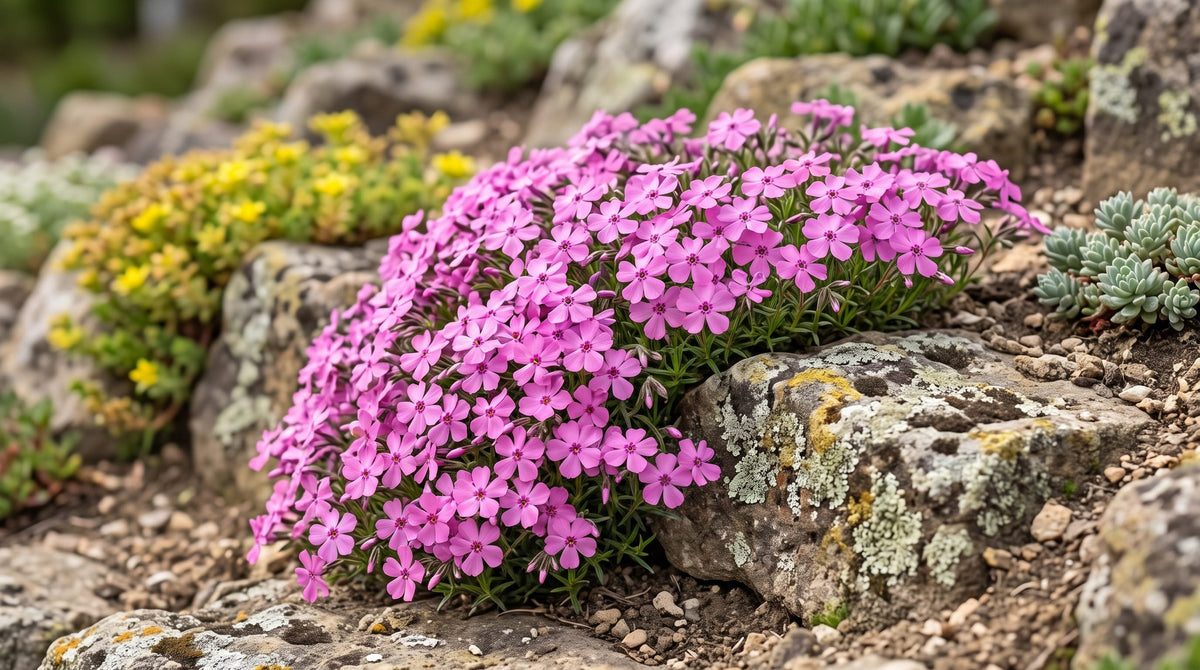
Creeping phlox vs moss phlox is usually a naming question, not a plant choice: both names most often mean Phlox subulata, a low, needle-leaved ground cover for sunny slopes and rock walls. Some growers also call Phlox stolonifera creeping phlox. That woodland species has rounder leaves and taller flower stems, and it prefers moist shade.
Two common names for one plant, and one name shared by two plants, is why this question comes up every spring. Moss phlox earns its name from its short, stiff, needle-like leaves, which form a dense mat that looks like moss before it blooms. Creeping phlox describes how that same mat spreads along the ground. Both names point to Phlox subulata, a perennial native to central and eastern North America and hardy in USDA zones 3 to 9. The confusion starts because Phlox stolonifera, a woodland phlox from the Appalachian mountains, is also called creeping phlox. It spreads by runners, holds its flowers higher, and wants a very different spot in the garden. The Creeping Phlox we grow is Phlox subulata, the sun lover that hugs slopes and spills over walls in pink, white, purple and lavender. The steps below help you check which plant you are buying and match it to the right place in your yard.
Phlox and ground covers for sun
1. Check the botanical name on the label
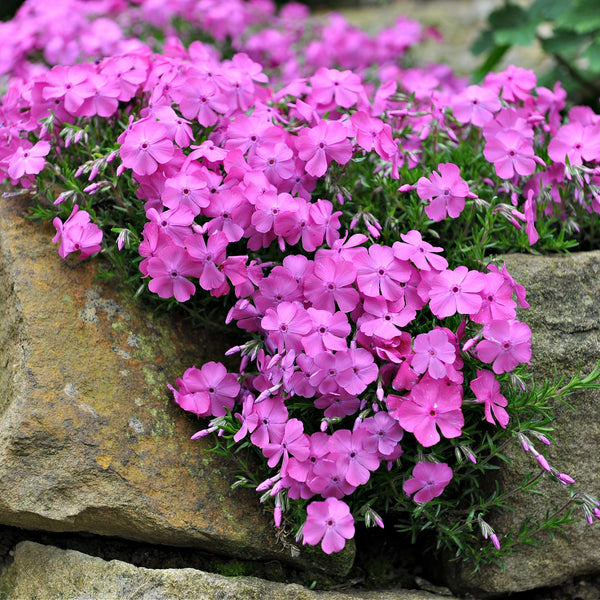
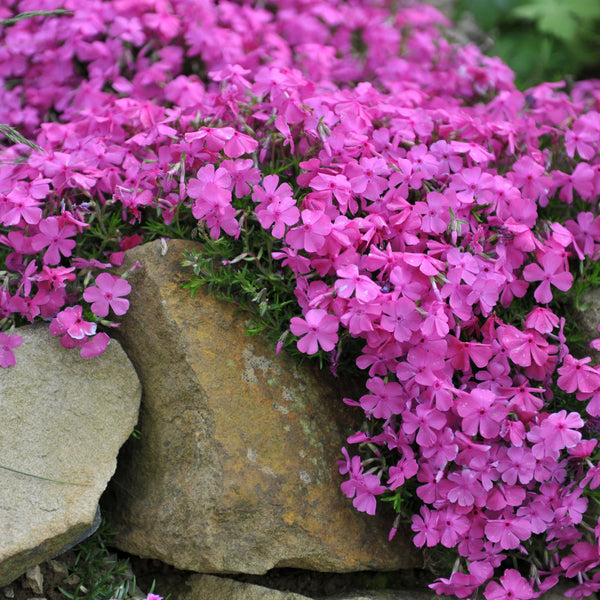
Common names shift from region to region, so the Latin name is the surest guide. Phlox subulata is the low mat with needle-like leaves that most people mean by both moss phlox and creeping phlox. Phlox stolonifera is the woodland plant with broader leaves and flower stems that rise 6 to 12 inches. If a label shows only a common name, ask the grower which species it is.
Tip: Our Creeping Phlox is Phlox subulata, the sun-loving moss phlox.
2. Match the plant to sun or shade
Phlox subulata flowers best in full sun, with six or more hours a day, and thrives in well-drained soil, including sandy, gravelly and rocky ground. That makes it a natural fit for slopes, rock gardens, retaining walls and the gaps between pavers. Phlox stolonifera prefers morning sun followed by shade and moist, humus-rich woodland soil, so it belongs under trees or along a shaded path.
Tip: In hot, humid summers, moss phlox appreciates a little dappled afternoon shade.
3. Plant with room to spread
Moss phlox stays low, reaching about 6 inches tall, and spreads 2 to 3 feet wide over time. Space plants with that spread in mind so the mats knit together into one carpet. Set each plant at the same depth it grew, firm the soil around the roots and water well. Keep the soil lightly moist while the roots settle, then let the planting rely mostly on rain.
Tip: For an even cover on a bank, plant in staggered rows.
4. Trim after the flowers fade
Moss phlox blooms in spring, from about April into May. Once the flowers are done, cut the stems back by about half. This keeps the mat dense and tidy and sets it up for a full show the following spring. On large plantings, a mower set high can do the job. Between trims, the semi-evergreen foliage keeps green on the ground through the colder months.
For a shady woodland bed
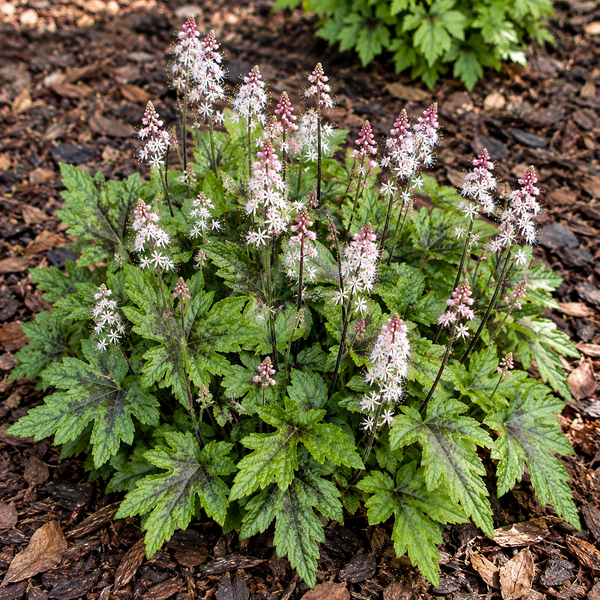
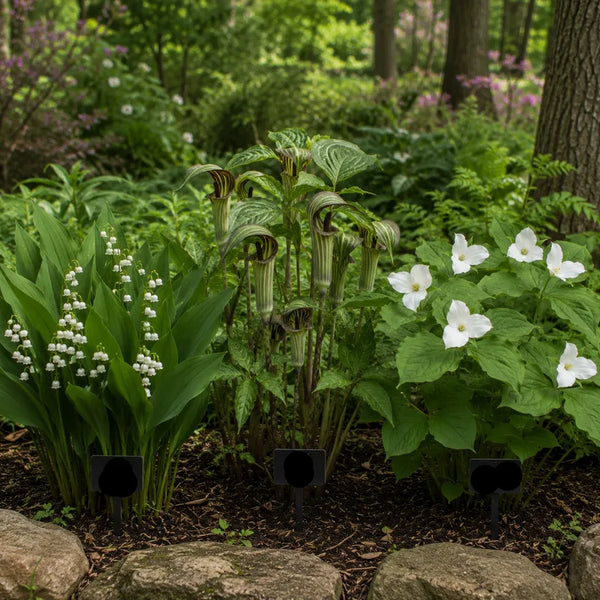
If the spot you want to cover sits under trees or gets only morning light, moss phlox will be happier elsewhere, and this is where Phlox stolonifera earns the creeping phlox name. It keeps a low layer of foliage about 3 inches tall and sends flower stems up to 12 inches in spring. It spreads by runners into a colony roughly 2 to 3 feet across, and it is hardy in USDA zones 5 to 9. It thrives in moist, humus-rich soil and the cool light of a woodland edge, where it prefers morning sun to strong afternoon sun. Our Creeping Phlox is the sun-loving species, so for a shady bed we suggest plants that share its taste for shade and rich soil. Foam Flower forms a green mat under taller plants and sends up fluffy white to pink spring blooms. The Shade Garden Trio brings three shade-loving perennials chosen for filtered sun, morning sun or full shade.
Care and keeping
Once the mat is planted, pull weeds by hand through its first season, until the foliage closes over the soil and shades them out. Give established plants a deep drink during long dry spells. Deer generally pass moss phlox by, though rabbits may nibble the foliage, and its spring flowers draw bees, butterflies and hummingbirds.
Frequently asked questions
How far does moss phlox spread?
Moss phlox, Phlox subulata, spreads about 2 to 3 feet wide over time while staying around 6 inches tall. Each plant creeps outward along the ground, so a row spaced with that spread in mind fills in as one carpet. It stays low and spreads steadily without crowding nearby plants.
Does moss phlox come back every year?
Yes. Moss phlox is a perennial, hardy in USDA zones 3 to 9, so the same plants return and bloom each spring. Its foliage is semi-evergreen, so the mat often keeps some green through winter. A trim by half after flowering helps it come back dense and full of buds.
Are there any creeping phlox that bloom all summer?
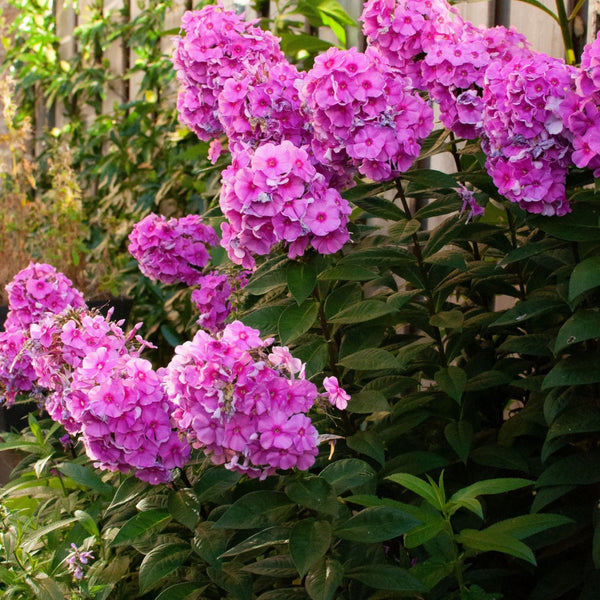
Moss phlox flowers in spring, from about April into May, and Phlox stolonifera is an early spring bloomer too. For phlox color through summer, pair your creeping phlox with Garden Phlox, Phlox paniculata, a taller border plant that blooms from mid-summer into early autumn. Together they carry phlox flowers from spring to fall.
Phlox subulata vs Phlox stolonifera side by side
Here is how the two plants called creeping phlox compare, drawn from the Penn State Extension guide to phlox and the NC State Extension plant profile linked above.
| Feature | Moss phlox (Phlox subulata) | Woodland creeping phlox (Phlox stolonifera) |
|---|---|---|
| Other names | Creeping phlox, moss pink | Creeping phlox |
| Leaves | Short and needle-like | Broader and rounder |
| Height | About 6 inches | Foliage about 3 inches, flowers 6 to 12 inches |
| Spread | 2 to 3 feet | 2 to 3 feet, by runners |
| Light | Full sun to light shade | Morning sun, then shade |
| Soil | Well-drained, sandy, gravelly or rocky | Moist and humus-rich |
| Bloom time | Spring, about April to May | Early spring |
| USDA zones | 3 to 9 | 5 to 9 |
| Best place | Sunny slopes, rock gardens, walls | Woodland beds, shaded paths |
Moss phlox (Phlox subulata)
- Other names
- Creeping phlox, moss pink
- Leaves
- Short and needle-like
- Height
- About 6 inches
- Spread
- 2 to 3 feet
- Light
- Full sun to light shade
- Soil
- Well-drained, sandy, gravelly or rocky
- Bloom time
- Spring, about April to May
- USDA zones
- 3 to 9
- Best place
- Sunny slopes, rock gardens, walls
Woodland creeping phlox (Phlox stolonifera)
- Other names
- Creeping phlox
- Leaves
- Broader and rounder
- Height
- Foliage about 3 inches, flowers 6 to 12 inches
- Spread
- 2 to 3 feet, by runners
- Light
- Morning sun, then shade
- Soil
- Moist and humus-rich
- Bloom time
- Early spring
- USDA zones
- 5 to 9
- Best place
- Woodland beds, shaded paths
