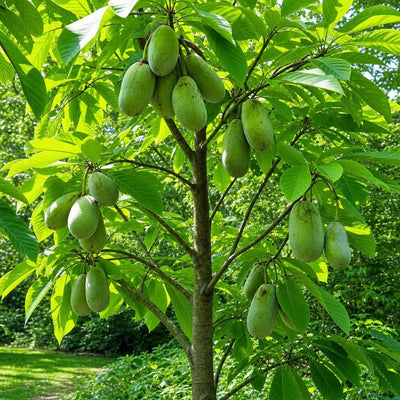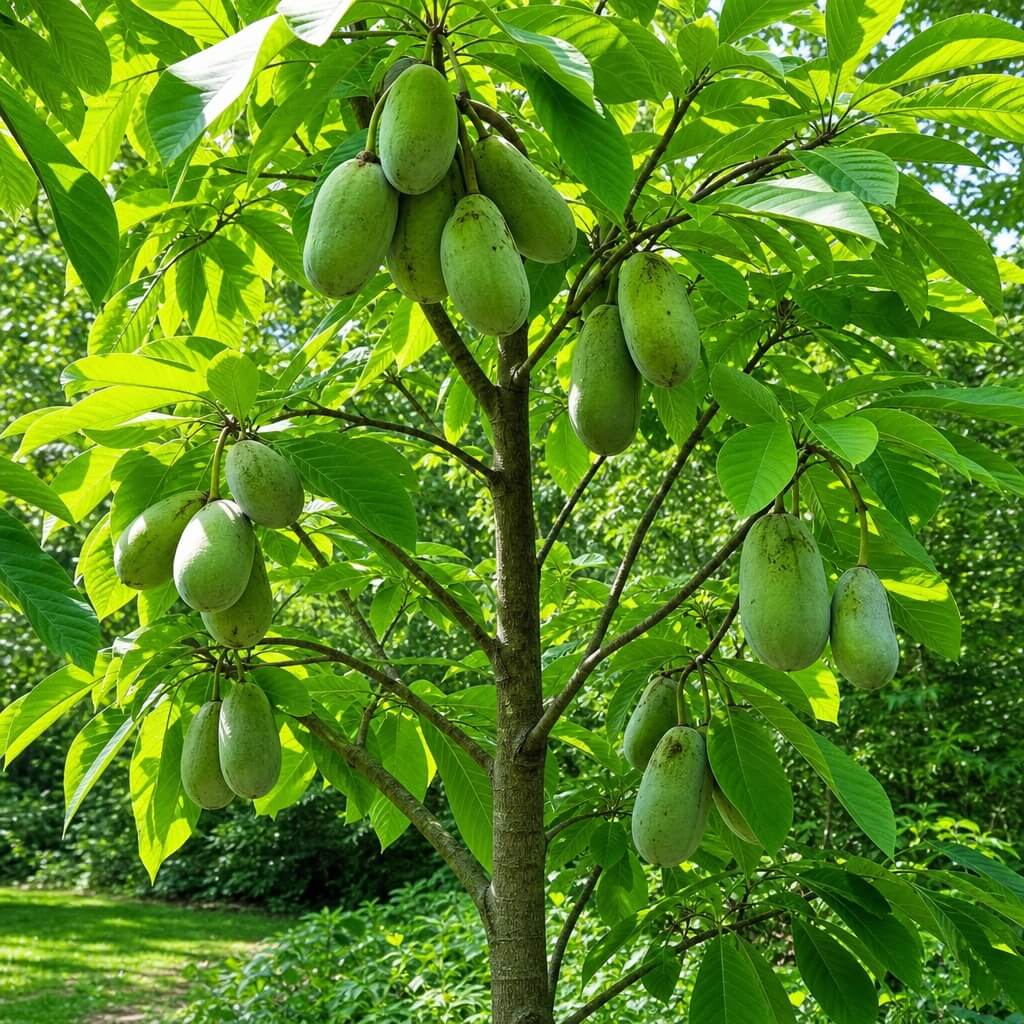

If you've noticed pawpaw trees popping up on gardening blogs, homesteading forums, and farmers market tables this fall, you're not imagining it. Asimina triloba, better known as the pawpaw, is in the middle of a genuine comeback — and the story of how it got forgotten in the first place is almost as interesting as the fruit itself.
America's Largest Native Fruit, Hiding in Plain Sight
The pawpaw holds a quiet distinction: it's the largest edible fruit native to North America. Its custard-like flesh is often described as a cross between banana, mango, and vanilla pudding — a flavor so distinctive that people who grew up near a wild pawpaw patch tend to remember it for life. The tree is native to roughly 26 eastern and midwestern states, thriving as an understory tree in the same river bottoms and hollows it has occupied for thousands of years.
A Fruit With a Real History
Long before pawpaws were a novelty crop, Indigenous communities across the tree's native range cultivated and relied on the fruit as a seasonal food source — a history reflected in the number of American place names and waterways that still carry some version of "pawpaw" today.
The fruit even has a documented role in American exploration history: on the return leg of the Lewis and Clark Expedition in 1806, the Corps of Discovery ran short on rations in the Ohio Valley and survived for several days largely on foraged pawpaws, a detail recorded in the expedition's own journals.
So why did a fruit with that kind of pedigree all but disappear from everyday American life? The answer is shelf life. The pawpaw's thin skin and short window of ripeness made it a poor fit for the commercial supply chains that scaled up through the 20th century. As orchards consolidated around fruit that could be picked green, shipped long distances, and sit on a shelf, the pawpaw receded into backyards, wild hollows, and old family memories — eventually surviving mostly as the subject of a well-known Appalachian folk song.
Why the Pawpaw Is Back
A few forces are pulling the pawpaw back into the spotlight, this time planted on purpose rather than only found in the wild:
- The native-plant movement. Gardeners are increasingly choosing regionally native species over ornamental imports, both to support local wildlife and to cut down on the water, fertilizer, and spraying that non-native trees often demand.
- The backyard orchard trend. Homesteaders and small-lot growers want fruit the grocery store simply doesn't carry. A fruit that can't be shipped commercially is exactly the kind worth growing at home.
- Genuinely low maintenance. Because the pawpaw has adapted to eastern U.S. understories for millennia, it shrugs off many of the pests and diseases that plague imported fruit trees, with little spraying required.
What a Pawpaw Tree Actually Needs

If you're thinking about adding one to your own yard, here's the quick version:
- Hardiness: Zones 5 through 8
- Light: Shade tolerance as a young sapling, full sun once mature
- Soil: Moist, deep, and slightly acidic
- Pollination: Plant two genetically distinct trees — pawpaw flowers are pollinated by flies and beetles rather than bees, a quirk that traces back to the tree's ancient, pre-honeybee origins on this continent
- Harvest window: A short, prized stretch from September into October
Because cross-pollination is required for fruit set, most growers plant a pair from the start — our Pawpaw Trees are typically sold that way for exactly this reason. For larger plantings, orchards, or wildlife food plots, our Pawpaw Tree Seedlings are a more economical way to establish a grove.
Grown in Tennessee Since 1959
TN Nursery has been growing pawpaw trees longer than almost anyone in the business. Founded in 1959 by Roscoe Tate, our 170-acre Tennessee nursery has grown roughly two million pawpaw trees from about two tons of seed over the decades — a scale that comes only from genuinely specializing in native trees, not just carrying them.
If the pawpaw's comeback has you thinking about rounding out a native plant collection, it pairs naturally with other eastern natives like Eastern Redbud and Elderberry — both long-time staples of the same woodland-edge habitat the pawpaw calls home.
The pawpaw spent most of the last century as a forgotten fruit. Plant one today, and you're not just growing an unusual harvest — you're taking part in bringing a genuinely American tree back into American yards.