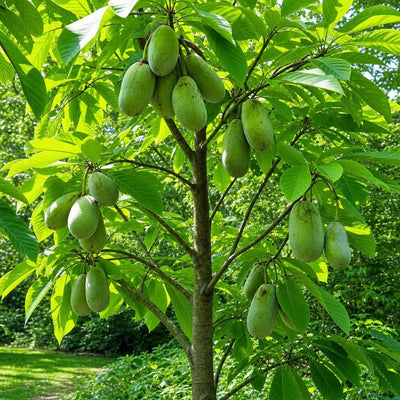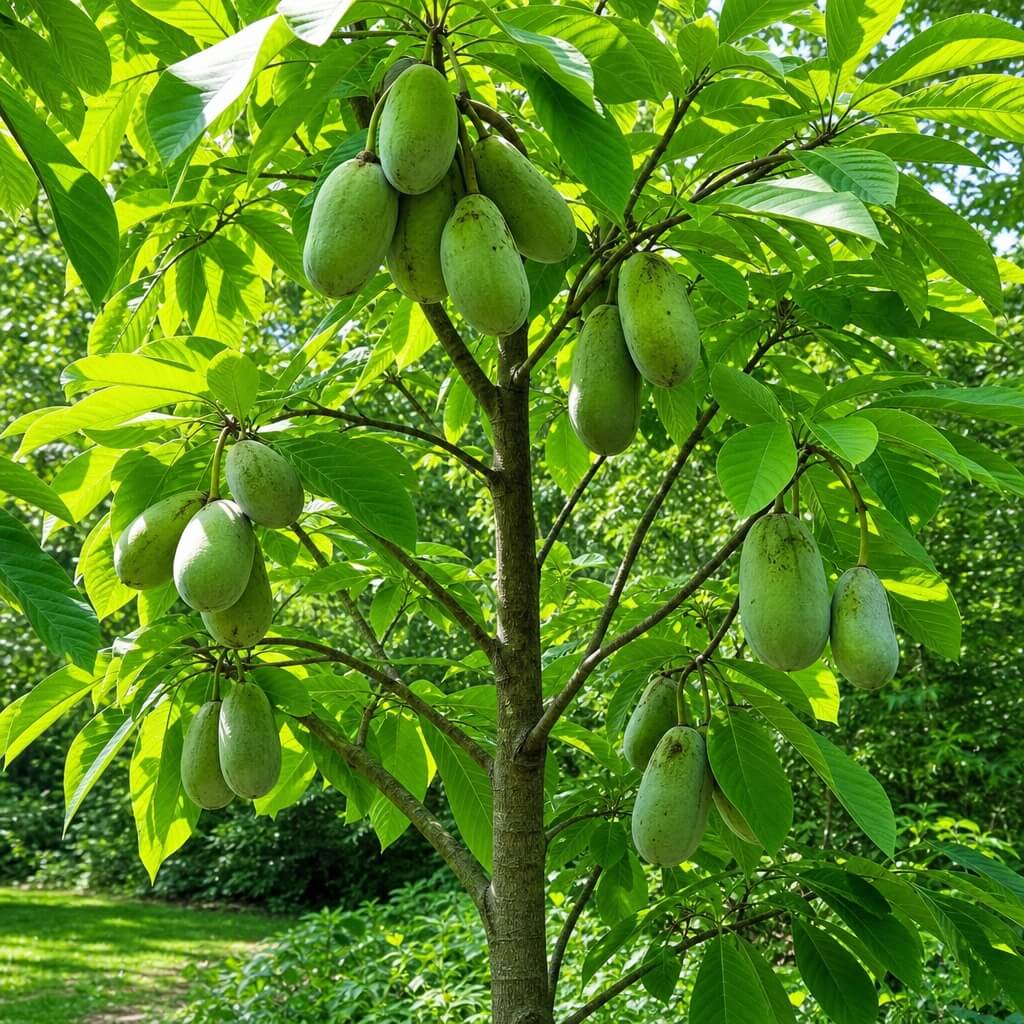
To eat a pawpaw, wait until the pawpaw fruit gives slightly when pressed and smells sweet and fruity. Rinse it, cut it in half lengthwise and scoop out the yellow, custard-like pulp with a spoon. Eat the pulp fresh or chilled, and set aside the pawpaw skin and the large brown seeds, which are not eaten.
Pawpaw (Asimina triloba) is the largest edible fruit native to North America, and pawpaw fruit ripens from August to October. Ripe pawpaws keep only a few days, so they rarely reach grocery stores. Penn State Extension and the Kentucky State University pawpaw program both suggest enjoying the pulp fresh or freezing it for later. Here in Tennessee, November through April is bare-root planting season, the right time to plant pawpaw trees for sale from our fields. For the full story of the fruit, read our pawpaw fruit guide.
How do you eat a pawpaw?
You eat a pawpaw by cutting the ripe fruit open and spooning out the soft pulp, much as you would eat a ripe avocado or kiwi. A pawpaw fruit is 3 to 6 inches long, so one fruit makes a generous single serving.
- Check ripeness. The pawpaw should yield to gentle pressure and smell fruity.
- Rinse. Wash the pawpaw gently under running water.
- Cut lengthwise. Slice the pawpaw in half from stem to tip with a small knife.
- Scoop. Spoon the yellow pulp into a bowl or straight into your mouth.
- Work around the seeds. Pawpaw pulp clings to two rows of large, flat seeds; eat around them and set the seeds aside.
- Set aside the skin. Only the pulp is eaten.
How can you tell when a pawpaw is ripe?
A ripe pawpaw yields to gentle pressure like a ripe peach, gives off a strong fruity aroma, and comes off the branch with a light tug. Skin color is a weak guide, because ripe pawpaws on the tree range from green to yellow and may show dark flecks like a banana.
Picked pawpaws often darken to brown or black within a day or two, and the pulp inside is usually still sweet.
What does a pawpaw taste like?
Pawpaw fruit tastes like a blend of banana, mango and melon, with hints of pineapple and a smooth, custard-like texture. Kentucky State University reports that pawpaw has about twice the vitamin C of banana and three times that of apple, and is rich in magnesium, iron and potassium. Our native fruit nutrition comparison lines pawpaw up against persimmon, elderberry and mulberry.
How do you store and freeze pawpaw fruit?
Store ripe pawpaws in the refrigerator for up to about one week, or scoop the pulp, remove the seeds and freeze it for up to one year. Firm, slightly underripe pawpaws keep longest in the refrigerator and can ripen afterward at room temperature.
| Pawpaw condition | Where to keep it | How long it keeps |
|---|---|---|
| Ripe, whole fruit | Kitchen counter | A few days |
| Ripe, whole fruit | Refrigerator | About 1 week |
| Firm, not fully ripe | Refrigerator, then counter to ripen | 2 to 3 weeks |
| Pulp, skin and seeds removed | Freezer bag, air pressed out | Up to 1 year |
What can you make with pawpaw?
Pawpaw pulp works almost anywhere mashed banana does: quick bread, muffins, pancakes, oatmeal bars and smoothies. Pawpaw ice cream, sorbet and freezer jam are favorites because cold recipes keep the fruit's tropical flavor bright.
- Pawpaw bread: swap 1 cup of mashed pawpaw for the banana in your favorite banana bread.
- Pawpaw freezer jam: follow the pectin box directions and use pawpaw as the mashed fruit.
Penn State Extension notes there are no tested home-canning recipes for pawpaw, so freezing is the best way to save the harvest.
How do you grow your own pawpaws to eat?
The surest way to eat fresh pawpaws every fall is to plant at least two pawpaw trees within 30 feet of each other, since pawpaw trees need a second tree for cross-pollination. Pawpaw trees grow in USDA zones 5 to 8 and reach 15 to 30 feet tall with a 15- to 20-foot spread.
Plant bare-root pawpaw trees while dormant, from November through April, spacing them 8 to 15 feet apart in moist, fertile, well-drained soil. Bare-root nursery trees 1 to 5 feet tall usually begin fruiting 4 to 7 years after planting, and seedlings in 5 to 8 years. Our how to grow pawpaw trees guide covers sun, watering and pruning, and our soil preparation guide for pawpaw trees walks through getting the ground ready.
Pawpaw products to start with
- Pawpaw Tree: bare-root trees sold Buy 1 Get 1 Free, which gives you the two trees needed for fruit, plus Buy 3 Get 2 Free and 25-tree packs.
- Pawpaw Tree Seedlings: packs of 100 or 500 for groves, orchard rows and wildlife plantings.
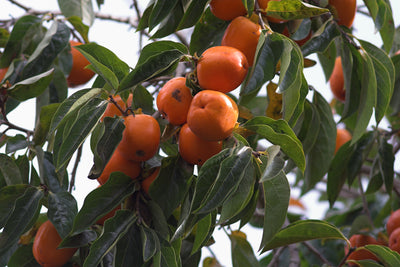
- Persimmon Tree: a native fruit that ripens right after the pawpaw harvest.
What grows well with pawpaw trees?
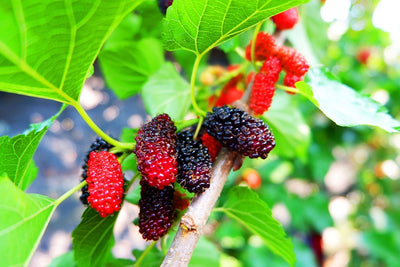
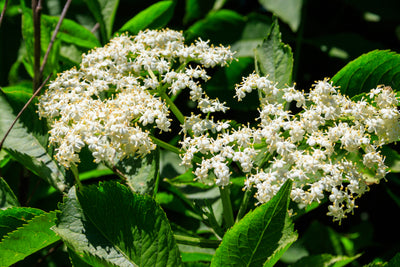
Other native fruit plants grow well with pawpaw trees and stretch the harvest from early summer into late fall. A mulberry tree fruits in early summer, an elderberry adds summer berries at the edge of a pawpaw grove, and an American persimmon ripens sweet fruit in fall. For a shady corner, spicebush is a native shrub that enjoys the same moist, rich soil as pawpaw.
Pawpaw eating FAQ
Can you eat pawpaw skin?
No. Pawpaw skin is not eaten, so scoop the pulp out of the skin or peel the fruit and discard the skin.
Can you eat pawpaw seeds?
No. Pawpaw seeds are not eaten; eat the pulp around the large brown seeds and set the seeds aside.
What do you do with a pawpaw that is still hard?
Leave a firm pawpaw on the kitchen counter for a few days until it softens and smells fruity. You can also refrigerate it for 2 to 3 weeks and ripen it at room temperature later.
Can you freeze pawpaw fruit?
Yes. Freeze pawpaw pulp with the skin and seeds removed in a labeled freezer bag, and use it within one year.
When is pawpaw season?
Pawpaw season runs from August to October, with most pawpaw fruit in Kentucky and Tennessee ripening from late August into early October.
How long until a pawpaw tree gives fruit to eat?
Bare-root pawpaw trees usually bear fruit 4 to 7 years after planting, and pawpaw seedlings in 5 to 8 years.
Keep reading
- Pawpaw Fruit: What It Is and How to Get It
- How to Grow Pawpaw Trees: Planting, Care and Fruit
- The Pawpaw Renaissance
- Native Fruit Nutrition Comparison
From our nursery
TN Nursery is a family-owned, third-generation nursery in Altamont, Tennessee, growing plants on 170 acres since 1959, more than 65 years. Pawpaw is our #1 selling tree: we grow about 2 million pawpaw trees a year from about 2 tons of seed, dig them while dormant and ship them bare root. We have supplied plants to major U.S. landmarks like the Washington Monument and Arlington National Cemetery. When you are ready to taste your own harvest, buy pawpaw trees straight from our fields.