
The short answer
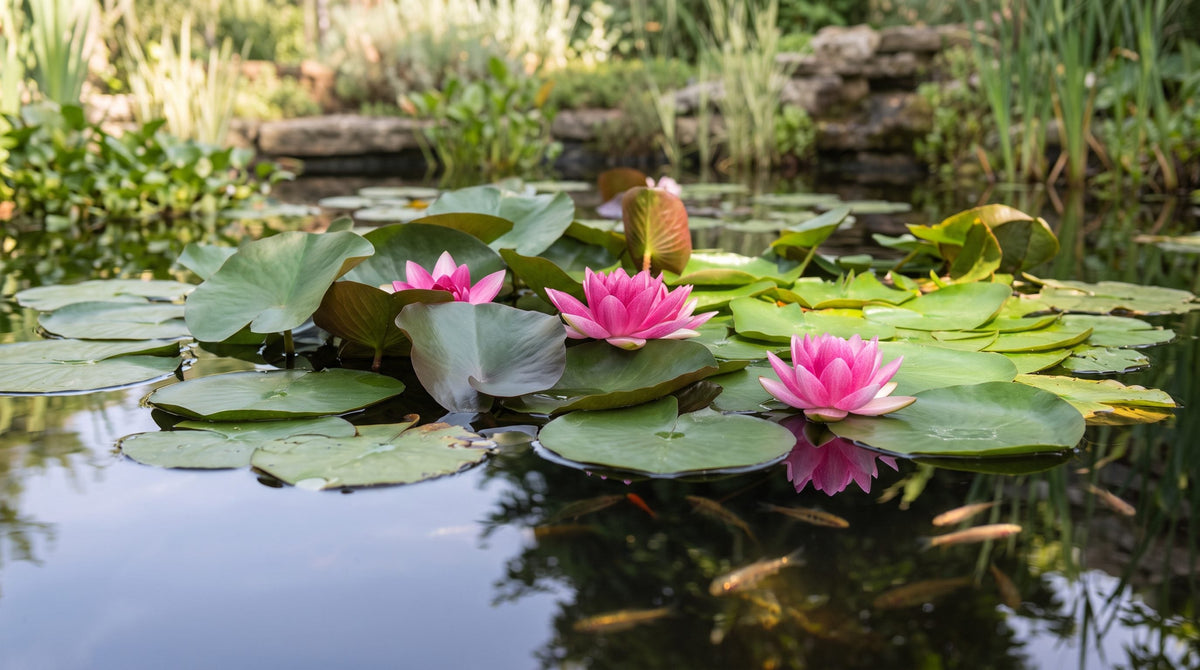
Are lily pads producers? Yes. A water lily is a green plant, and its floating pads use sunlight, water and carbon dioxide to make their own food through photosynthesis. That puts them at the base of the pond food web: snails, aquatic insects and fish feed on or shelter around them.
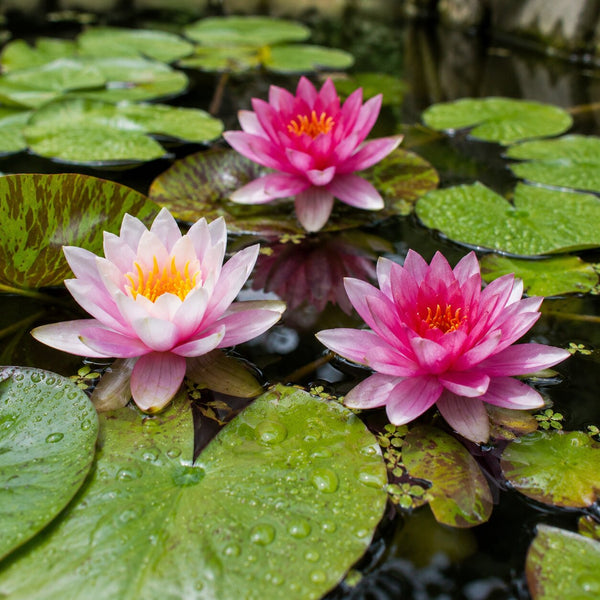
Here is the chain in a backyard pond: sunlight feeds the lily pads, the pads feed snails and aquatic insects that graze on or live around them, and those feed your fish. The rest of the pond's life builds on that first step. The pad you see is only one leaf. A water lily grows from a rhizome rooted in soil at the bottom of the pond or in a sunken container, and long stems carry each rounded leaf up to float on the surface. In warm months the flowers open just above the water. The broad pads do more than make food. They shade the water, which may help discourage excess algae, and they give fish cool places to shelter from sun and predators. Bees, butterflies and dragonflies may visit the blooms. The Missouri Department of Conservation's field guide to water lilies describes the native species in more detail. To bring that producer layer home, the steps below plant our Water Lily Plant in a pond.
What you need to plant water lilies
1. Fill a wide container with heavy soil
Start with a wide aquatic planting basket or container and fill it with heavy garden soil or clay-based aquatic soil. Water lilies grow best in dense soil that stays put. Skip lightweight potting mixes with peat, bark or perlite, since those pieces float out of the pot and cloud the water. A wide container gives the rhizome room to grow.
2. Set the rhizome at an angle, tip up
Lay the rhizome at a slight angle with the growing tip pointing up and toward the center of the container. Cover the roots and most of the rhizome with soil, but leave the crown, or growing tip, exposed. Finish with a thin layer of pea gravel or mulch to hold the soil in place, again keeping the tip uncovered.
Tip: Check the growing tip one last time before the pot goes into the water.
3. Choose a sunny spot in calm water
For the best flowering, place your water lily where it gets about six hours of direct sun a day. More sun means more energy for the pads to make food, and more blooms. Water lilies love calm or gently moving water, so give them a spot away from fountains, waterfalls and strong pumps that keep splashing their leaves.
4. Lower the pot 6 to 12 inches deep
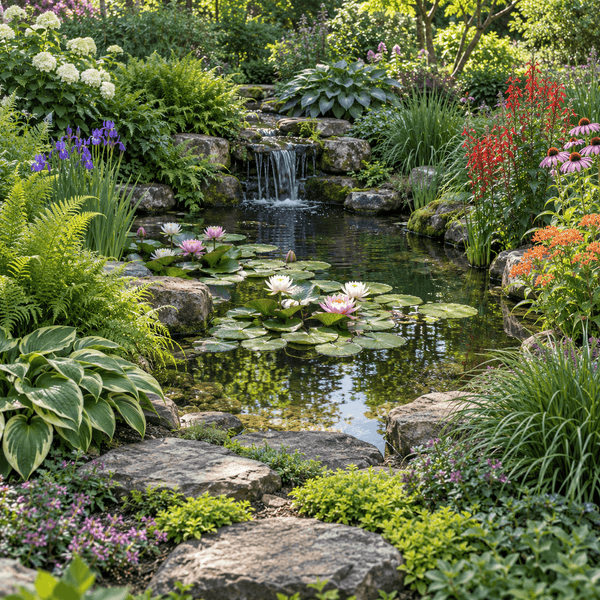
Slowly lower the planted container into the pond until it sits about 6 to 12 inches beneath the surface, so the young leaves are near the top. This shallow start helps new pads reach the light quickly, which is where the plant begins making its own food in earnest. Planting a new pond from scratch? Our 10 Water Garden Plants mix and 15 Aquatic Plants Box, with bulrush, river cane and crested iris, fill in around the lily.
5. Move it deeper as the pads reach the surface
Once the leaves reach the surface and the plant settles in, lower the container a little at a time. Each time, check that the pads still float flat on the surface; the stems lengthen to follow. In colder regions, a final spot below the pond's freezing line lets hardy plants overwinter in place. Water lilies return year after year in suitable conditions.
Add more producers at the pond edge
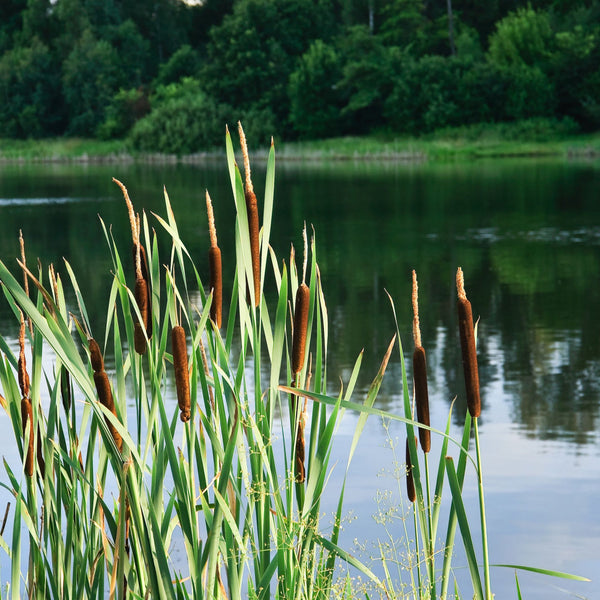
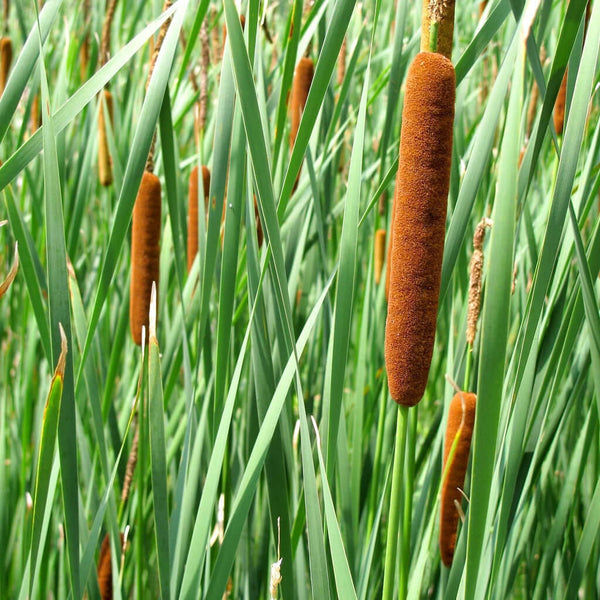
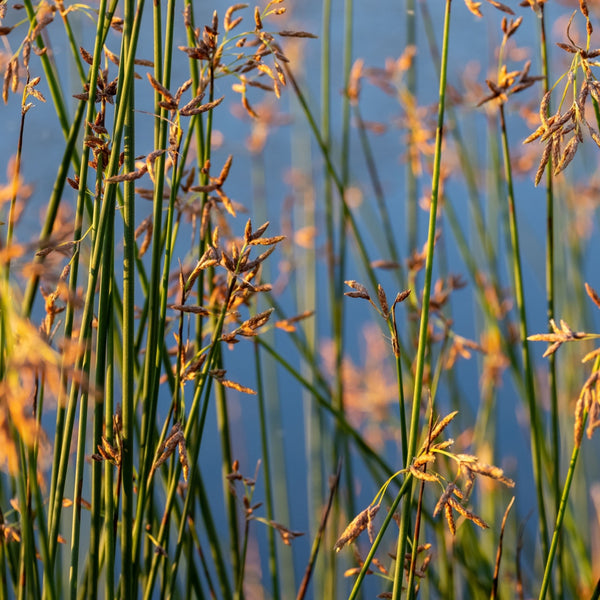
Water lilies are not the only producers a pond can hold. Every green plant in and around the water photosynthesizes, so planting the shallow edges adds a second layer of food and shelter to your pond's food web. Cattail stands tall in shallow water or moist mud, grows 4 to 10 feet, and provides food, shelter and nesting material for birds and other wildlife. Its dense roots also hold wet, loose soil against erosion. Bulrush grows from 3 to 10 feet out of standing water, and amphibians lay eggs around its base. When planted in water, its roots filter pollutants and help improve water quality. Both spread by clumping rhizomes, so give them room or thin them now and then to keep the edge open. Together with lily pads on the surface, they give a pond producers at every level, from the open water to the bank. For more choices, browse our full pond plants collection.
Care and keeping
Water lilies need very little care once established. Remove yellowing leaves and faded flowers as needed, and divide the rhizome in early spring if the plant gets crowded or blooms less. Hardy varieties overwinter in the pond where the rhizome sits below the freezing line; in shallow ponds or colder regions, move the container to deeper water for winter.
Frequently asked questions
How do lily pads grow?
A lily pad grows from a rhizome rooted in soil at the bottom of a pond or in a sunken container. Long stems rise from the rhizome and carry each rounded leaf up to float on the surface. In warm weather the plant grows vigorously, then rests in dormancy when temperatures drop.
Do lily pads produce flowers?
Yes. The pad is the leaf of a water lily, a flowering plant, and the same plant sends up its blooms. Throughout the warmer months the flowers open just above the water. For the best flowering, give the plant about six hours of direct sun a day and calm water.
How fast do lily pads multiply?
Speed depends on the variety, the warmth of the water and how much sun the pond gets. In warm weather water lilies grow vigorously, and an established plant spreads across the surface. If it becomes crowded or produces fewer flowers, divide the rhizome in early spring to keep it blooming.