
The short answer
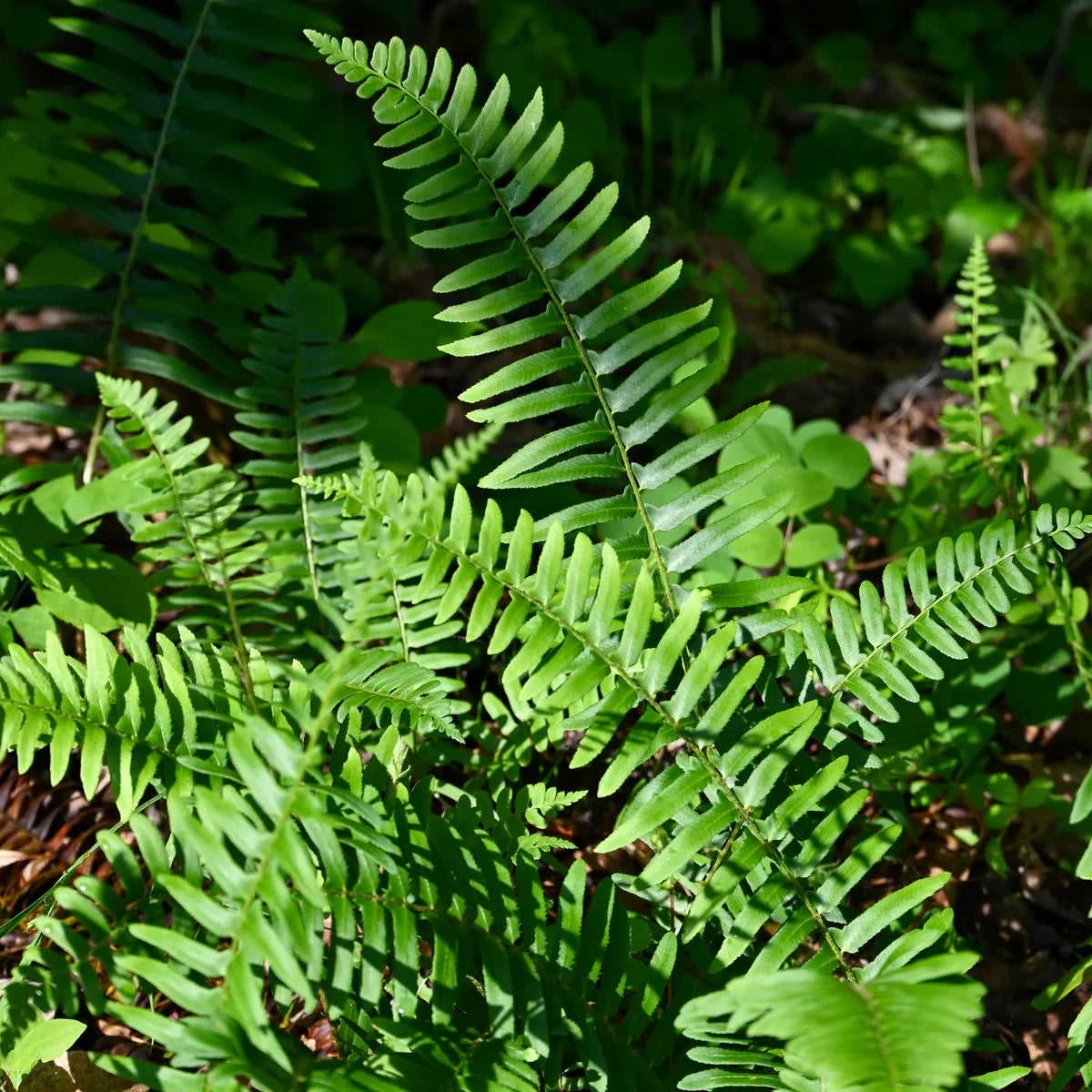
Evergreen ferns stay green through winter. The most dependable is the native Christmas fern, hardy in USDA zones 3 to 9. Ebony spleenwort, walking fern, hart's tongue fern, Fortune's holly fern and autumn fern also hold their color. Pick one rated for your zone, plant it in shade with moist, well-drained soil, and trim old fronds in late winter.
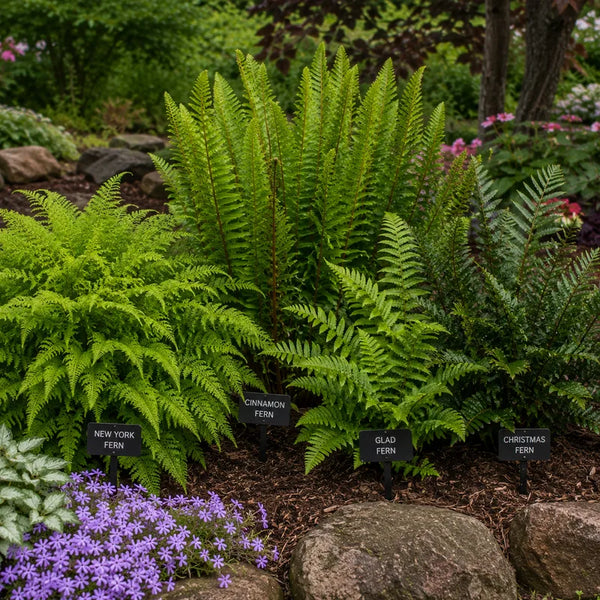
A fern is evergreen when its fronds stay green through the cold months instead of dying back. Marginal wood fern is semi-evergreen, keeping green fronds for only part of the winter. Cinnamon, ostrich, lady, sensitive and New York ferns are deciduous, and evergreen kinds fill the gap while they rest. Zone matters as much as the fern itself: Christmas fern, rated for zones 3 to 9, handles cold winters, while Japanese holly fern, rated for zones 7 to 10, thrives where winters are milder. Even Christmas fern may lose some foliage in zones 3 and 4, then regrow in spring.
What you need for evergreen ferns
1. Match the fern to your USDA zone
Start with your hardiness zone, then read the zone range for each fern in the table below. In zone 3, Christmas fern and ebony spleenwort are the picks. Zones 4 and 5 add walking fern, and zone 5 adds hart's tongue fern and Fortune's holly fern. Zone 6 opens up Korean tassel fern and southern shield fern. In zone 7 and warmer, Japanese holly fern joins the list.
Tip: Not sure of your zone? Look it up by ZIP code before you order, then pick ferns rated for it.
2. Choose a shaded spot with moist, well-drained soil
Evergreen ferns thrive in part to full shade, under trees, along wooded paths and on shady banks. Give them rich soil that holds moisture yet drains well; working in aged leaf compost helps. Christmas fern also handles rocky woodland ground and shady slopes, where its roots help hold soil in place. Walking fern prefers moist, rocky, limestone-rich spots such as a shaded rock wall.
Tip: Low spots, north-facing slopes and areas near downspouts hold the moisture ferns love.
3. Soak the bare roots, then plant
Plant bare-root ferns soon after they arrive. Soak the roots in room-temperature water for a few hours first. Fern roots are shallow and fibrous and spread sideways, so dig a wide, shallow hole rather than a deep one. Spread the roots out, firm the soil around them and water well to settle it.
Tip: Trim off any damaged or dead root pieces with clean shears before planting.
4. Mulch and keep fronds on through winter
Water regularly while new ferns establish, and spread mulch over the root zone to hold moisture. Shredded leaves or aged bark suit a woodland bed. As cold weather arrives, leave every frond in place. Evergreen ferns use their fronds all year, and the old foliage shelters the crown through snow and ice. On Christmas fern, new fiddleheads start to show by late winter, your cue to trim.
Tip: Skip fall cleanup in fern beds; fallen leaves make a natural mulch.
5. Trim old fronds in late winter
Late winter or early spring, as new fiddleheads show and before they unfurl, is the time to tidy up. Cut last year's fronds that look ragged or flattened at the base, and take care not to nick the young fiddleheads in the crown. If the old fronds still look fresh, leaving them is fine.
Native evergreen ferns to choose first
If you garden for wildlife or local ecology, start with ferns native to North America. Christmas fern is native to forests across the eastern United States and makes a sturdy backbone for an evergreen fern bed. Walking fern, another eastern native, grows on shaded limestone ledges and roots from its leaf tips, so it slowly walks across a rock wall. Ebony spleenwort and southern shield fern are native evergreens too, and marginal wood fern is a native semi-evergreen. The best-known non-native evergreens are autumn fern, Japanese and Fortune's holly ferns, Korean tassel fern and hart's tongue fern. They bring coppery new growth or glossy, holly-like fronds. For an all-native bed, pair Christmas fern in open shade with walking fern on rocks, then fill in with deciduous natives such as cinnamon fern and lady fern from our collection of easy ferns to grow.
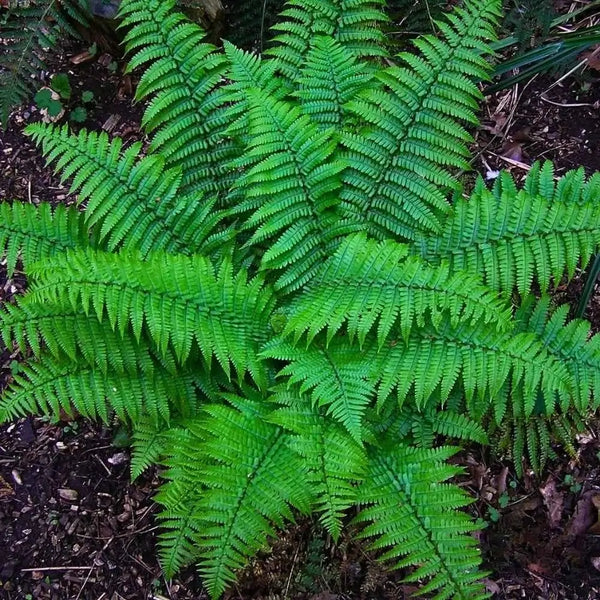
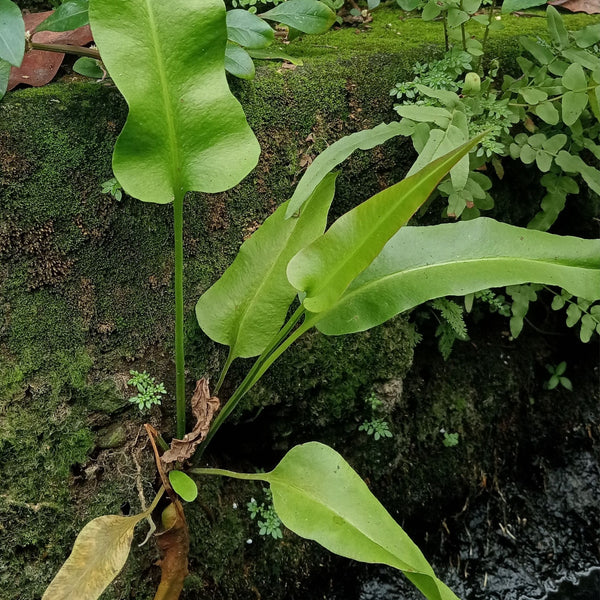
Care and keeping
Evergreen ferns are low-maintenance once settled. Water deeply during dry spells in their first year, keep a light layer of mulch over the roots, and skip heavy fertilizer; compost worked into the bed feeds them gently.
Frequently asked questions
What ferns stay green all year?
Christmas fern, ebony spleenwort, walking fern, southern shield fern, hart's tongue fern, autumn fern, Korean tassel fern and the holly ferns all keep green fronds through winter. Christmas fern is one of the most cold-hardy, rated for zones 3 to 9. In zones 3 and 4 it can lose some foliage, then regrows in spring.
Which fern survives winter?
Any fern rated for your zone survives winter, but evergreen kinds stay green while doing it. For cold regions, Christmas fern and ebony spleenwort are both hardy to zone 3. Deciduous ferns such as ostrich and cinnamon fern also come through cold winters; they rest underground and return as fiddleheads in spring.
Which evergreen ferns tolerate sun?
Most evergreen ferns are happiest in shade. Christmas fern handles partial sun, and autumn fern takes some sun once it is established. Morning sun with afternoon shade suits both best. Holly ferns and Korean tassel fern thrive in full shade with steady moisture, so save the brighter spots for the first two.
Evergreen ferns by USDA zone
This table lists evergreen ferns with published zone ranges. Zones, light and native status come from the Williamsburg Master Gardeners' guide to evergreen ferns, and walking fern's from our own plant notes. Native means native to North America. Autumn fern and the semi-evergreen marginal wood fern are left out because that guide gives no zone range for them.
| Fern | Native status | USDA zones | Light |
|---|---|---|---|
| Christmas fern (Polystichum acrostichoides) | Native | 3 to 9 | Partial sun to shade |
| Ebony spleenwort (Asplenium platyneuron) | Native | 3 to 9 | Shade |
| Walking fern (Asplenium rhizophyllum) | Native | 4 to 8 | Part to full shade |
| Southern shield fern (Dryopteris ludoviciana) | Native | 6 to 10 | Shade, moist to wet sites |
| Hart's tongue fern (Asplenium scolopendrium) | Non-native | 5 to 9 | Part to full shade |
| Fortune's holly fern (Cyrtomium fortunei) | Non-native | 5 to 10 | Full shade |
| Korean tassel fern (Polystichum polyblepharum) | Non-native | 6 to 9 | Shade |
| Japanese holly fern (Cyrtomium falcatum) | Non-native | 7 to 10 | Full shade |
Native status
- Christmas fern (Polystichum acrostichoides)
- Native
- Ebony spleenwort (Asplenium platyneuron)
- Native
- Walking fern (Asplenium rhizophyllum)
- Native
- Southern shield fern (Dryopteris ludoviciana)
- Native
- Hart's tongue fern (Asplenium scolopendrium)
- Non-native
- Fortune's holly fern (Cyrtomium fortunei)
- Non-native
- Korean tassel fern (Polystichum polyblepharum)
- Non-native
- Japanese holly fern (Cyrtomium falcatum)
- Non-native
USDA zones
- Christmas fern (Polystichum acrostichoides)
- 3 to 9
- Ebony spleenwort (Asplenium platyneuron)
- 3 to 9
- Walking fern (Asplenium rhizophyllum)
- 4 to 8
- Southern shield fern (Dryopteris ludoviciana)
- 6 to 10
- Hart's tongue fern (Asplenium scolopendrium)
- 5 to 9
- Fortune's holly fern (Cyrtomium fortunei)
- 5 to 10
- Korean tassel fern (Polystichum polyblepharum)
- 6 to 9
- Japanese holly fern (Cyrtomium falcatum)
- 7 to 10
Light
- Christmas fern (Polystichum acrostichoides)
- Partial sun to shade
- Ebony spleenwort (Asplenium platyneuron)
- Shade
- Walking fern (Asplenium rhizophyllum)
- Part to full shade
- Southern shield fern (Dryopteris ludoviciana)
- Shade, moist to wet sites
- Hart's tongue fern (Asplenium scolopendrium)
- Part to full shade
- Fortune's holly fern (Cyrtomium fortunei)
- Full shade
- Korean tassel fern (Polystichum polyblepharum)
- Shade
- Japanese holly fern (Cyrtomium falcatum)
- Full shade