KK
Bare root plants arrived a day before scheduled, reasonable priced, healthy plants that’s grown some leaves & it’s been about a week since I planted them. Very happy with my purchase, Ty!

Trumpet Vine
Ships Now
4-9
Climbs 25–40 Feet
Moderate
Full sun
June through September
Easy to grow, thriving with plenty of sunshine, weekly watering the first season and a sturdy support to climb.
It grows best in full sun to partial shade and blooms best with plenty of sunshine.
Climbs fences, porch post or trellis' , Hummingbirds feast from the flowers, Drought hardy once established
KK
Bare root plants arrived a day before scheduled, reasonable priced, healthy plants that’s grown some leaves & it’s been about a week since I planted them. Very happy with my purchase, Ty!
Rebecca Leo
I received my plants the other day, quickly and they look great! Put them in root growth powder and planted them right away.
Margaret Miller
Trumpet Vine
About this plant
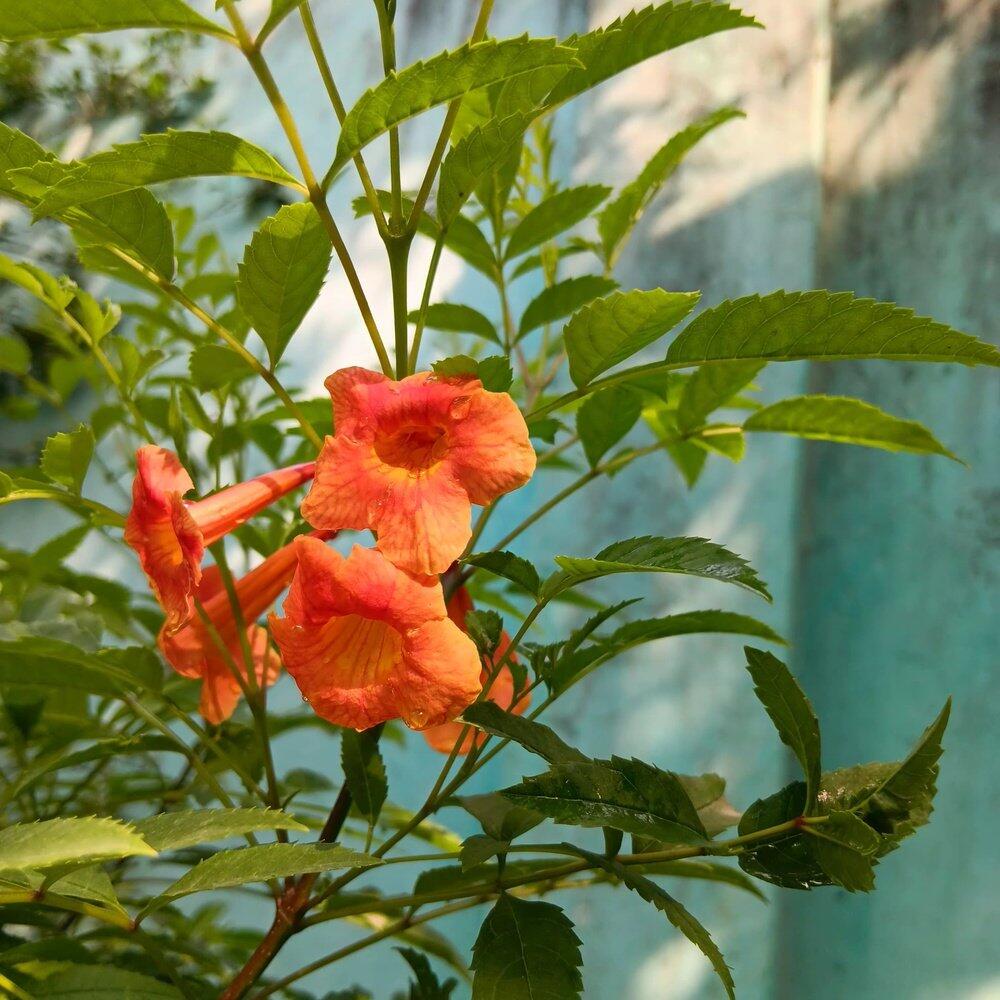
Trumpet vine (Campsis radicans), also called trumpet creeper, is a fast-growing native flowering vine that climbs 25 to 40 feet and covers fences and arbors with 3-inch orange-red trumpet flowers from June to September. Trumpet vine is hardy in USDA zones 4–9 and blooms best in full sun. TN Nursery ships bare-root trumpet vine plants, Buy 1 Get 1 Free.
Trumpet vine is a woody, deciduous climber in the trumpet creeper family, Bignoniaceae, native to the eastern and central United States from New Jersey and Iowa south to Florida and Texas. Gardeners also call trumpet vine trumpet creeper, hummingbird vine and American trumpet vine. The vine climbs with small aerial rootlets that grip wood, stone and brick, so trumpet vine fills a fence, arbor, pergola or post quickly with lush, glossy foliage and bold summer color.
Trumpet vine grows fast, often adding 10 feet or more of new stems in a single season once established, so one plant can cover a fence section or arbor in 2 to 3 years. Trumpet vine is one of the quickest native vines for summer shade and screening.
Plants put down roots the first season and then climb rapidly. A row of trumpet vines set 6 to 10 feet apart along a fence joins into a solid green screen covered in orange flowers.
Trumpet vine blooms from June through September, with the heaviest flowering in July and August. New clusters keep opening at the stem tips all summer, so trumpet vine stays in color for three months or more.
| Season | What trumpet vine does |
|---|---|
| Spring (April–May) | glossy new leaves cover the support |
| Early summer (June) | first orange-red trumpets open |
| Midsummer (July–August) | peak bloom and peak hummingbird visits |
| Late summer (September) | final flowers and long seed pods form |
| Fall (October) | leaves turn yellow |
Yes. Hummingbirds love trumpet vine, and ruby-throated hummingbirds return to the same vine every summer because the long, orange-red trumpets hold plenty of nectar and match a hummingbird's bill perfectly.
A blooming trumpet vine near a porch or window gives a front-row view of hummingbirds feeding from morning to dusk. Bumblebees also crawl into the open trumpets for nectar.
Plant trumpet vine in full sun, at the base of a sturdy, freestanding support such as an arbor, pergola, fence or post. Trumpet vine grows in part shade too, but 6 or more hours of sun gives the most flowers.
Trumpet vine thrives in almost any well-drained soil, from clay to sand, acidic or alkaline, and handles heat and dry spells once established. A strong wood or metal arbor shows off the flowers best and gives the woody stems room to climb.
Prune trumpet vine in late winter or early spring, before new growth begins, because trumpet vine flowers on the current year's new stems. Cut side shoots back to 2 or 3 buds to shape the vine and encourage more flower clusters.
Hummingbird and pollinator flowers grow well with trumpet vine. Plant red cardinal flower and bee balm near the base of the support, and add echinacea and orange daylily for more summer color. Virginia creeper pairs with trumpet vine on long fences for red fall color. Building a hummingbird garden from scratch? Our 10 Hummingbird Plants package is a simple way to start. Find more climbers in our climbing vines collection.
Plant bare-root trumpet vine with the crown at soil level and the roots spread in a hole 8 to 12 inches deep, about 12 inches from the base of the support. Water well and keep the soil moist for the first few weeks.
At our Altamont, Tennessee nursery, we dig trumpet vine and ship the plants bare root, with no soil around the roots, so the vines are light to ship and quick to plant.
Botanical Name: Campsis radicans
Plant Family: Bignoniaceae (trumpet creeper family)
Ships: Bare root
Planting Zone: 4–9
Height at Maturity: Climbs 25–40 feet
Spread: 5–10 feet on a support
Spacing: 6–10 feet apart along a fence
Sun or Shade: Full sun for the most flowers; grows in part shade
Water Needs: Moderate; drought tolerant once established
Soil: Any well-drained soil, clay to sand, acidic or alkaline
Bloom Season: June–September
Flower Color: Orange to red
Native Range: Eastern and central United States
Care: Water weekly the first season. Prune in late winter, cutting side shoots back to 2–3 buds.
Plant Attributes: Fast-growing, hummingbird favorite, deer resistant, heat and drought tolerant, covers fences and arbors quickly
Yes. Trumpet vine and trumpet creeper are two common names for the same native plant, Campsis radicans.
Trumpet vine climbs 25 to 40 feet on a tall support and stays fuller and lower when pruned each winter.
Trumpet vine flowers best in full sun with 6 or more hours of light, and trumpet vine also grows in part shade.
Deer rarely browse trumpet vine, so trumpet vine stays full and green in yards near woods.
Yes. Trumpet vine is native to the eastern and central United States, from New Jersey and Iowa south to Florida and Texas.
Trumpet vine grows in USDA hardiness zones 4 through 9.
TN Nursery has grown hardy native plants since 1959, more than 65 years of experience, and has supplied plants to major U.S. landmarks like the Washington Monument and Arlington National Cemetery. At our Altamont, Tennessee nursery, we grow, dig and ship trumpet vine to gardens across the country. Each order is packed bare root so the roots settle in quickly and the vine starts climbing. Want to learn more first? Read Master the Art of Caring for the Trumpet Vine, How to Attract Hummingbirds to Your Garden and Trellis Climber Vines on our garden blog, or browse our pollinator plants.

Since 1959, TN Nursery has grown and shipped quality bare root plants nationwide. Shipped during dormancy, bare-root plants develop strong root systems and establish quickly. Our experienced team carefully harvests and packages every order, providing growers with trusted plants backed by over 65 years of nursery experience.
Learn More About
Bare root trees
Striking Flowers:
The Trumpet Vine boasts large, trumpet-shaped flowers that add a dramatic burst of color and beauty to your landscape.
Fast Growth:
This vine grows quickly, making it an excellent choice for rapidly covering trellises, fences, or arbors with lush greenery and vibrant blooms.
Attracts Hummingbirds:
The bright, tubular flowers are a magnet for hummingbirds, adding life and movement to your garden while supporting local wildlife.
Multiple Uses:
Ideal for creating natural privacy screens or adding vertical interest, the Trumpet Vine’s vigorous growth allows it to adapt to various garden settings.
Fall Digging
Spring Digging
Packing Orders
Customer Unboxing Video
Product Highlight
I'm really happy with my Trumpet Vines. They are growing well and have beautiful blooms.
My Trumpet Vine has been absolutely gorgeous! It grew beautifully and produced so many bright blooms—the hummingbirds visit it constantly, and I couldn’t be happier with it.
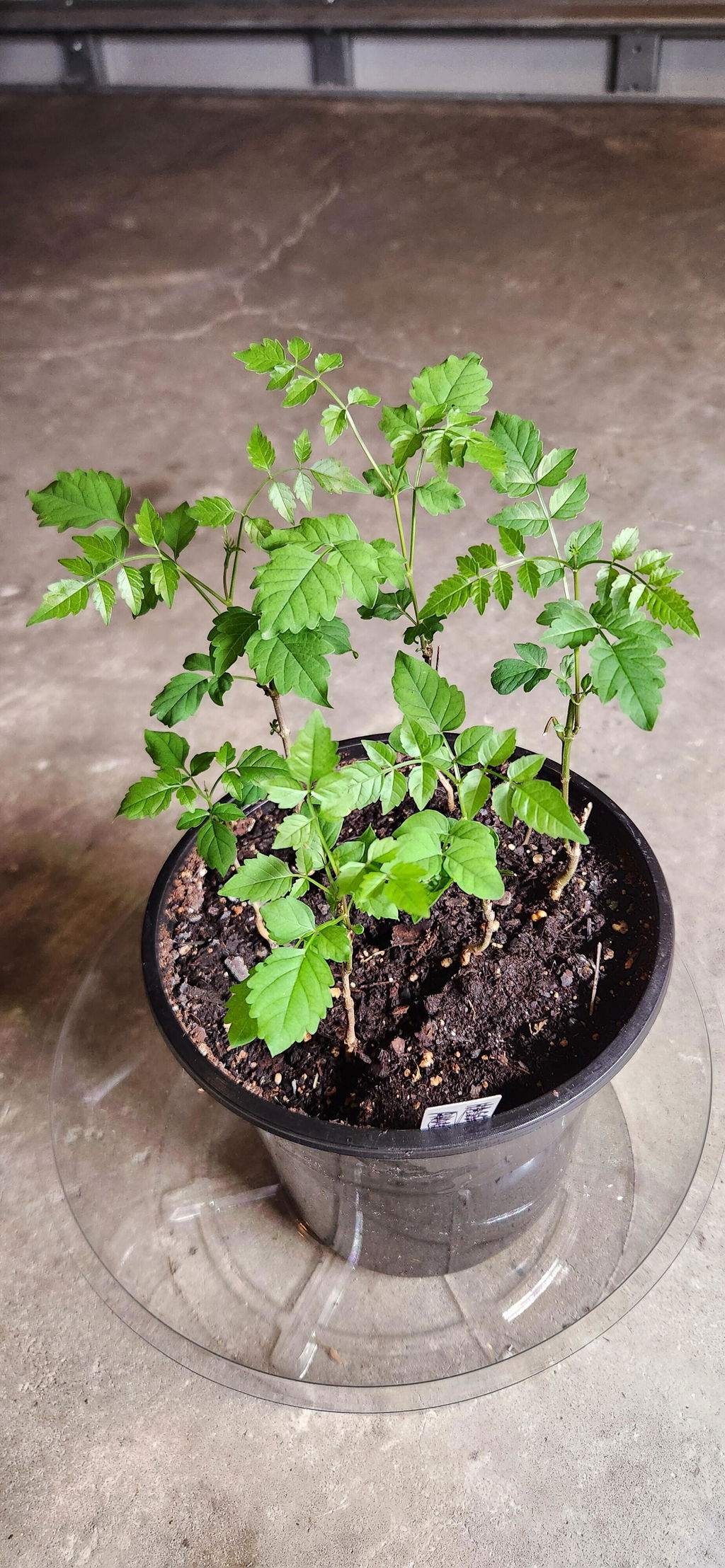
Received my 3 trumpet vine bareroot plants on the 26th og March, I planted them the same day and today on April 23rd they all are doing well.....
Bare root plants arrived a day before scheduled, reasonable priced, healthy plants that’s grown some leaves & it’s been about a week since I planted them. Very happy with my purchase, Ty!
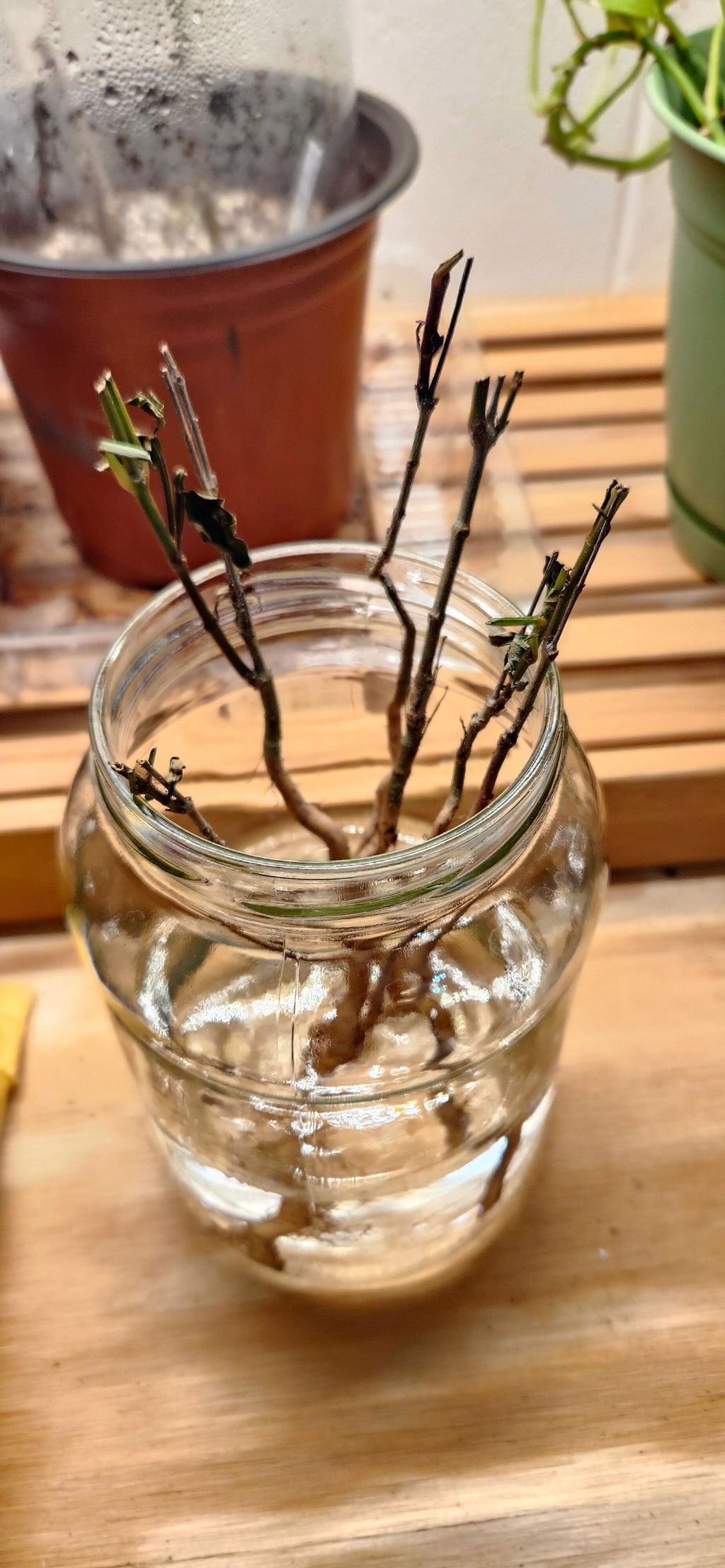
Received them as bareroot on May 18 and put them in water right away. The next day I put them in soil. Eleven days later they are flourishing very well. Very happy with this order.
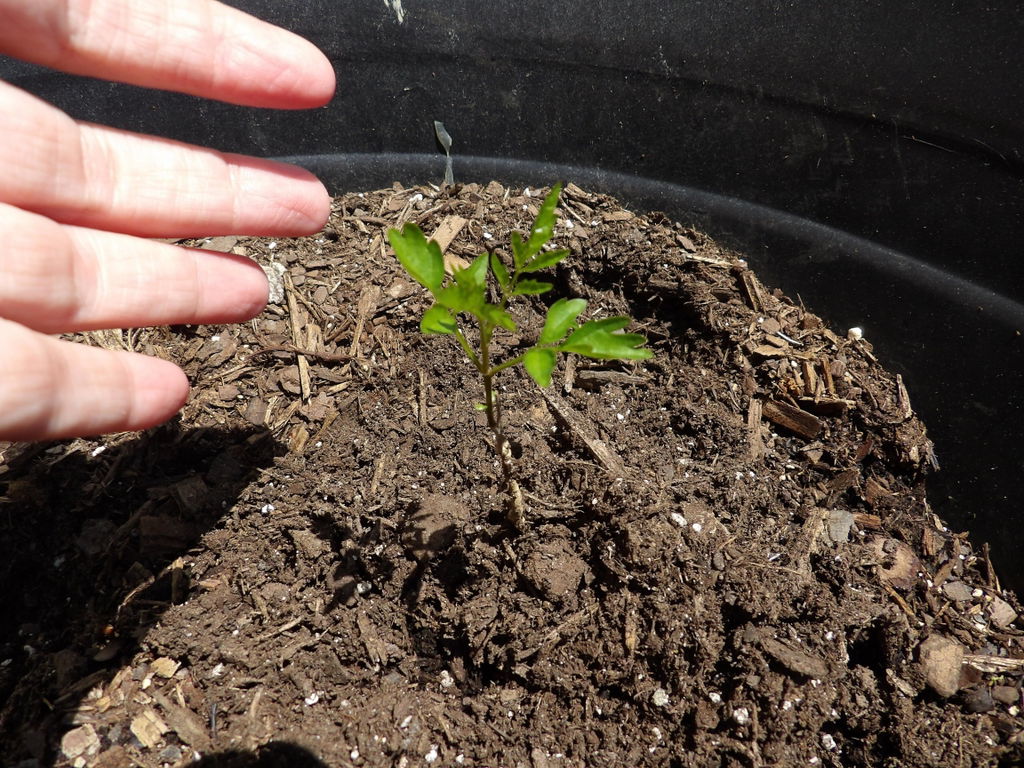
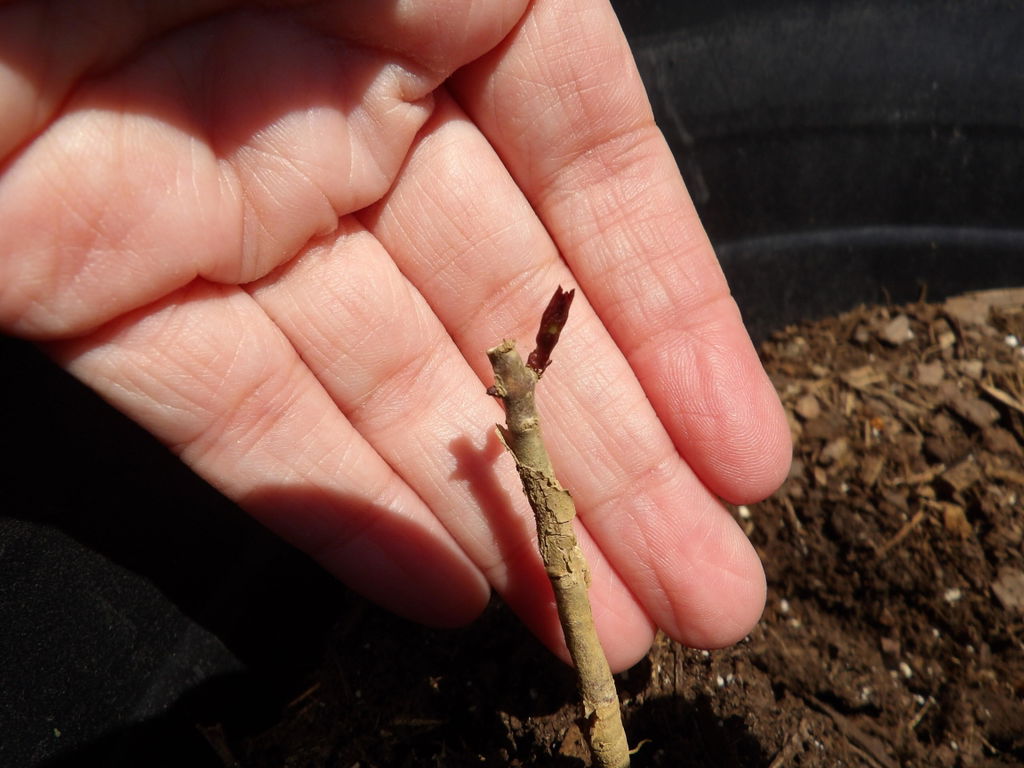
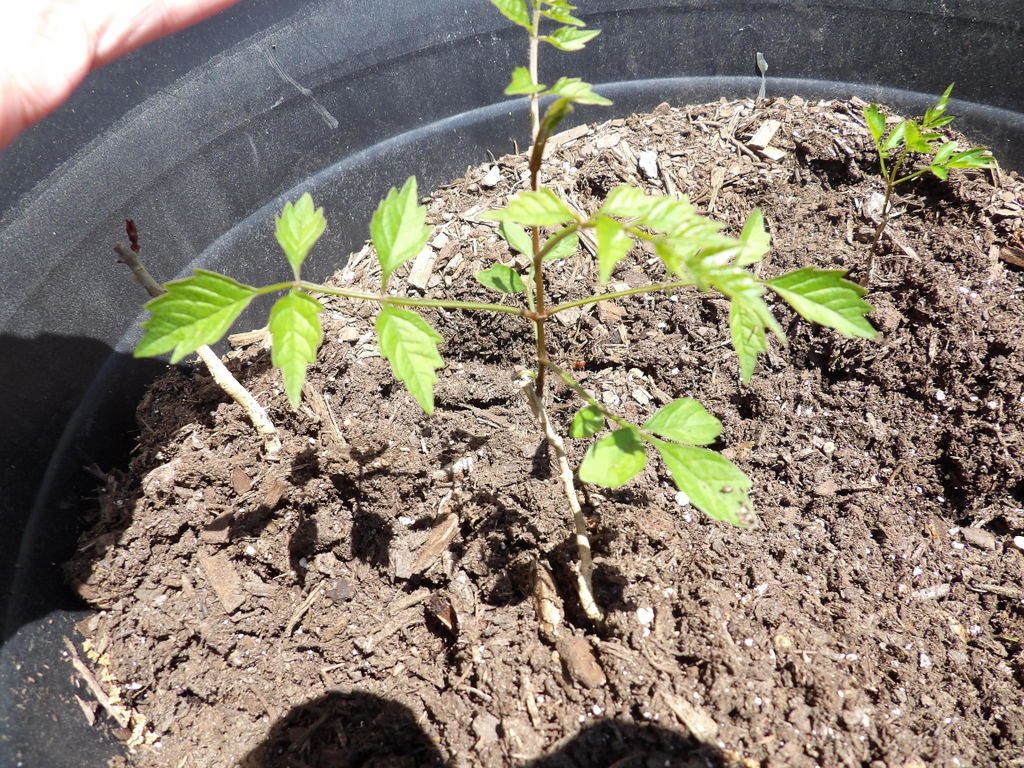
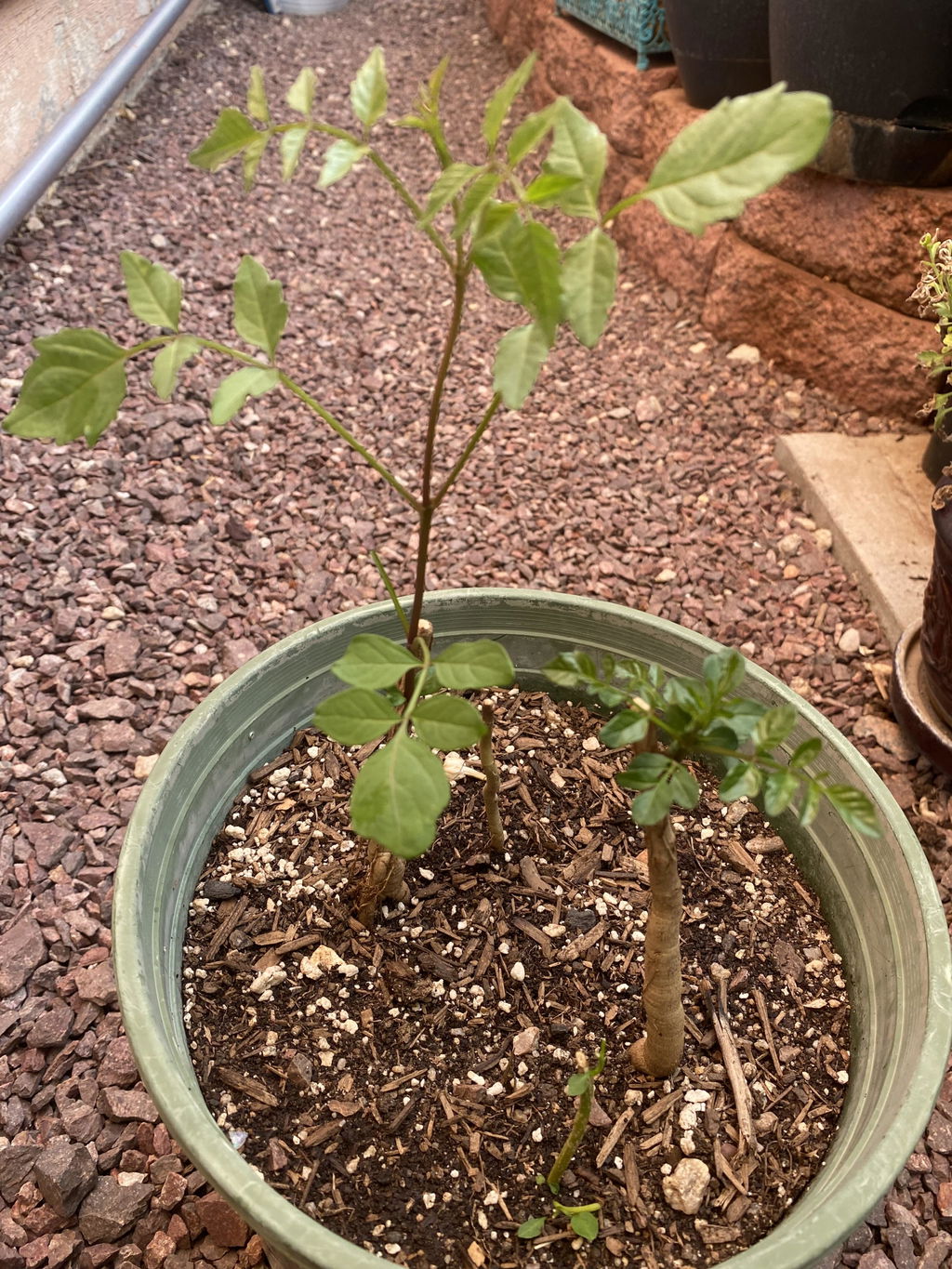
I purchased three bare root trumpet vine plants. I was a bit skeptical since they were very skinny vines, and all the leaves were brown and root ball was not big at all. The paper that wrapped the roots were moist, so I planted them in different parts of the yard. To my surprise, it started to grow new leaves within 10 days. TN Nursery also added a couple extra vines, so I put them in a pot as a backup. I am looking forward to seeing all the beautiful flowers which attract hummingbirds.
I am so happy I took the chance with these instead of any other vine! All of them (I got a few more than ordered-so thank you) are looking wonderful! I cannot wait to see them all grow and bloom!!!
I don't know if they normally send extra bare roots, but they sent me some. I'm thinking it's to make sure you have viable ones. They all look good and I will definitely do business with this company again 😁
I've only had my plants about 3 weeks, they are already sprouting all over! I'm so excited! I can't wait for this plant to start flowering, as they smell so good! I'm also looking forward to the hummingbirds!Thank you TN nursery!
I planted this vine a month ago and already have hummingbirds visiting daily. Healthy, vibrant plant from TN Nursery.
This Trumpet Vine came fresh and strong. It’s climbing beautifully and will be stunning once in full bloom. Highly recommend.
My Trumpet Vine is thriving! It’s already producing buds and I can’t wait for the bright orange blooms to cover my fence.
I was impressed with the packaging. The vine arrived without any damage and is settling in well in my garden.
The Trumpet Vine is healthy but grows slower than I expected. Looking forward to the blooms.
It was a little droopy when it arrived, but after planting it perked up. Now I see steady growth every week.
The Trumpet Vine came in good condition and has already started climbing my trellis. I can’t wait for the flowers to show.
I thought I bought 10 trumpet vines. What came was a packet of tiny little roots with just a little foliage in a plastic bag. I planned to plant now in MA, but there's no way these things will live through the winter. Will attempt to keep them as houseplants until the spring but not optimistic.
I ordered two trumpet vines from TN Nursery, and both arrived in excellent condition. They are fast growers and look stunning in my landscape.
The trumpet vine from TN Nursery exceeded expectations. Hummingbirds visit daily, and the plant is thriving with little maintenance. Beautiful addition to my garden.
I couldn’t be happier with my trumpet vine purchase from TN Nursery. It has filled my fence with lush greenery and vibrant flowers. Great price for such a healthy plant.
My trumpet vine came securely packaged with moist roots. It is thriving in my backyard and climbing quickly. TN Nursery truly delivers quality plants.
TN Nursery made ordering easy, and my trumpet vine arrived in perfect condition. The vine is already spreading beautifully across my garden trellis. Highly recommend!
The trumpet vine I received from TN Nursery had strong roots and started climbing within days. The bright orange blooms are stunning and attract hummingbirds just as promised.
I ordered a trumpet vine from TN Nursery, and it arrived fresh, well-packed, and ready to plant. Within weeks, I noticed healthy growth and vibrant leaves. Excellent quality and fast delivery.
It’s rare to find online plant nurseries that deliver such high-quality vines, but TN Nursery exceeded my expectations. The Trumpet Vine arrived packaged with care, the roots were healthy, and the growth was impressive from day one. This flowering vine is now thriving in my landscape.
I couldn’t be happier with the Trumpet Vine I ordered online. TN Nursery delivered strong, healthy plants that adapted right away. Within just a few months, they started climbing my pergola and filling it with eye-catching blooms. This is exactly what I wanted for my backyard.
I needed a fast-growing flowering vine to cover my fence, and TN Nursery’s Trumpet Vine was the perfect solution. It established quickly, and the vibrant flowers stand out beautifully. It’s one of the best climbing vines I’ve ever planted, and I’ll definitely order more.
I’m thrilled with my Trumpet Vine purchase from TN Nursery. The plants arrived in excellent condition and are now full of energy, producing lush foliage and bold blooms. The hummingbirds can’t stay away from the flowers. These vines are the highlight of my garden.
The Trumpet Vine plants I ordered from TN Nursery were vibrant, pest-free, and ready to plant right away. They grew fast and have already started producing gorgeous orange blooms. It’s the perfect flowering vine for anyone who wants a hardy, low-maintenance climber.