
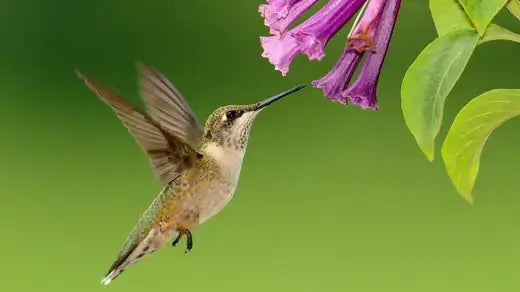
How to Attract Hummingbirds to Your Garden
The easiest way to first attract hummingbirds is to plant a variety of hummingbird-attracting‚ tubular‚ nectar-rich flowers in red‚ orange, and pink‚ followed by having a cleaned feeder and a water source that they can actually use․ If you've done everything correctly‚ the earliest hummingbirds should show up in two to three weeks‚ after the flowers bloom․ Sooner if migratory birds have already arrived․
During the Ruby-throated Hummingbird migration through Tennessee‚ birds start to arrive in early April in the southern points of the state․ Ruby-throated Hummingbird numbers are greatest throughout the summer, and another group migrates through in September․ If you haven't put anything in the garden when they're tracking up‚ they'll keep flying until they find something better․ A lot of general guides tend to gloss over this․
Plant for Continuous Bloom‚ Not Just One Season
A June-only flowering may not be enough to attract or hold hummingbirds․ A true hummingbird garden in Tennessee (Zones 6b-7b) should have a range of flowers blooming from mid-April until the first frost in mid-October․
Now‚ as to Salvia‚ I think it is the workhorse here․ The Salvia guaranitica and Salvia splendens both bloom for months if you deadhead them‚ and the hummingbirds treat them like gas stations․ Cardinal Flower (Lobelia cardinalis)‚ also a perennial native to the United States‚ is well-suited for the often-damp‚ shady spots found in many Tennessee yards near downspouts or in low spots‚ conditions that many other flowering perennials shun․
Bee Balm (Monarda) spreads and should be kept away from things you want to keep‚ but it blooms for a long time‚ smells delightful‚ and will draw hummingbirds to your yard․ Trumpet Vine is another native plant that should come with a warning: it'll take over a fence or arbor and cover it in two growing seasons if you don't control it․ Great for hummingbirds‚ plant it if you don't mind it spreading․
The better-behaved climbing vine‚ the Coral Honeysuckle Lonicera sempervirens‚ blooms earlier in spring and thus has an advantage in catching those migrants arriving in April․ Red Hot Poker‚ Columbine, and Penstemon round out a solid perennial list․ Columbine especially, is important to provide nectar when few other flowers are available for the early arrivals‚ since it starts to bloom in spring․
Fuchsia plants will grow in containers or in the shade‚ but need constant watering and some afternoon shade to survive the heat of July in Tennessee․ Another heavy bloomer‚ The Butterfly Bush‚ might be intrusive in parts of the Southeast; check with your county before planting․ If you are near a natural area‚ Joe-Pye Weed or a native Honeysuckle may be a better bet‚ but at least you won't be taking a risk․
If you'd like a whole season of color and don't want to have to track down and buy a dozen different plants‚ TN Nursery perennial packages are built around bloom succession‚ and ideal bloom periods for your area‚ so you don't have to live without flowers while your plants come and go․
Feeders: The Part Most People Get Wrong
While they are no substitute for plants‚ feeders can help give your pollinators more flowers to visit in the early spring when flowers can be very scarce or during nectar shortages․
The recipe uses one part white granulated sugar to four parts water‚ with no red dye‚ honey‚ or artificial sweeteners․ While sugar can be heated to dissolve and sterilize the solution‚ it must be cooled before being added to the feeder․ The mixture spoils quickly in Tennessee heat‚ and should be replaced every 3-4 days in temperatures above 85 degrees‚ and every 5-7 days in cooler temperatures․ A feeder with cloudy or stringy nectar is worse than no feeder at all‚ since it can be toxic to the birds․
Hang hummingbird feeders in partial shade to minimize fermentation․ It is also best to place the feeder near a cover‚ such as a bush or small tree‚ where the hummingbird can perch and observe potential threats while not at the feeder․ Several widely spaced feeders are better than several in the same area; otherwise‚ the ensuing territorial disputes will drive away otherwise attracted hummingbirds․
Water Sources They'll Actually Use
Unlike other birds‚ hummingbirds do not use birdbaths‚ as the water is too deep and does not move․ Suitable water sources are misters‚ drippers‚ or a shallow saucer with less than an inch of water and a few flat rocks for the birds to rest upon․ Misting attachments that produce a fine spray a few inches away from the leaves are even better‚ as the birds usually take a midair bath as they fly through the mist‚ rather than stop to sit․
Skip the Pesticides
This is a commonly recommended fact‚ but rarely well explained‚ the hummingbirds don't only consume nectar; small insects and spiders comprise an important part of their food supply‚ especially when feeding chicks․ Broad-spectrum pesticides will wipe out that food source‚ and may poison the birds that eat the insects․ When aphids or other pests attack‚ spot treat affected plants with insecticidal soap rather than spraying the entire garden․
Give Them Something to Nest Near
This is where many guides fall short․ Hummingbirds make small nests‚ often on a downward-angled branch on a small tree or large shrub‚ perhaps located near your flower beds‚ but not in flowers․ They will use a small tree or shrub like a dogwood or viburnum for either nesting or shelter from the wind and predators․ A garden that is totally perennial flowers without woody plants is an unlikely place to find a nest․ These birds love to visit garden flowers but do not usually nest there․
Realistic Timeline
If you plant in spring (after your last frost date‚ which is usually around the middle of April in the Middle Tennessee area)‚ you may see your first hummingbirds in the following weeks if flowering plants are in bloom in your neighborhood․ A full garden's worth of plants that are mature enough to be a really true nectar source and not just a token gesture would take a full growing season․ For slower perennials‚ such as Penstemon‚ this might take two․
It may take a little while․ A garden planted in May might not attract a hummingbird until the next summer‚ but by then‚ when everything is starting to fill in‚ and the feeders are tuned up and operating‚ you should get regular visitors from April until the fall migration․
"

