
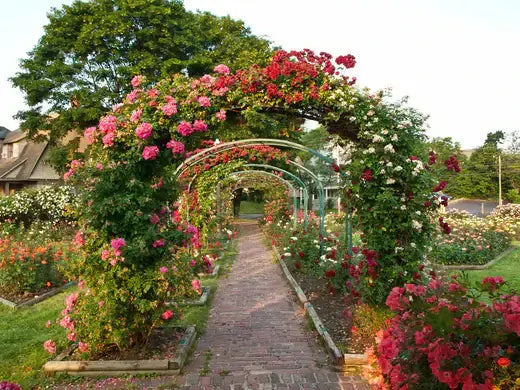
Exploring the Beauty of Trellis Climbers
Trellis climbing vines that defy gravity are a wonder of the garden․ No other plant brings such an attractive dimension to a garden or gives such a beautiful texture to the house as these plants․ They can be soulful adornments‚ transforming garden trellises and fences‚ or the caps and walls of our houses․ Climbing plants‚ with their winding stems and decorative leaves‚ provide a splendidly graceful way of establishing privacy‚ shelter and peace between the home and the outside world․ Understanding the different types of climbing vines suitable for the home garden and the way in which they grow will provide gardeners with the information they need to use them to best advantage․
Climbing plants or vines are highly diverse‚ and there are many species suitable for gardens․ Other popular climbing plants include sweet peas and morning glories which provide colorful flowers and can tolerate full sun‚ and wisteria and climbing roses which are prized for the cascades of flowers they produce in purple‚ pink‚ and white․ Often‚ those plants are grown over trellises․ However‚ the climbers may also be chosen because their foliage is evergreen‚ such as some varieties of climbing jasmine and honeysuckle‚ to provide almost continuous cover and fragrance in a garden․ Climbers have a natural ability to adapt to their environment‚ so choosing the right one for a specific space is important․
The growth rates and habits of climbing vines are just as varied as their appearances․ Some are relatively slow-growing and non-aggressive in their use of supporting trellises and other structures․ Others are more aggressive in their growth and can quickly cover large amounts of space․ Some‚ such as the English ivy‚ attach roots to surfaces‚ while others‚ such as the climbing hydrangea‚ twine or cling with tendrils․ The needs for pruning and care differ considerably between these types of climber‚ and it is important for the gardener to know which type of plant they are cultivating․ Slow-growing or less intrusive plants are more suited to small gardens while those who like a challenge may prefer fast-growing species and hybrids․
Poplar Climbing Vines
Some of the most popular climbing plants have practical uses alongside their ornamental ones: the star jasmine‚ for example‚ smothers walls in a thick blanket of vegetation while wafting an intoxicatingly pungent smell all around it․ The grapevine is one of the most common ornamental climbing plants‚ not just for its harvest of edible fruit but for its beautiful summer foliage when grown over a pergola or some other type of garden structure․ A similar plant is the clematis‚ another flowering plant appreciated for its various showy blooms‚ though they will range from purple to blue throughout summer․ Both flowers are prized for their unique flavors and appearances and popularity among gardeners often places them side by side․
Color and beauty are easily incorporated to a garden with climbing vines‚ but these need care and merit attention to maintain their shape․ Most of the climbing plants need regular pruning to control their growth and to yield more flowers and foliage․ Although some of the varieties may need to be tied to their supports‚ as the plant matures it should become self-supporting․ At times the gardener may need to watch for certain pests and disease organisms‚ as some of the climbing plants are quite susceptible to blight or similar infestation․ If sufficient knowledge is acquired regarding the cultural requirements of each type of vine‚ such conditions can be established as to make that vine a valuable landscape addition․
Importance of Climbing Vines
The importance in the garden design of the ornamental importance of climbing and trailing plants cannot be overstated․ They contribute to the environment and sense of inquiry‚ and can visually contribute to the composition of other plants․ Their climbing‚ tumbling or trailing habits allow them to do this․ An ideal climbing vine could be the centerpiece‚ inviting the visitor to linger and talk: a honeysuckle-filled summer evening patio with the vines forming an arch over a table and chairs․ In this way‚ trellis climbers not only beautify a garden but also create stories and memories intertwined with their lush growth‚ improving not just our surroundings but also our lives․
In summary‚ trellis climbing vines add beauty‚ utility‚ and interest to any garden or home exterior‚ helping to weave a green mosaic and a story of creation in the world around us․ With the right vine‚ knowledge of its natural habitat‚ and a little basic maintenance‚ the best results can be obtained from these wonder workers of the garden․ These climbers can change the ordinary into the extraordinary‚ and are part of the sublime creativity of nature․ So whether you want to create a serene getaway or an exuberant paradise‚ coaxing these natural climbers into your cause will reward you with a veritable bounty of blossoms that will last for months․


