Native Plants for Ecological Restoration
Restoration work asks different questions than landscaping does. The goal is a functioning system: soil that holds, water that filters, and habitat that supports the insects and birds that belong there. That starts with regionally appropriate native plants in enough quantity to establish. TN Nursery has supplied restoration projects from our 170-acre Tennessee farm since 1959.


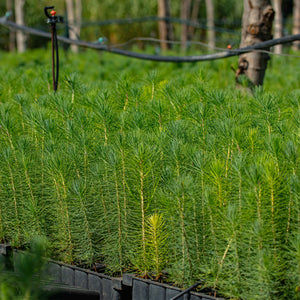
Pinus Taeda - Loblolly Pine Seedlings
From$79.99


Quercus Pagoda - Cherry Bark Oak Seedlings
From$91.99


Showing 24 of 56 ecological restoration plants
Show more ecological restoration plantsWhat customers say about our ecological restoration plants
 Pinus Taeda - Loblolly Pine Seedlings★★★★★4.88 out of 5 · 16 reviews
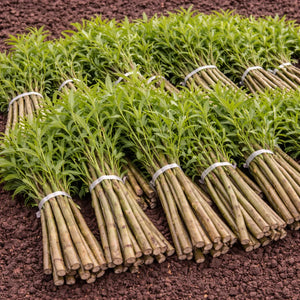
 Black Willow Live Stakes★★★★★4.89 out of 5 · 9 reviews
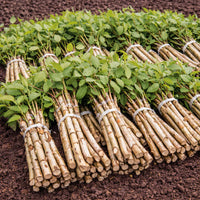 River Birch Live Stakes★★★★★4.6 out of 5 · 5 reviews
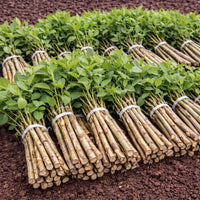 Hydrangea Live Stakes★★★★★5.0 out of 5 · 5 reviews
What Restoration Plantings Need
Three things matter most. Genetic appropriateness, meaning plants from the region rather than cultivars selected for ornamental traits. Density, because restoration plantings succeed by covering ground quickly enough to hold soil and resist weed pressure. And root structure, since the deep fibrous root systems of native species are what rebuild soil and anchor banks.
Plants for Streambank and Slope Work
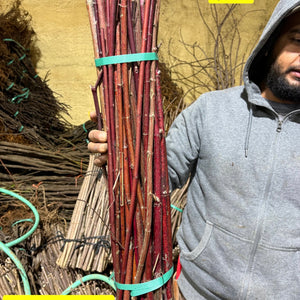
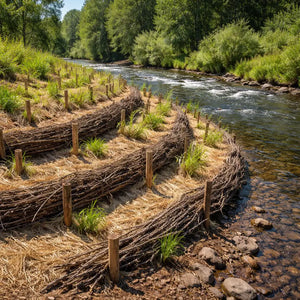
Live stakes are the workhorse of streambank restoration: dormant cuttings of black willow, silky dogwood, buttonbush and elderberry that root directly into wet soil with no container or root ball. They are inexpensive, install fast, and establish deep anchoring roots within a season. See live stakes.
On slopes above the waterline, deep-rooted perennials and grasses hold the surface between woody plantings. For saturated ground, see wetland plants.
Rebuilding Habitat
A restored site supports wildlife in proportion to the native plants in it. Oaks host more caterpillar species than any other North American tree genus, and caterpillars are what nesting songbirds feed their young. Milkweed is the only host for monarch caterpillars. Native berry producers like elderberry, chokeberry and viburnum carry birds through fall migration. See native trees and pollinator plants.
Planning a Restoration Order
Plant in dormancy, fall through early spring, when bare root stock and live stakes install best and roots get a full season before summer. Order in quantity; restoration densities run far higher than ornamental planting, and covering ground fast is what keeps a site from reverting.
We grow and ship nationwide and can supply project-scale quantities. See our planting instructions.
Restoration Planting Questions
What are live stakes?
Dormant woody cuttings driven directly into wet soil, where they root on their own. Standard practice for streambank and erosion work.
When should restoration plants be installed?
During dormancy, fall through early spring. Live stakes in particular must be installed dormant to root properly.
Why use native plants for restoration?
They are adapted to local conditions, develop deeper root systems, and support the insects and birds that evolved alongside them.
How densely should a restoration site be planted?
Far more densely than ornamental planting. Fast ground cover is what holds soil and limits weed establishment.
Can you supply large quantities?
Yes. We grow on 170 acres and regularly supply project-scale orders. Contact us for quantity pricing.
TN Nursery has grown native plants in Altamont, Tennessee for three generations. Every plant is guaranteed to arrive alive.
Buying ecological restoration plants online: what to know
Start with your zone. Every ecological restoration plant on this page shows the zones it thrives in, so one marked for your zone is ready for your winters and summers.
Plan for the grown-up ecological restoration plant
Check the mature height on each card before you choose a spot, so every ecological restoration plant has room to stretch as it grows.
Bare root, ready to plant
Bare root plants arrive freshly dug and packed ready for planting. Soak the roots, set the ecological restoration plant at the depth it grew, and water it in well. Most thrive in well-drained soil and a few inches of mulch.
Ask a grower
Want a second opinion? Call our growers at 931-692-4252, or read the warranty page to see how our live-arrival guarantee works.
Ecological Restoration Plants for sale: questions
Do you ship ecological restoration plants outside Tennessee?
Yes. We grow in Tennessee and ship nationwide.
How do the ecological restoration plants arrive?
Each product page says how it ships. Bare root plants arrive freshly dug and packed ready for planting.
Is there a guarantee?
Every order comes with our live-arrival guarantee. See the warranty page for the details.
How do I pick a ecological restoration plant for my zone?
Set your zone at the top of the page and turn on the zone switch. Every card shows the zones the ecological restoration plant thrives in.
Not sure which ecological restoration plant is right?
Talk to a grower at our Tennessee nursery. Tell us your zone and your yard, and we will help you choose a ecological restoration plant that thrives there.
Why buy ecological restoration plants from TN Nursery
Grown since 1959
A family-owned Tennessee nursery, growing plants for generations of gardeners.
Freshly dug, bare root
Dug and packed ready for planting, so roots settle in fast.
Shipped nationwide
We grow in Tennessee and ship nationwide.
Live-arrival guarantee
Every order comes with our live-arrival guarantee.