TN Nursery 2026 Planting Report, published November 2026. Every year we ship native trees, shrubs, ferns and wildflowers from our Tennessee nursery to every corner of the country. This year we looked at what those orders say about how Americans are gardening. We grouped our 2026 orders (January 1 to November 22) by shipping state and compared them with the same dates in 2025. The short version: America has fallen for the pawpaw, perennials are taking over, and more people than ever are planting in the fall.

Share this infographic
FacebookPinterestXLinkedInEmailWant it on your website? Scroll down for the free embed code.
Key findings at a glance
- Pawpaw was the #1 tree in 41 of 50 states. It was also the most-ordered plant of any kind in 15 states.
- Pawpaw orders grew 151% over 2025, roughly twice as fast as our overall plant sales.
- Fall planting grew in every region. August–November orders rose 108% in the Midwest, 91% in the South, 86% in the Northeast and 47% in the West.
- Perennials more than doubled and made up about 48% of all plants we sold, up from 38% in 2025.
- The lawn is losing ground. Orders of Pennsylvania sedge, a native lawn alternative, rose almost 1,200%.
Pawpaw is America's favorite tree right now
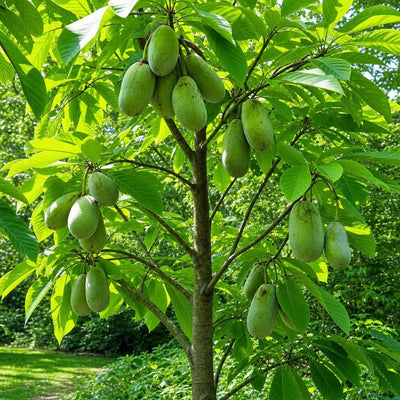
We expected the pawpaw to do well. We did not expect it to top the tree list in 41 states. From Maine to California and Florida to Minnesota, more of our customers ordered pawpaws than any other tree in 2026. In Tennessee, North Carolina, Georgia, Ohio, Pennsylvania, Texas, Virginia and New York, it wasn't close.
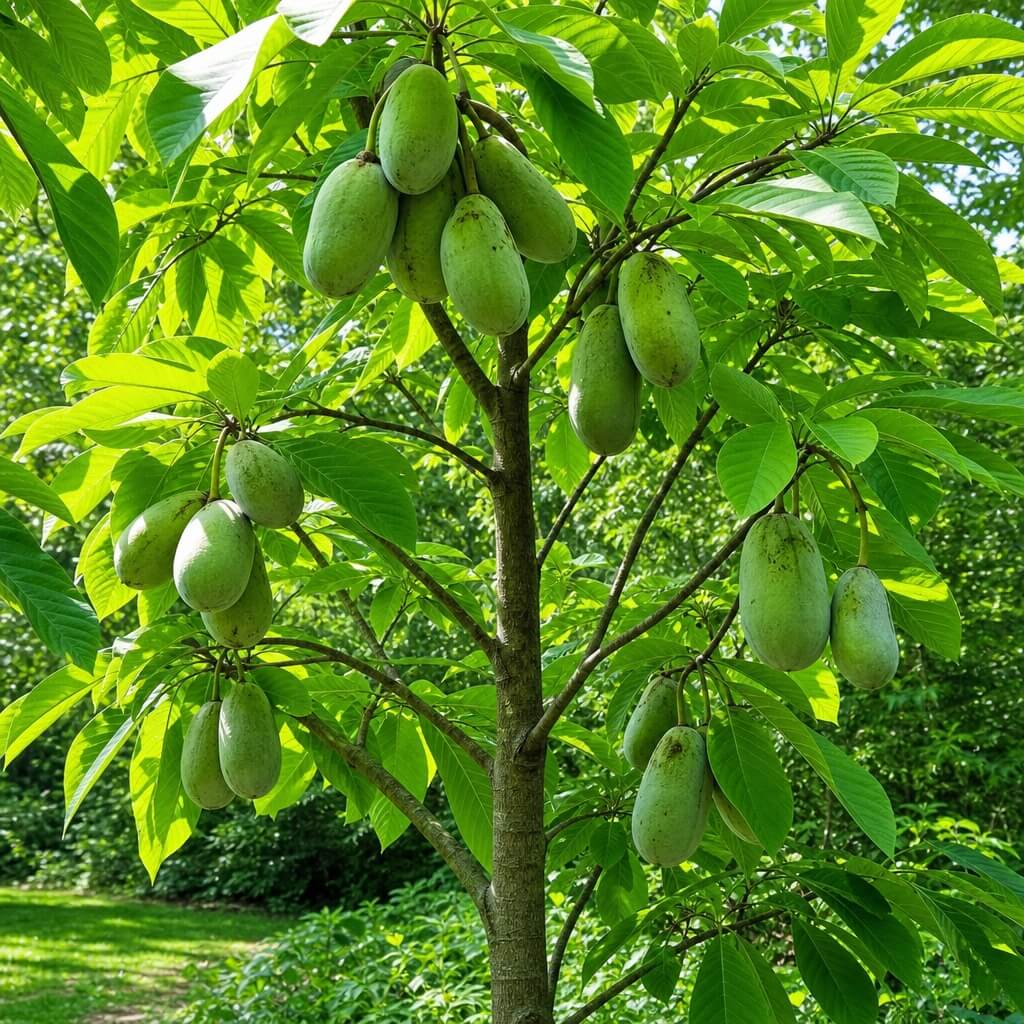
The pawpaw is the largest edible fruit native to North America, with a custard-like flavor often compared to banana and mango. It grows wild in eastern woods but rarely shows up in grocery stores, because ripe fruit bruises within days. That scarcity seems to be the appeal: people who want to taste one increasingly plant their own. Pawpaw orders grew 151% over 2025, and its share of everything we sold rose from 2.6% to 3.8%.
We have a front-row seat to this. Since Roscoe Tate founded TN Nursery in 1959, we have grown about 2 million pawpaw trees from roughly 2 tons of seed on our 170 acres in Tennessee.
The most pawpaw-crazy states
Big states order the most pawpaws simply because they order the most of everything. To find the true pawpaw fans, we measured pawpaws per 1,000 plants ordered in each state. By that measure, the top 10 are:
- Louisiana (67 per 1,000; pawpaw orders up 188%)
- West Virginia (57; up 115%)
- Kentucky (54; up 204%)
- Kansas (50; up 108%)
- Ohio (50; up 171%)
- Rhode Island (48; a small number of orders, but up sharply)
- Mississippi (47; up 144%)
- Arkansas (47; up 193%)
- Oklahoma (46; up 208%)
- Alabama (46; up 136%)
Ohio's showing makes sense: the state hosts the long-running Ohio Pawpaw Festival and named the pawpaw its official native fruit. Louisiana and Mississippi sit at the southern edge of the tree's range, where gardeners may be rediscovering a fruit their grandparents knew.
Where pawpaw didn't win
Nine states broke the pattern, mostly in the dry West and the northern Plains, where pawpaw's love of moist, rich soil makes it a harder fit:
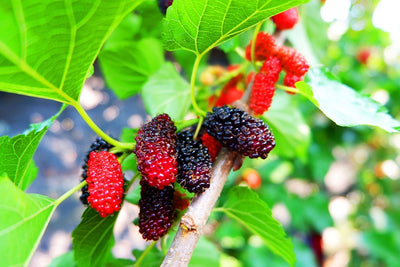
- Mulberry led in Arizona, Wyoming and South Dakota.
- Apple led in New Mexico and North Dakota.
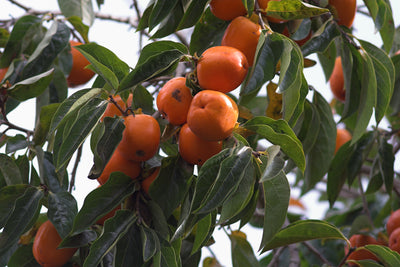
- Persimmon led in Nevada.
- Black walnut led in Montana.
- Alaska, Hawaii and D.C. had too few tree orders to rank.
Notice the theme: almost every state's top tree produces food. Fruit and nut trees dominated our 2026 tree orders, with persimmon, mulberry, apple and peach following pawpaw nationally.
The #1 tree in every state
| State | #1 tree | Runner-up |
|---|---|---|
| Alabama | Pawpaw | Mulberry |
| Alaska | Too few orders to rank | |
| Arizona | Mulberry | Pawpaw |
| Arkansas | Pawpaw | Peach |
| California | Pawpaw | Eastern Redbud |
| Colorado | Pawpaw | Peach |
| Connecticut | Pawpaw | Persimmon |
| Delaware | Pawpaw | White Dogwood |
| District of Columbia | Too few orders to rank | |
| Florida | Pawpaw | Red Crepe Myrtle |
| Georgia | Pawpaw | Persimmon |
| Hawaii | Too few orders to rank | |
| Idaho | Pawpaw | American Arborvitae |
| Illinois | Pawpaw | Apple |
| Indiana | Pawpaw | Persimmon |
| Iowa | Pawpaw | Persimmon |
| Kansas | Pawpaw | Peach |
| Kentucky | Pawpaw | Mulberry |
| Louisiana | Pawpaw | Mulberry |
| Maine | Pawpaw | Peach |
| Maryland | Pawpaw | Persimmon |
| Massachusetts | Pawpaw | Persimmon |
| Michigan | Pawpaw | Apple |
| Minnesota | Pawpaw | Sugar Maple |
| Mississippi | Pawpaw | Mulberry |
| Missouri | Pawpaw | Apple |
| Montana | Black Walnut | Apple |
| Nebraska | Pawpaw | Apple |
| Nevada | Persimmon | Pawpaw |
| New Hampshire | Pawpaw | Mulberry |
| New Jersey | Pawpaw | Peach |
| New Mexico | Apple | Peach |
| New York | Pawpaw | Persimmon |
| North Carolina | Pawpaw | Persimmon |
| North Dakota | Apple | Red Maple |
| Ohio | Pawpaw | Persimmon |
| Oklahoma | Pawpaw | Peach |
| Oregon | Pawpaw | Persimmon |
| Pennsylvania | Pawpaw | Persimmon |
| Rhode Island | Pawpaw | Persimmon |
| South Carolina | Pawpaw | Mulberry |
| South Dakota | Mulberry | Persimmon |
| Tennessee | Pawpaw | Apple |
| Texas | Pawpaw | Mulberry |
| Utah | Pawpaw | Peach |
| Vermont | Pawpaw | Eastern Redbud |
| Virginia | Pawpaw | Persimmon |
| Washington | Pawpaw | Mulberry |
| West Virginia | Pawpaw | Mulberry |
| Wisconsin | Pawpaw | Persimmon |
| Wyoming | Mulberry | Cedar |
Perennials are taking over the yard
Trees still matter, but the biggest growth in 2026 was closer to the ground. Perennial orders more than doubled (up 116%), and perennials made up about 48% of every plant we shipped, up from 38% in 2025. Vines and groundcovers doubled too (up 101%), and ferns rose 88%. Milkweed, purple coneflower, Virginia bluebell, black-eyed Susan and cardinal flower were among our best sellers, a clear sign that gardeners are planting for butterflies, bees and hummingbirds.
2026's rising stars
These plants saw the biggest jumps in orders compared with the same dates in 2025:
- Winterberry holly, up 2,315%. The native holly whose red winter berries feed more than 48 bird species.
- Creeping phlox, up 1,326%. A spring-blooming native groundcover.
- Pennsylvania sedge, up 1,191%. A soft, low native sedge many homeowners now use in place of turf grass in shade. Its share of our sales grew more than sevenfold.
- Rose mallow, up 1,026%. Dinner-plate flowers for wet spots.
- Buttonbush, up 663%. A wetland shrub loved by pollinators.
- Southern magnolia, up 365%.
- Foamflower, up 328%, on top of already strong sales.
Two newcomers also made a splash in their first year with us: the American hazelnut, which became one of our top-selling trees and shrubs, and bee balm.
Fall is the new spring
Spring is still planting season for most people: February through May accounted for 57–62% of orders in every region. But fall is gaining fast. August–November orders rose in every U.S. Census region compared with 2025: up 108% in the Midwest, 91% in the South, 86% in the Northeast and 47% in the West. Fall's share of the year grew everywhere, even with November 2026 only partly counted.
That shift matches what university extension services have said for years: roots keep growing in fall soil after leaves drop, which gives fall-planted trees a head start. (See our guide to tree planting myths for the research.)
How we did this
This report is based on TN Nursery orders shipped between January 1 and November 22, 2026, compared with the same dates in 2025, grouped by the state each order shipped to. We excluded non-plant items such as shipping protection, gift cards and supplies, and orders without a product record. "Units" are individual plants. States with fewer than 30 tree units were not ranked. Percentages compare the same date ranges in each year. These figures describe TN Nursery customers, who skew toward native-plant gardeners, not the entire U.S. nursery market.
Share this report
Journalists, teachers, extension offices and bloggers are welcome to use these findings and the infographic, free, with credit to TN Nursery and a link to this page. Want your state's full numbers, or an interview about pawpaws and native planting? See our press kit or browse our other free infographics.
Share this infographic: copy the code below and paste it into your website, blog or newsletter. It shows the infographic with a credit link to TN Nursery.
<a href="https://tnnursery.net/blogs/garden-blog/what-america-planted-2026"><img src="https://cdn.shopify.com/s/files/1/0687/5634/1034/files/tn-nursery-what-america-planted-2026.png?v=1795385475" alt="What America Planted in 2026 infographic by TN Nursery" width="1200"></a>
<p>Infographic by <a href="https://tnnursery.net/blogs/garden-blog/what-america-planted-2026">TN Nursery</a></p>
Plant the trees America chose in 2026


Ready to plant your own? Browse our pawpaw trees, native trees and fruit trees.