Birding Plants
Shop plants that attract birds and hummingbirds from TN Nursery: dogwood, mulberry, trumpet vine and berry shrubs for food and cover. Grown in Tennessee since 1959.


Showing 9 of 63 birding plants
Show more birding plants
 pollinator Plants
 Butterfly Plants
 Birding Plants
 Deer Resistant Plants
 Drought Tolerant Plants
 Privacy
 Food Plot Plants
 Edible Plants
 Fragrant Plants
 Live Tree Stakes
 Saplings & Seedlings
Shop native trees, shrubs, and flowers that attract birds with berries, seeds, nectar, and nesting cover, grown on our Tennessee farm since 1959 and shipped straight to your door. Filter by plant type, zone and sun to build a bird-friendly yard that feeds birds all year.
Buy Plants That Attract Birds From a Tennessee Nursery
Feeders help, but plants do far more. Birds need berries and seeds through fall and winter, nectar for hummingbirds in summer, and dense branches for cover and nesting. Native trees and shrubs also host the caterpillars that most songbirds feed their young. A yard with layers of trees, shrubs and flowers can attract many more species than a lawn with a feeder. TN Nursery has grown and shipped plants from McMinnville, Tennessee, since 1959, so every plant you order comes from a family farm rather than a warehouse.
How to Choose Bird-Friendly Plants
- What’s your growing zone? Use the zone filter above. Our birding plants cover zones 3 through 9.
- What do you want to feed? Berry shrubs and trees feed robins, bluebirds, catbirds and waxwings. Seed heads feed finches and sparrows. Red tubular flowers bring hummingbirds.
- Do you have layers? Birds use every height. Combine a few trees, a mix of shrubs and a bed of flowers so there’s food and cover at every level.
Trees and Shrubs That Feed Birds
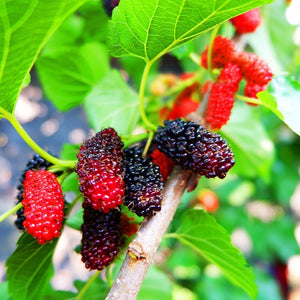
White Dogwood is one of the best bird trees in the East. Its red fall berries are rich in fat, giving migrating thrushes, bluebirds and robins the fuel they need. Mulberry fruits in early summer and draws more bird species than almost any other tree: orioles, cardinals, catbirds, waxwings and woodpeckers. Sugar Maple offers seeds, nesting sites and insect-rich foliage for warblers and vireos. Serviceberry, elderberry and black chokeberry fill the shrub layer with summer and fall berries.
Plants That Attract Hummingbirds
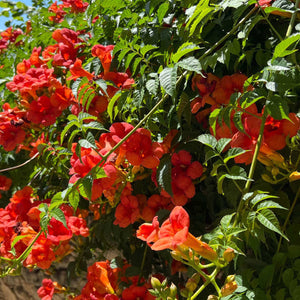
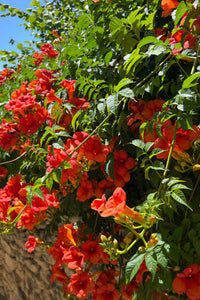
Hummingbirds look for red and orange tubular flowers packed with nectar. Trumpet Vine is the classic hummingbird plant, blooming from early summer into fall. Cardinal Flower brings them to wet, sunny spots in late summer, and Indian Pink feeds them in part shade in early summer. Bee balm adds another long-blooming nectar source. For flowers that bring in both hummingbirds and butterflies, see our butterfly plants .
Seed Plants for Finches and Songbirds
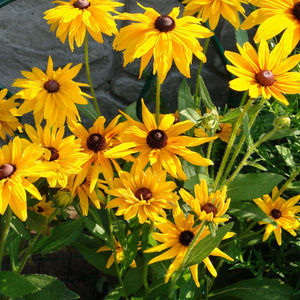
Leave flower heads standing in fall instead of cutting them back. Black-Eyed Susan and Purple Coneflower seeds feed goldfinches, chickadees and sparrows well into winter. The standing stems also shelter insects that birds forage for in spring.
How to Plan a Bird Garden
Plant shrubs in groups rather than single specimens, so birds have dense cover to hide from hawks. Choose plants that fruit at different times: mulberry in early summer, serviceberry and elderberry in midsummer, dogwood in fall. Skip insecticides; most songbird chicks are raised on caterpillars. Add a shallow birdbath, and leave a brush pile or a few dead branches where you can.
When Birding Plants Ship
Trees and shrubs ship bare root during our fall planting window, November 15–29, and perennials ship now. Fall is the best time to plant trees and shrubs, so roots grow all winter before spring growth. See our planting instructions for step-by-step help.
FAQ (add FAQPage schema)
What plants attract birds the most? Native berry trees and shrubs. Dogwood, mulberry, serviceberry and elderberry feed dozens of bird species. Add native flowers for seeds and nectar, plus dense shrubs for cover.
What plants attract hummingbirds? Red and orange tubular flowers: trumpet vine, cardinal flower, Indian pink and bee balm. Plant them in sun to part shade, in groups, so hummingbirds spot them easily.
What is the best tree for birds? In the eastern US, flowering dogwood is one of the best. Its high-fat fall berries feed migrating songbirds. Mulberry draws the widest variety of birds in early summer.
Do birds like the smell of flowers? Most birds have a weak sense of smell. Hummingbirds find flowers by color and shape, especially red tubular blooms, not by scent.
What berries do birds eat in winter? Birds rely on fruit that hangs on the plant into winter, such as chokeberry, winterberry holly and sumac. Dogwood berries usually get eaten in fall by migrating birds.
Do you ship birding plants outside Tennessee? Yes. We grow in Tennessee and ship nationwide.
What if my plant doesn’t arrive alive? Every order comes with our live-arrival guarantee. See our warranty for details.
Buying birding plants online: what to know
Start with your zone. Every birding plant on this page shows the zones it thrives in, so one marked for your zone is ready for your winters and summers.
Plan for the grown-up birding plant
Check the mature height on each card before you choose a spot, so every birding plant has room to stretch as it grows.
Bare root, ready to plant
Bare root plants arrive freshly dug and packed ready for planting. Soak the roots, set the birding plant at the depth it grew, and water it in well. Most thrive in well-drained soil and a few inches of mulch.
Ask a grower
Want a second opinion? Call our growers at 931-692-4252, or read the warranty page to see how our live-arrival guarantee works.
Birding Plants for sale: questions
Do you ship birding plants outside Tennessee?
Yes. We grow in Tennessee and ship nationwide.
How do the birding plants arrive?
Each product page says how it ships. Bare root plants arrive freshly dug and packed ready for planting.
Is there a guarantee?
Every order comes with our live-arrival guarantee. See the warranty page for the details.
How do I pick a birding plant for my zone?
Set your zone at the top of the page and turn on the zone switch. Every card shows the zones the birding plant thrives in.
What is the best plant for attracting birds?
What is a bird's favorite flower?
What smells are birds attracted to?
Not sure which birding plant is right?
Talk to a grower at our Tennessee nursery. Tell us your zone and your yard, and we will help you choose a birding plant that thrives there.
Why buy birding plants from TN Nursery
Grown since 1959
A family-owned Tennessee nursery, growing plants for generations of gardeners.
Freshly dug, bare root
Dug and packed ready for planting, so roots settle in fast.
Shipped nationwide
We grow in Tennessee and ship nationwide.
Live-arrival guarantee
Every order comes with our live-arrival guarantee.