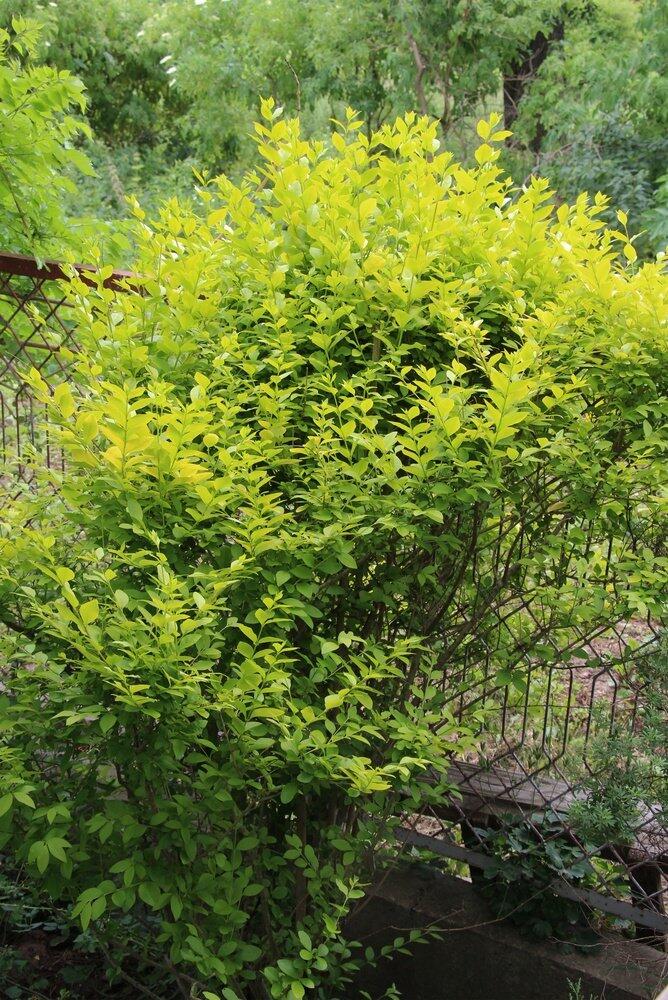
Privet Hedge Plant Details
Privets Hedge Plants - Ligustrum Vulgare
Privets are frequently used in gardening and landscaping due to their distinctive appearance and practicality․ Of the many privet varieties available‚ the Northern Privet‚ California Privet‚ and Wax Leaf Privet are often favored for their diverse and attractive characteristics․ Besides being ornamental plants‚ they can serve purposes such as creating privacy‚ obstructing views such as those of unsightly objects or gardening areas‚ and marking property lines․ Here follows an overview of the privet varieties available‚ with a description of the general appearance of the plant‚ its form‚ and its utility․Ligustrum spp. is a fascinating plant. In recent years, the common European privet has been banned for sale in some states because of its aggressive nature. But with careful species selection and thoughtful placement, privet shrubs can be an excellent choice for your landscape project. Their dense habit of glossy green leaves, intensely fragrant white flowers, part-shade tolerance, and easy-to-customize shape make them perfect for hedges and living fences. Privet plants are incredibly adaptable to a wide variety of soils and climates, fast-growing, and arguably among the best screening, privacy, and accent plants for landscapes around the world.
Privet plants have one of the most diverse tolerance profiles of any species
They can thrive in freezing winters and hot, humid summers and persist in USDA zones 3-11. Their semi-evergreen to evergreen foliage provides year-round beauty, and some privet species provide habitat to small birds. Their fragrant flowers attract pollinating insects including honey and bumble bees, wild bees, beneficial hover flies, butterflies, and moths. Privets are also resistant to insect and disease pests and can deter deer because their bitter-tasting, leathery leaves are unpalatable. If a privet does get grazed, it can quickly recover due to its fast growth. Privet plants are well suited to urban soil conditions and can tolerate periodic hot, dry spells and clay soils.
Uses in Landscaping
They have many uses, including for privacy, property boundaries, windbreaks and noise buffers, foundation plantings, screening utility and irrigation boxes, specialty uses such as hedges, formal garden designs and topiary, and all while being a remarkably low-maintenance plant. Whether you're creating a privacy hedge, living fence, property border, or year-round landscape screen, privets offer one of the easiest ways to add beauty, structure, and function to your garden project. Long associated in folklore with protection and peaceful living, privet plants remind us that the best landscapes don't simply surround us- they create spaces that feel sheltered, serene, and inviting throughout the year.
Privet Species - Different Varietes and Uses
Another shrub that works well for a hedge or screen is Ligustrum Ibolium (Northern Privet)․ This hardy shrub is popular for its bright green color and form; It can be as tall as 12 feet if planted in suitable climate and soil․ Its leaves are small‚ oval in shape‚ dark green during summer and become light yellow during the autumn․ In spring‚ small white flowers bloom on the Northern Privet tree‚ fragrant with a sweet smell․ The flowers attract bees and butterflies and are a good nectar source for them․ The height‚ beauty‚ and wildlife-attracting characteristics of this conifer make it a major candidate for planting in any garden․
California Privet
Another semi-evergreen shrub which can be planted in homes and gardens is the California privet or California Box-leaved Privet -Ligustrum ovalifolium․ It is known for its dark green shiny foliage which adds beauty to the garden․ California Privet can grow to heights of 10 to 12 feet due to its quick growth rate‚ which allows it to be used as a privacy screen in landscaping․ If desired‚ the California Privet can be pruned in order to create a more formal shrub․ The California Privet also produces small‚ fragrant white flowers in late spring which attract various pollinating insects․ California Privet is a hardy plant that grows well in diverse soils‚ and it has become a popular choice for landscaping․
Wax Leaf Privet
Wax Leaf Privet, Ligustrum japonicum- Thick waxy leaves make the Wax Leaf Privet an attractive evergreen shrub in many climates․ The plant grows to heights of 10 to 15 feet and widths of 10 to 12 feet in the average garden․ This species is very round in shape․ Wax Leaf Privet is used for holiday decorations‚ and for year-round outdoors decoration because of its dark green‚ glossy leaves․ In addition to its green foliage‚ Wax Leaf Privet produces clusters of small white flowers during the spring‚ which give way to clusters of black berries that attract birds․ Because of its robustness‚ the plant is considered a good choice for difficult soil conditions․
The shrubby‚ dense growth of privet is also useful for providing privacy screens and hedges to obscure the view of the outside‚ and create a buffer or barrier from noise and distractions‚ e․g․ in the suburbs where houses are closely spaced together‚ a well maintained privet hedge would provide a quiet space to relax and enjoy the outdoors․ This allows the shrubs to be trimmed and sculpted in multiple shapes to fit a homeowner's design plan‚ while also providing an extra layer of privacy․
All Privet Hedge Plants Offer Similar Objectives
The growth rate of the Northern Privet can greatly differ from other privet species․ In general‚ this plant grows at a medium rate and is a long-term investment for a garden․ California Privet is fast growing‚ and as such is a popular choice for people who want a natural hedge to use as a fast natural privacy barrier․ Likewise‚ Wax Leaf Privet is evergreen and relatively fast-growing‚ but not quite as fast as California Privet․ Knowing the growth rate of these plants will help you determine which privet is best suited to your landscaping and privacy needs․
Conclusion
In conclusion‚ the privet plants commonly known as Northern Privet‚ California Privet‚ and Wax Leaf Privet are ideal for those looking to add aesthetic appeal and privacy to their gardens․ Their dense foliage provides an attractive backdrop‚ while their adaptability makes them suitable for various conditions․ Whether you want a living screen‚ to frame a landscape‚ or provide food for birds and insects‚ privet can fit the bill․ If you keep in mind the differences between the various privet species‚ and their relative rates of growth‚ you will be sure to find one‚ or more‚ to suit your needs and grow well for many years․