Pamela Brigham
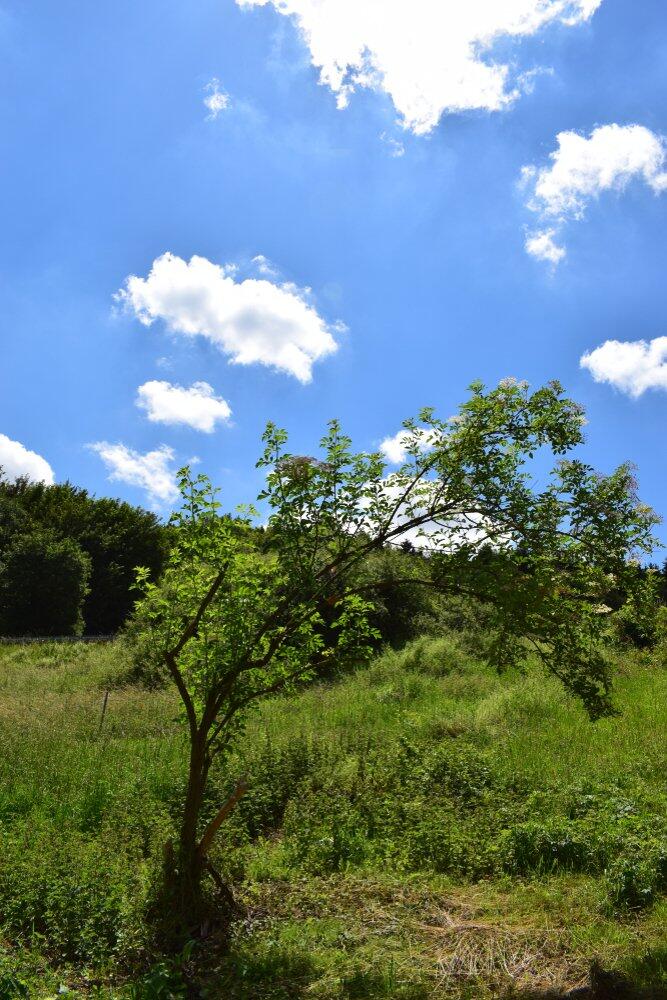
River Birch Tree

Black Locust Tree
Ships Between November 15-29
4-8
Typically 30-50 ft tall and 20-35 ft wide
Low and Moderate
Full sun
May through June
Water deeply and regularly during the first growing season. Established trees are highly drought tolerant.
Full sun, at least 6 hours of direct light daily
Striking Appearance & Wildlife habitat , Environmental benefits & nitrogen-fixing roots, Year-round interest & durable wood
Pamela Brigham
River Birch Tree
Scott Eberstein
Great looking trees, planted them near our wildlife pond, put fencing around them to protect them, some had leaves, they be tested the next couple nights, near freezing temperatures, thanks
STACIA LONGO
My trees arrived. I planted them and waiting for them to grow.
About this plant
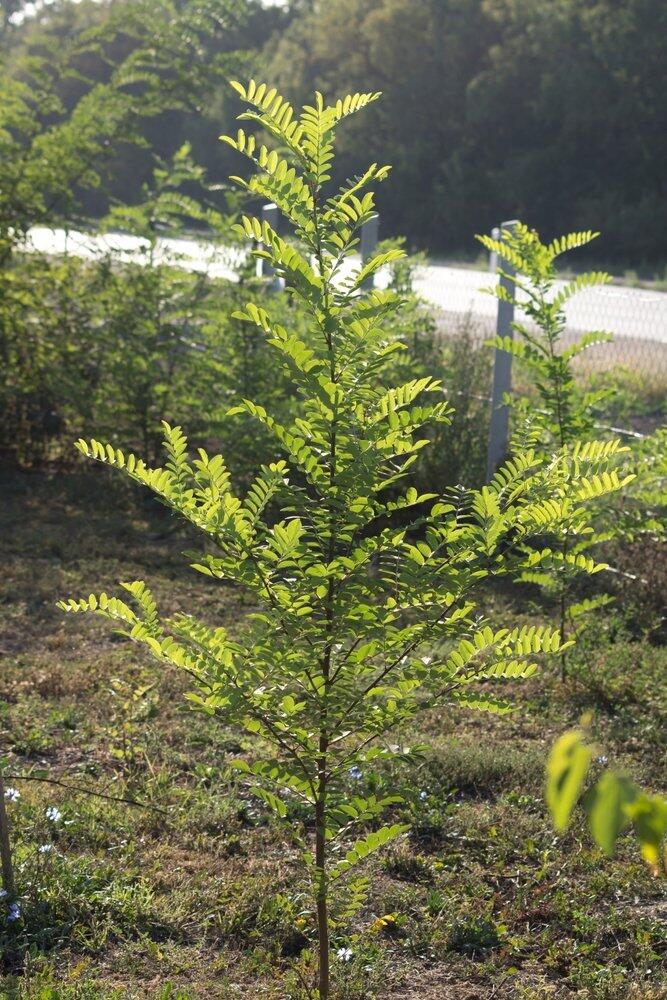
The black locust tree (Robinia pseudoacacia) is a fast-growing native tree that reaches 30 to 50 feet tall, fixes its own nitrogen and covers itself in fragrant white flowers that honeybees love each May. Black locust is hardy in USDA zones 4–8 and grows best in full sun. TN Nursery ships bare-root black locust trees, Buy 1 Get 1 Free.
Black locust is a member of the legume or pea family, Fabaceae, and is native to the Appalachian Mountains, from Pennsylvania south to Georgia and Alabama, and to the Ozark region of Missouri, Arkansas and Oklahoma. The tree is also called yellow locust and false acacia, and beekeepers know the honey from black locust flowers as acacia honey.
A black locust tree grows very fast, often 2 to 4 feet per year when young, making black locust one of the quickest native trees for shade, screening and windbreaks.
| Age after planting | Typical height | What to expect |
|---|---|---|
| Year 1 | planting size (1–5 ft) | roots and nitrogen-fixing nodules form |
| 3 years | about 8–12 ft | first light shade |
| 5–6 years | about 15–20 ft | first spring blooms begin |
| 10+ years | 30 ft and taller | airy canopy, heavy flowering |
A black locust tree blooms in late spring, usually May into early June, with drooping 4- to 8-inch clusters of sweetly fragrant white flowers.
Black locust is one of the best honeybee forage trees in North America, and beekeepers prize the pale, mild acacia honey made from black locust nectar. Native bumblebees visit the flowers too.
Black locust wood is durable because the golden heartwood is naturally dense and rot resistant, so untreated black locust fence posts can last for decades in the ground. Black locust is a true hardwood and one of the hardest, strongest woods native to North America.
Farmers have planted black locust for generations as a living source of fence posts, rails and outdoor lumber. Black locust also makes excellent firewood, burning hot and long with high heat value.
Plant a black locust tree on poor or sloping ground because black locust fixes nitrogen from the air through root nodules, grows quickly in lean soil and knits slopes together with a wide, fibrous root system. Black locust thrives where many shade trees need richer soil.
Black locust grows in sandy, rocky, clay and dry soils, is drought tolerant once established and makes a fast windbreak along fields and drives. Plant black locust trees 15 to 25 feet apart for a windbreak or 30 feet apart as shade trees.
Black locust has fragrant white flower clusters, oval leaflets and short, flat 2- to 4-inch seed pods, while the honey locust tree has small greenish flowers, tiny fine-textured leaflets and long, twisted pods up to 12 inches or more. Both are fast-growing native trees that cast light shade.
Choose black locust for showy spring blooms, honeybee forage and durable wood. For a side-by-side guide, read Black Locust vs Honey Locust on our garden blog.
Native flowering trees and other fast growers grow well with black locust trees. An Eastern redbud blooms a few weeks before black locust for a long run of spring color, and a tulip tree adds height and summer flowers. For a mixed wildlife planting, add a white oak for acorns and a red maple for early spring pollen. Planting a windbreak, reclaiming acreage or starting a woodlot? Our black locust seedlings are priced for bulk planting. See more in our flowering trees collection.
Plant a bare-root black locust tree while dormant, from late fall to early spring, in full sun with the root flare level with the ground. Water deeply after planting and weekly through the first growing season.
At our Altamont, Tennessee nursery, we dig each black locust while dormant, pack the roots in moist material and ship the tree bare root at the height you choose.
Botanical Name: Robinia pseudoacacia
Plant Family: Fabaceae (legume family)
Ships: Bare root, 1–2 ft, 2–3 ft, 3–4 ft and 4–5 ft
Planting Zone: 4–8
Height at Maturity: 30–50 feet
Spread: 20–35 feet
Growth Rate: Very fast, 2–4 feet per year when young
Sun or Shade: Full sun
Water Needs: Low to moderate; drought tolerant once established
Soil: Any well-drained soil, including sandy, rocky, clay and lean soils
Bloom Season: May–June
Flower Color: White, fragrant
Fall Color: Yellow
Native Range: Appalachian and Ozark regions of the eastern United States
Care: Water weekly the first season. Shape young trees in late winter. No fertilizer needed, since black locust makes its own nitrogen.
Plant Attributes: Fast-growing, nitrogen-fixing, honeybee forage, durable rot-resistant wood, drought tolerant, holds soil on slopes
Yes. Black locust is a dense, strong hardwood with naturally rot-resistant heartwood that is prized for fence posts and outdoor lumber.
A black locust tree grows 30 to 50 feet tall and 20 to 35 feet wide.
Black locust trees grow naturally in the Appalachian Mountains and the Ozark region, and black locust now grows well across USDA zones 4 through 8.
Yes. Black locust is a legume, and root nodules on black locust trees pull nitrogen from the air and add it to the soil.
Yes. Honeybees and native bees work the fragrant black locust flowers in May and June, and beekeepers sell the honey as acacia honey.
Yes. Black locust is one of the best native firewoods, burning hot and long once seasoned.
TN Nursery has grown hardy native plants since 1959, more than 65 years of experience, and has supplied plants to major U.S. landmarks like the Washington Monument and Arlington National Cemetery. At our Altamont, Tennessee nursery, we grow, dig and ship black locust trees to yards, farms and woodlots across the country. Each tree is dug while dormant and packed bare root so the roots settle quickly into new soil. Want to learn more first? Read How to Wake Up Your Garden in Spring Using the Black Locust Tree and Fast Growing Trees: Information and Facts on our garden blog, or browse our fast growing trees.

Since 1959, TN Nursery has grown and shipped quality bare root plants nationwide. Shipped during dormancy, bare-root plants develop strong root systems and establish quickly. Our experienced team carefully harvests and packages every order, providing growers with trusted plants backed by over 65 years of nursery experience.
Learn More About
Bare root trees
Fast Growth:
Grows quickly into a broad, airy canopy that gives light, dappled shade within a few seasons.
Fragrant Blooms:
Clusters of fragrant white flowers in late spring are a rich nectar source for honeybees and native bees.
Tough & Adaptable:
Thrives on poor, dry or disturbed ground and enriches the soil by fixing its own nitrogen.
Long-Lasting Wood:
Its dense heartwood is among the most rot-resistant of any native hardwood, prized for fence posts.
Fall Digging
Spring Digging
Packing Orders
Customer Unboxing Video
Product Highlight
I’m very pleased with my Black Locust from TN Nursery! It arrived healthy, securely packaged, and in great condition. The plant was exactly as described, and the quality exceeded my expectations.
I ordered a Black Locust tree from TN Nursery last year and it is doing great. It arrived in very good condition and was well packaged. I'm excited to watch it grow.