Fruit Trees
Shop fruit trees for sale from a Tennessee grower since 1959. Apple, peach, pear, fig, persimmon, pawpaw, and nut trees shipped nationwide from $21.99.


Showing 17 of 17 fruit trees

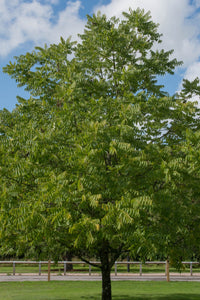
Shop fruit trees by type
 All Trees
 Fruit Trees
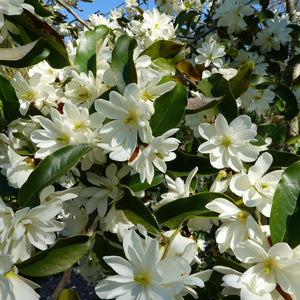 Evergreen Trees
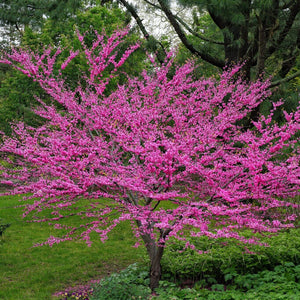 Flowering Trees
 Fast Growing Trees
 Crepe Myrtle Trees
Shop fruit trees for sale grown by TN Nursery, a family-owned Tennessee grower since 1959. Choose from apple, peach, pear, plum, apricot, fig, persimmon, pawpaw and mulberry trees, plus nut trees and berry plants for a complete home orchard. Every tree ships straight from our farm, with prices starting at $21.99
Buy Fruit Trees Online, Direct From the Grower
A homegrown peach or apple picked at full ripeness tastes nothing like fruit that was picked green and trucked across the country. Planting your own fruit trees is one of the best long-term investments you can make in your yard. A single tree can produce for decades.
When you buy fruit trees online from TN Nursery, you're buying from the farm that grew them, not a reseller. We've grown trees in McMinnville, Tennessee for three generations. Every tree is inspected before it's packed, and it ships during the right planting window for its type, so it arrives ready to go in the ground.
Fruit Trees in This Collection
Classic orchard trees: Apple, Peach, Pear, Plum and Apricot trees are the backbone of most home orchards. These ship in spring, when they can settle in before summer.
Native and easy-care fruit trees: The Pawpaw produces North America's largest native fruit, with a custardy, tropical flavor. The American Persimmon ripens sweet and soft in fall. Mulberry and Elderberry bear heavily and feed birds as well as people. These natives have few pest problems and ship in late fall.
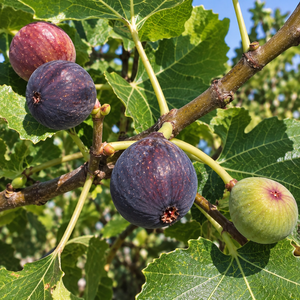
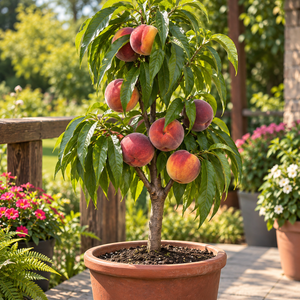
Fruit trees for small spaces: The Dwarf Patio Peach stays compact enough for a container on a deck or patio. The Fig Tree is self-fertile, so one tree is all you need for a crop.
Nut trees: Pecan, Black Walnut and Hall's Hardy Almond trees are long-lived and productive. Pecan and black walnut become large shade trees, so give them room.
Berries and vines: A Blackberry patch or a Grape Vine on a trellis fruits sooner than most trees. That makes them a good way to start harvesting while your orchard matures.
How to Choose the Right Fruit Tree
Hardiness zone. Start with your USDA zone, which is listed on each product page. A tree rated for your zone will survive your winters and fruit reliably.
Chill hours. Apples, peaches and apricots need a certain amount of winter cold to set fruit. Gardeners in the Deep South should check that a tree suits a mild winter. Gardeners up north should watch for early bloomers that a late frost could catch.
Pollination. Some fruit trees fruit on their own, and others need a partner.
- Usually self-fertile: peach, apricot, fig, and most mulberries. One tree will fruit.
- Need a second tree: apple, pear, and pawpaw need a second, different tree nearby. American persimmon trees are usually male or female, so plant several to make sure you get a fruiting female. Plums, elderberries, pecans and almonds also set noticeably better crops with a partner.
Space. Dwarf and patio trees fit small yards and containers. Standard fruit trees need more room but produce more fruit. Pecan and black walnut grow into large trees. Black walnut roots release juglone, which harms many plants, including apples, tomatoes and blueberries. Plant it well away from your garden and other fruit trees.
Bare Root Fruit Trees: Why We Ship Dormant
Many of our fruit trees ship as bare root plants. That means they're dug while dormant and shipped without heavy soil around the roots. The roots are packed in moist material so they stay hydrated in transit.
Bare root fruit trees cost less to ship and are less stressed by the trip. They also tend to establish faster than container trees, because the roots grow straight into your native soil. Learn more on our About Bare Root Plants page.
Planting and Caring for Your Fruit Trees
- Sun: Plant in full sun, at least 6–8 hours of direct light a day. More sun means more fruit. Pawpaws are the exception, since young pawpaws appreciate some shade for their first year or two.
- Soil: Choose well-drained soil. Avoid low spots where water stands after rain.
- Planting: Soak bare roots for a few hours before planting. Dig a hole wide enough to spread the roots out. Keep the graft union, the knobby spot on the lower trunk, above the soil line. See our full planting instructions.
- Water: Water deeply once a week through the first growing season, more often in heat or drought.
- Mulch and protect: Spread 2–3 inches of mulch over the root zone, keeping it a few inches off the trunk. Use a trunk guard to stop rabbits and voles from chewing the bark in winter.
- Prune: Prune in late winter while the tree is dormant to build a strong, open shape.
Fruit Tree FAQs
What month is best to plant fruit trees?
Plant fruit trees while they're dormant. That means late fall, after the leaves drop, or late winter to early spring, before the buds open. Fall planting gives roots a head start in warm soil. Spring planting is safest in very cold climates. That's why our fruit trees ship in mid-to-late November or in spring, depending on the variety.
Which fruit tree produces fruit the fastest?
Figs and mulberries are among the quickest, often fruiting within 1–3 years. Peaches typically bear in 2–4 years. Blackberries and elderberries can fruit in their second season. Nut trees take the longest, with pecan and black walnut often needing 6–10 years or more.
What is the easiest fruit tree to grow?
Figs, mulberries, American persimmons and pawpaws are among the easiest. They're vigorous and forgiving, and they have far fewer pest and disease problems than apples or peaches. Native species like persimmon and pawpaw are especially low-maintenance in the eastern U.S.
Do I need two fruit trees to get fruit?
It depends on the type. Peaches, apricots, figs and most mulberries are self-fertile, so one tree will fruit. Apples, pears and pawpaws need a second, different tree nearby. American persimmons are usually male or female, so plant several to be sure of fruit.
How long until my fruit tree produces fruit?
Most fruit trees begin bearing within 2–5 years of planting. Dwarf trees usually fruit sooner than standard-size trees. Good sun, steady watering and proper pruning all help a young tree start producing earlier.
Where is the best place to buy fruit trees?
Buy from a grower that ships at the correct planting time and stands behind its plants. TN Nursery has grown trees in Tennessee since 1959, ships nationwide direct from the farm, and backs every order with our warranty. Not sure which tree is right for your yard? Get free expert advice or call us at 931-692-4252.
A few things outside the copy matter as much as the words for reaching #1:
- Remove the Cottonwood Tree from this collection. It isn't a fruit tree, and it weakens the page's relevance for "fruit trees."
- Mark up the FAQ with FAQPage schema. Most Shopify themes or an SEO app can add it, and it gives the FAQ a better chance of showing up in "People also ask."
- Build links to this page. Trees.com sits at #2 with a Domain Rating of 71, but Willis Orchards ranks #3 with a DR of only 34. That gap suggests a handful of quality backlinks plus strong on-page content can close it.
Want me to pull your current rankings for these terms from Ahrefs so you can track progress after you publish?
Buying fruit trees online: what to know
Start with your zone. Every fruit tree on this page shows the zones it thrives in, so one marked for your zone is ready for your winters and summers.
Plan for the grown-up fruit tree
Check the mature height on each card before you choose a spot, so every fruit tree has room to stretch as it grows.
Bare root, ready to plant
Bare root plants arrive freshly dug and packed ready for planting. Soak the roots, set the fruit tree at the depth it grew, and water it in well. Most thrive in well-drained soil and a few inches of mulch.
Ask a grower
Want a second opinion? Call our growers at 931-692-4252, or read the warranty page to see how our live-arrival guarantee works.
Fruit Trees for sale: questions
Do you ship fruit trees outside Tennessee?
Yes. We grow in Tennessee and ship nationwide.
How do the fruit trees arrive?
Each product page says how it ships. Bare root plants arrive freshly dug and packed ready for planting.
Is there a guarantee?
Every order comes with our live-arrival guarantee. See the warranty page for the details.
How do I pick a fruit tree for my zone?
Set your zone at the top of the page and turn on the zone switch. Every card shows the zones the fruit tree thrives in.
What are the easiest fruit trees to grow?
What is the best month to plant fruit trees?
How many years does it take a fruit tree to bear fruit?
Not sure which fruit tree is right?
Talk to a grower at our Tennessee nursery. Tell us your zone and your yard, and we will help you choose a fruit tree that thrives there.
Why buy fruit trees from TN Nursery
Grown since 1959
A family-owned Tennessee nursery, growing plants for generations of gardeners.
Freshly dug, bare root
Dug and packed ready for planting, so roots settle in fast.
Shipped nationwide
We grow in Tennessee and ship nationwide.
Live-arrival guarantee
Every order comes with our live-arrival guarantee.