
Understanding Resilient Perennial Plants
Few things in the garden‚ as in life‚ are so satisfying as the knowledge that certain plants will come back year in and year out‚ some even with greater and greater beauty and vigor than before․ Such are the perennials․ Perennial plants are often found in the garden because they have a long lifespan‚ unlike annual plants‚ which die after one season․ They provide the sense of permanence‚ the living history of the landscape․ Gardener designers use the characteristics and expressions of the perennials‚ their variations and combinations‚ as a canvas for other plants and art‚ and reflect the seasons․ As we learn to understand perennials‚ we learn about gardening‚ nature and the cycle of the seasons that shapes the land and the life it supports․
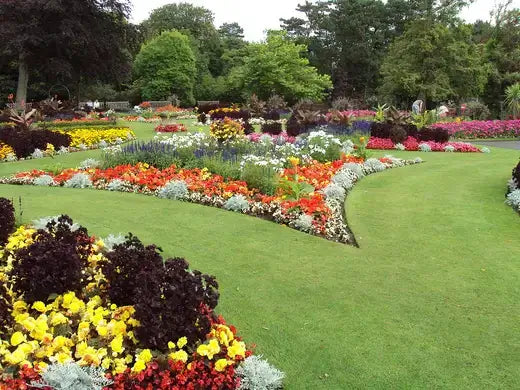
There are many types of perennials․ Some of these include flowering plants‚ herbs‚ ornamental grasses‚ palm trees‚ shrubs‚ and trees (although trees and shrubs are not always included in agriculture)․ Examples include the bright yellow daisies that bounce in the wind‚ the showy pink peonies with their dazzling blooms and rich sweet fragrance‚ and the hardy lavender with its soothing scent․ Perennial plants can also be grouped by their growing conditions‚ with some perennials able to grow in full sun and some able to grow in the cool shade of trees․ The variety of growing conditions also gives the gardener a greater number of options to find plants that fit certain conditions‚ such as a balcony‚ a shady corner‚ or a large yard․
Perennials Are Less Maintenance
The use of perennials in the garden has many advantages - they require less maintenance than annuals because perennials do not require replacement at the end of their growing season․ This translates into less work for the gardener while still being able to sit back and enjoy the beauty they provide․ Perennials also tend to attract bees‚ butterflies‚ and other pollinators․ Since many perennials are hardy and can withstand winter‚ they will return to the same spot from winter dormancy as a garden goes through the seasonal changes․ Because these plants live from year to year‚ a gardener may develop a stronger connection to his or her garden․
While maintaining perennials does require some thought and work‚ the most important thing to know about caring for a perennial garden is about the individual needs of each plant․ Things like when to water‚ how much sun it needs and when to fertilize and divide are just part of the concern․ Additionally‚ using a quality soil will create a happier and healthier plant that will produce better results․ Moreover‚ some perennials require deadheading (removing of blossoms) during the blooming period to stimulate additional growth․ Some perennials need to be protected for winter‚ and some die out completely and regrow in spring‚ so the care for these types varies․
The long-term importance of perennials‚ and the process involved in their selection and planting in the landscape as opposed to annual plants‚ needs to be set against the backdrop of annual flowers‚ which are sold on their immediate flowering impact․ Annuals are quickly established but must be planted each succeeding year‚ adding to their costs․ Perennials‚ by contrast‚ are much more permanent in the garden․ Although they do not bloom all at once or as vibrantly‚ the anticipation of their gradual emergence and their return from year to year give gardeners the opportunity to train themselves to remember that not all beauty is instant and that patience might be rewarded with a long-term display of tenacity and grace․
Why the Cycle of Seasons is Important
The cycle of the seasons is an important part of the way that perennials carry out their life cycle by controlling the time of year that they are in flower‚ the way that they grow and develop through the year from the bright colors seen in spring to the muted tones of autumn․ Some plants‚ such as daylilies‚ bloom for only one day per flower‚ but the sheer number of flowers can make a spectacular show for the entire flowering season․ The flowering season for chrysanthemum is late and can occur only after most other plants have stopped blooming․ It is through understanding these cycles that a gardener can plan a visually rhythmic landscape‚ in which interest will be maintained throughout the progress of the growing year․
Lastly‚ perhaps the greatest feature that lends the permaculture perennial plant family its reputation for being reliable is that they come back year after year‚ lending a sense of continuity and acceptance to their surroundings․ They teach us‚ once again‚ the value of patience‚ care‚ and a few cycles of nature․ By understanding the types of perennials‚ their care‚ and their role in achieving balance and beauty in the garden‚ we can create a landscape that resonates with the rhythms of nature and a narrative that continues to unfold․ The perennials we plant today become characters in this story‚ living on in our gardens and within us for many seasons of beauty and growth․


