anthony harris
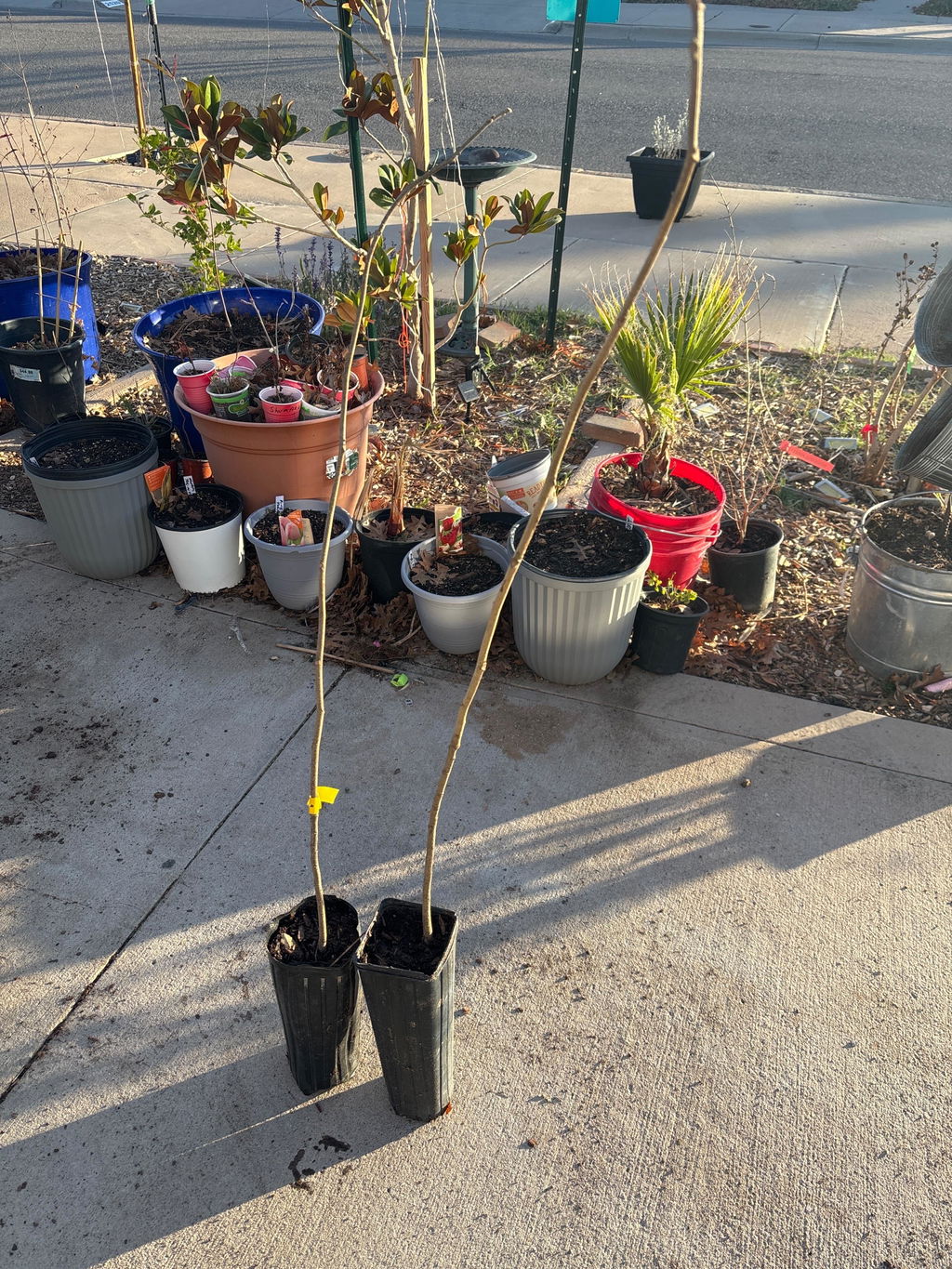
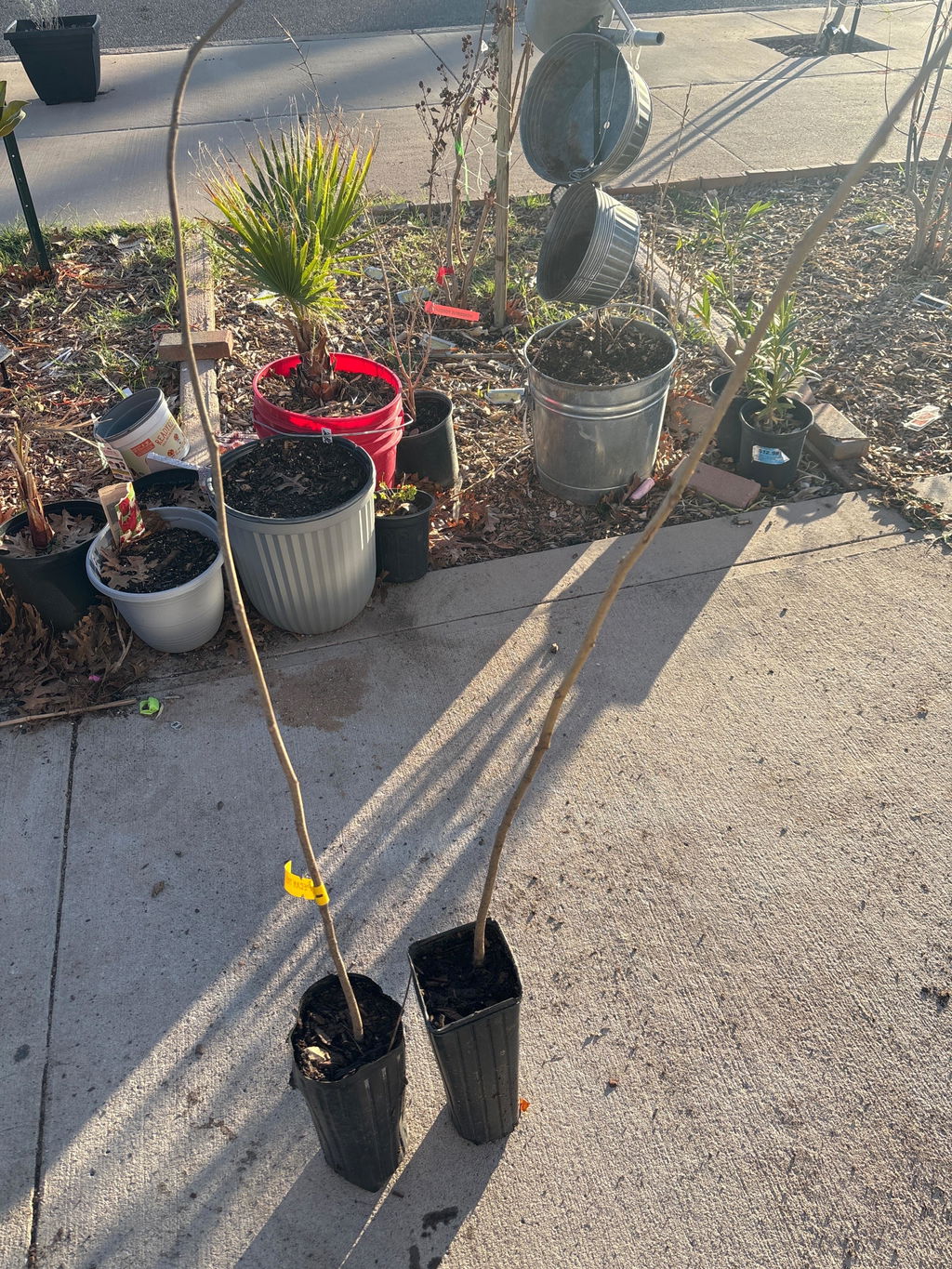
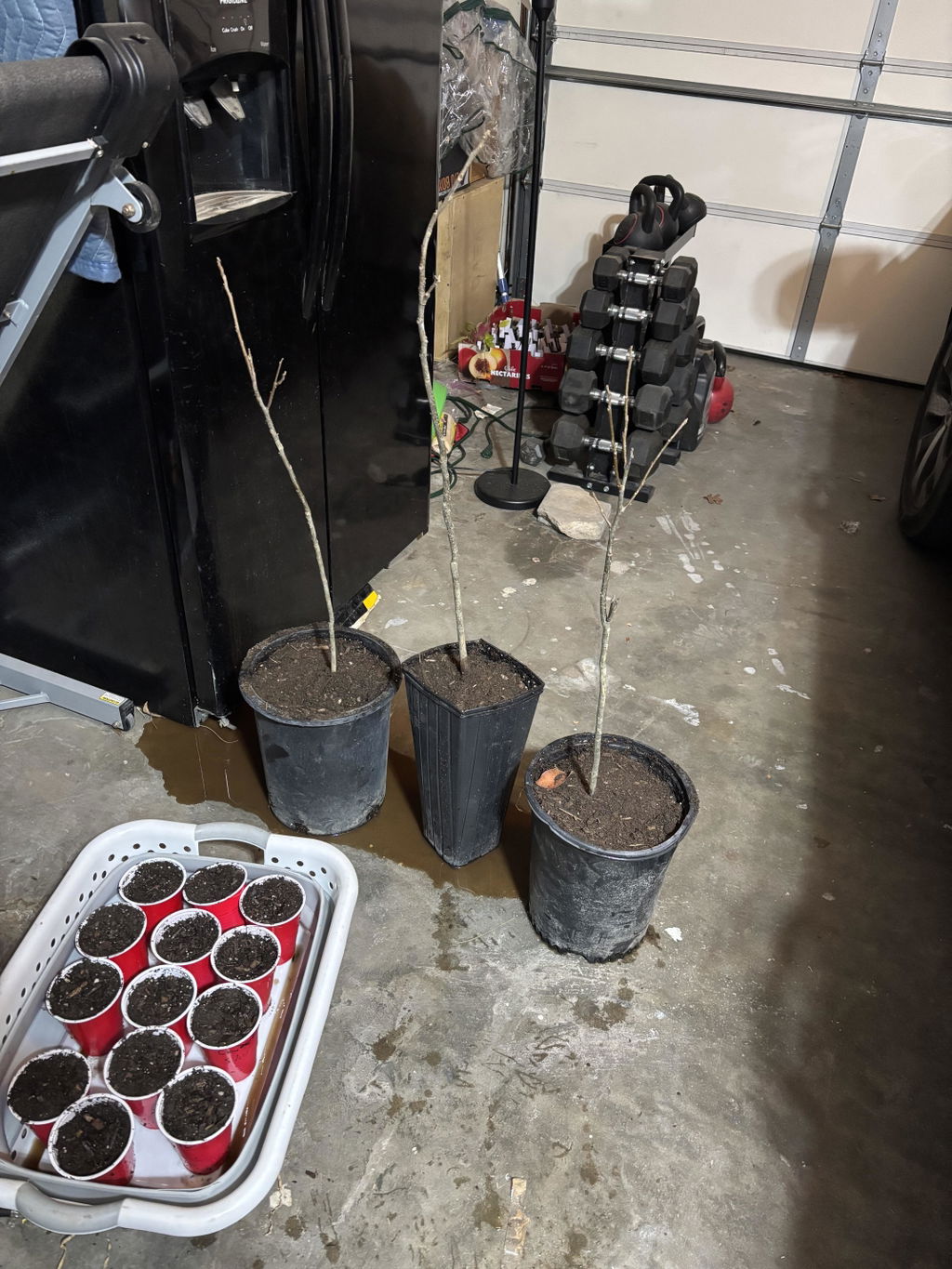
Trees arrived in a great packaging system and looked great. Got in the ground and waiting for the results.

Pecan Tree
5-9
70–100 Feet
Low and Moderate
Full sun
Spring
Plant in deep, well-drained soil in full sun. Water weekly through the first two summers, feed lightly each spring from the second year and prune in late winter to keep one strong central leader.
Full sun, 6–8 hours a day, for the best growth and nut crops.
Sweet, buttery pecans every fall , Long-lived native shade tree, Nuts feed deer, turkeys and squirrels
anthony harris
Trees arrived in a great packaging system and looked great. Got in the ground and waiting for the results.
Robert Hoffie
Revived in good condition, will see how they do
Stephen Hale
Got them today and planted them Have been trying to grow them for 7 trees . These look good so now I hav 3 trees. Thanks
About this plant
A pecan tree is an investment that pays you back every fall for generations. The pecan (Carya illinoinensis) is a native hickory that grows into a towering, broad-crowned shade tree and produces the sweet, buttery nuts used in pies, pralines and holiday baking across the South. Pecans are long-lived, cast deep summer shade and turn soft yellow in fall, so they add real value to farms, homesteads and large yards even before the first harvest. TN Nursery ships bare-root pecan trees in 1–2, 2–3 and 3–4 foot sizes, and single-tree orders are Buy 1 Get 1 Free, which gives you the two trees you want for a bigger nut crop.
Pecan trees carry male and female flowers on the same tree, but a single tree often sheds its pollen at a different time than its female flowers are ready. Planting two or more pecans within about 150 feet of each other greatly improves pollination and nut set. Our Buy 1 Get 1 Free offer makes it easy to start with a pair.
Choose an open, sunny spot with deep soil that drains well; pecans grow a long taproot and do best where it can go down several feet. River-bottom loams and sandy loams are ideal. Because pecans become very large, plant at least 40 feet from the house, driveways and power lines, and space trees 40–60 feet apart.
A light application of balanced fertilizer in early spring, starting the second year, helps young pecans grow strong. Prune in late winter to develop one central leader and well-spaced branches.
Pecan trees usually begin bearing about 6–10 years after planting, with larger harvests as the tree matures.
Planting at least two pecan trees is strongly recommended. A second tree improves pollination and produces a much bigger crop.
Pecan trees typically reach 70–100 feet tall and 40–75 feet wide at maturity.
Pecans grow in USDA zones 5–9 and produce best where summers are long and warm.
Plant bare-root pecan trees while they are dormant, from late fall through early spring.
TN Nursery has been growing trees in Tennessee since 1959, and the pecan is a tree we've planted on our own ground for decades. Planting an orchard or a large wildlife area? Our pecan seedlings come in bulk packs of 100 or 500. Browse more edible plants and shade trees, or read Pecan Trees: Grow Some Southern Tradition and Pecans: A Healthy Snack Choice.

Since 1959, TN Nursery has grown and shipped quality bare root plants nationwide. Shipped during dormancy, bare-root plants develop strong root systems and establish quickly. Our experienced team carefully harvests and packages every order, providing growers with trusted plants backed by over 65 years of nursery experience.
Learn More About
Bare root trees
Nut Production:
Pecan Trees produce delicious, nutritious nuts that are perfect for snacking, baking, and cooking. They offer a bountiful harvest year after year.
Shade Provider:
With its large canopy, the Pecan Tree provides ample shade, making it a perfect addition to your yard for hot summer days.
Longevity and Durability:
Pecan Trees are known for their long lifespan and robust nature, offering beauty and productivity for many generations.
Wildlife Attraction:
The tree attracts various wildlife, including birds and squirrels, creating a lively and dynamic natural environment.
Fall Digging
Spring Digging
Packing Orders
Customer Unboxing Video
Product Highlight
I am really enjoying my pecan tree. It has come out beautifully.
I just love TN Nursery . I received my buy one and get one free 4ft pecan trees and they **** disappointed! I figured I’d get one 4ft and the free one would be a skimpy reject but to my surprise they both were beautiful trees! TN Nursery.. feel free to send me anything you need to be reviewed! 😊
I ordered the 3-4 ft pecan trees buy 1 and get 1 free. They were 2 ft at best but they sent me 3 which was awesome. So in reality I paid for 1 and received 2 free, and though undersized I am giving them a 5 star rating. I read a lot of reviews saying that these pecan trees are not labeled to as what kind or if they are if they are type 1 or 2 for pollination purposes. These are great as rootstocks to add a scion of a mature tree cutting that you want to grow. I am grafting 2 Choctaw and 1 Pawnee scions that will produce nuts quicker than waiting for these to produce nuts in 10 years.
Trees came in excellent shape with green buds. The trees were exactly as they were said to be.
My Pecan Tree arrived in fantastic condition. The roots were firm and ready for planting, and the tree is flourishing wonderfully. TN Nursery provided a flawless buying experience.
TN Nursery delivered a Pecan Tree that was truly beautiful. The leaves were rich, the stem was strong, and it transplanted effortlessly into my garden soil.
The Pecan Tree came fresh, well-packed, and clearly nurtured. TN Nursery did a remarkable job ensuring quality, and it has quickly become a highlight in my yard.
I’m so impressed with my Pecan Tree from TN Nursery. It arrived vigorous and healthy, and within weeks, it has shown remarkable new growth. A fantastic investment.
The Pecan Tree I ordered arrived in pristine condition. Its branches were flexible, and the root system was robust. I can tell this tree was grown with expert care.
TN Nursery sent me a Pecan Tree that exceeded expectations. It was tall, well-rooted, and had lush green leaves. Planting was simple, and the tree is thriving quickly.
The Pecan Tree I received was vibrant, healthy, and securely packaged. The roots were moist, the trunk was strong, and it has already begun adapting beautifully to my soil.
What varieties are your pecsn trees?
Excellent customer service . Knowledge about polonators , very helpful. Fast shipping.
What is the variety name of this carya illinoinensis? Is it a type I pollinator or is it a type II pollinator?
Trees arrived in a great packaging system and looked great. Got in the ground and waiting for the results.
Revived in good condition, will see how they do
Got them today and planted them
Have been trying to grow them for 7 trees . These look good so now I hav 3 trees. Thanks
Took a few days to get order confirmation # but after that came on the date received trees package perfectly planted them the same day now just waiting thanks
We received very healthy and happy trees sent to us in a short time after the order was placed. I order items from another nursery and I am still waiting for them after 8 days. Bravo to TN Nursery, the pecans are happy and securely planted at their new home. Best Wishes for continued success.
They looked great
TN Nursery delivered a nice bare-rooted pecan tree. It appears to be in great condition. The price was the lowest I’ve seen for a pecan tree. I am eager to watch it grow.
I ordered a buy one get one deal for pecan trees. Actually was pleasantly surprised with three. Not looking forward to watching my pecan orchard grow.
Trees were packaged and shipped perfect.
I’m grateful for the quick delivery’s.
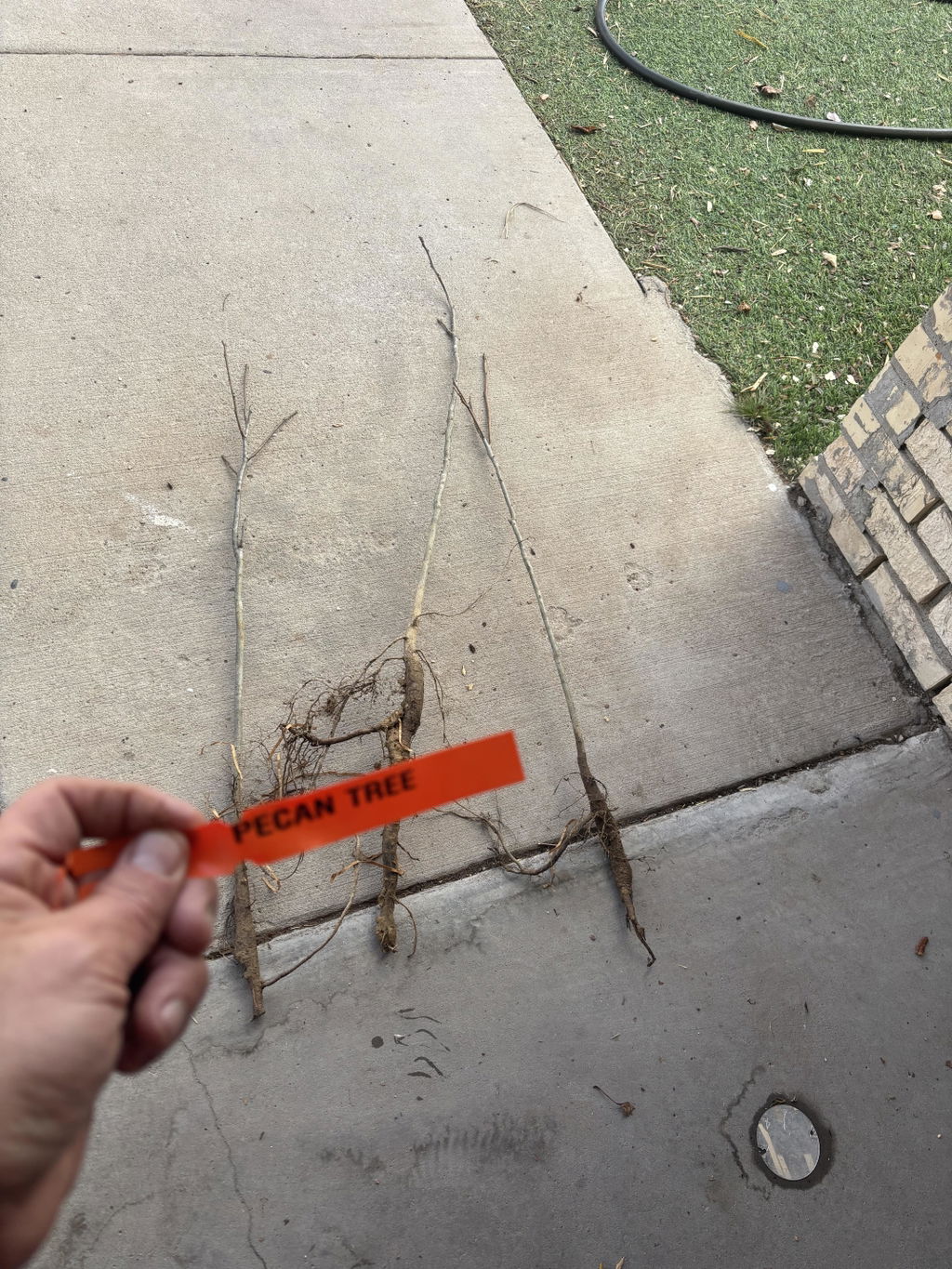
Just looks like a stick with roots right now. Planted in the ground same day as it arrived. Look forward to seeing the stick come to life and producing tons of pecans. I will overcome my pecan allergy.
So far, so good! Our 12 trees are in the ground and mulched, waiting for Spring to help them bud. Hope to give you good news next year as to how they are doing.
Products arrived quickly and in great condition. I ordered 3-4 foot trees but all arrived and were more like 2 ft. Hopefully they will grow quickly
I received the pecan trees package well and ready to plant. Put them in the ground and looking forward to seeing them come alive in the spring.
We are in central Michigan and in the bottom of zone 5 but of my other ones 50% have done well.Of course they were dormant so we will know better in the spring and fall I hope my sons and grandsons enjoy them.
Great quality, nice height
The service is the best , very fast delivery.. plants where still in the dormant stage . But not long and leaves started showing up. Good healthy plants root systems were very good.