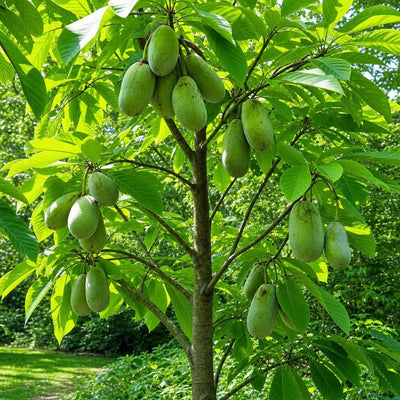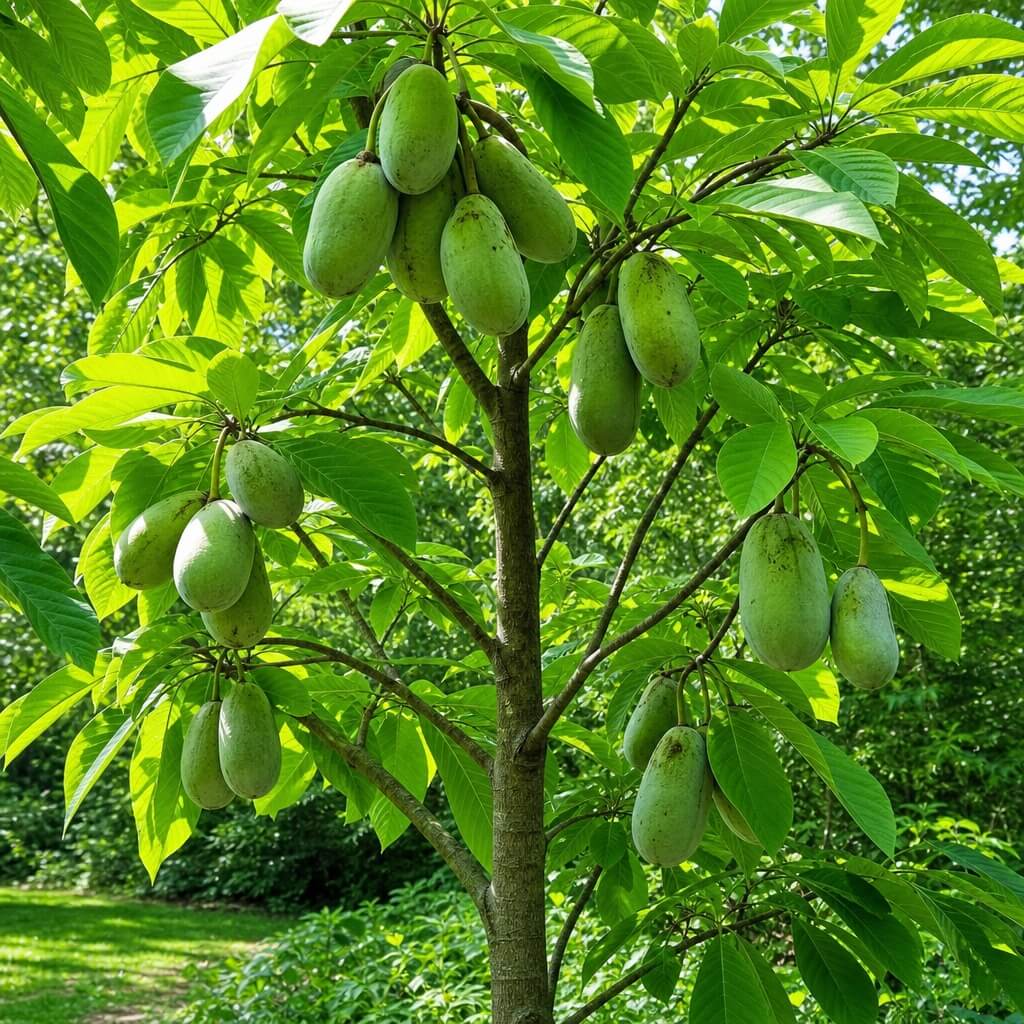
Pawpaw trees (Asimina triloba) grow 15 to 30 feet tall with a 15 to 20 foot spread. Most pawpaw trees in home yards settle at 15 to 20 feet tall, about as wide as they are tall, with an upright, pyramid-shaped crown. A young pawpaw tree adds about 1 to 2 feet of height per year once established.
Late November is a great time to plan around that mature size, because pawpaw trees are planted bare root while dormant, from November through April. The University of Florida IFAS Extension pawpaw fact sheet notes that the species can reach 30 feet but more often stays in the 15 to 20 foot range, with an equal spread. Here in Tennessee, that makes a pawpaw tree a comfortable fit for a backyard, a fence line or the edge of a wooded lot. For the full planting picture, start with our guide to growing pawpaw trees.
How tall does a pawpaw tree get?
A pawpaw tree grows 15 to 30 feet tall at maturity, and most garden pawpaws reach 15 to 20 feet. Pawpaw trees in open sun tend to grow fuller and more compact, while pawpaws under taller hardwoods reach their branches toward the light and form a more open canopy.
How wide does a pawpaw tree spread?
A mature pawpaw tree spreads 15 to 20 feet wide. Its large leaves, 6 to 12 inches long, give the pawpaw tree a lush, tropical look, and they turn golden yellow in fall. Plan for that width when you choose a spot near a house, driveway or patio.
How fast do pawpaw trees grow?
Pawpaw trees grow at a moderate rate of about 1 to 2 feet per year once their roots are established. The first season is mostly root growth, so top growth picks up in years two and three. Steady watering and 2 to 3 inches of mulch keep a young pawpaw tree growing well.
Pawpaw tree size by age
| Stage | Typical height | What to expect |
|---|---|---|
| At planting (bare root) | 1–5 feet | Roots settle in; leaves open in late spring |
| Years 2–3 | 4–8 feet | Strong new growth each season |
| Years 4–7 | 8–12 feet | First maroon flowers in April–May and first fruit |
| Mature tree | 15–30 feet | Full crops of 3- to 6-inch fruit each August–October |
Bare-root pawpaw trees in the 1 to 5 foot range usually bear fruit 4 to 7 years after planting, and seedlings take 5 to 8 years. Our post on how long until a pawpaw tree bears fruit covers the timeline in detail.
How far apart should you plant pawpaw trees?
Space pawpaw trees 8 to 15 feet apart, and keep at least two trees within 30 feet of each other for cross-pollination. Closer spacing, around 8 feet, creates a dense grove; wider spacing, around 15 feet, lets each pawpaw tree develop a full, rounded crown. Because a pawpaw tree needs a partner to set fruit, size up your space for two trees, not one. Learn why in do you need two pawpaw trees for fruit.
Can you keep a pawpaw tree small?
Yes. Light pruning in late winter keeps a pawpaw tree compact and well shaped. In the wild, pawpaws often grow as multi-stemmed groves called pawpaw patches, sending up new shoots from the roots. For a single-trunk pawpaw tree in a small yard, clip those root shoots at ground level. For a natural grove, simply let them grow.
How do you plant a pawpaw tree for the best size and shape?
Plant a bare-root pawpaw tree while it is dormant, in a hole twice as wide as the roots, with the root collar at soil level.
- Pick the site. Choose moist, fertile, well-drained, slightly acidic soil in full sun to partial shade in USDA zones 5–8. See where pawpaw trees grow best for zone and soil details.
- Soak the roots. Soak bare roots in water for 30 minutes to an hour before planting.
- Dig wide. Make the hole twice as wide as the root spread and just as deep, then set the root collar level with the soil.
- Water and mulch. Water deeply and spread 2 to 3 inches of mulch, kept 3 inches from the trunk.
- Shade the first summers. A little afternoon shade during the first one to two summers helps young pawpaw trees settle in.
Trees to start with
- Pawpaw trees for sale: bare-root trees in 1–5 foot sizes, offered Buy 1 Get 1 Free, Buy 3 Get 2 Free and in 25-tree packs.
- Pawpaw tree seedlings: packs of 100 or 500 for groves, wildlife plantings and reforestation.
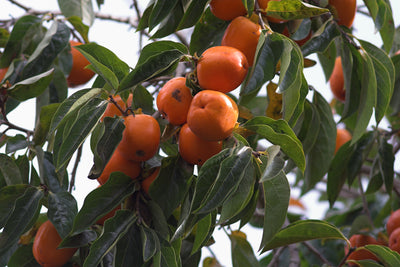
- Persimmon tree: a native fruit tree that ripens sweet fruit in fall, right after the pawpaw harvest.
What grows well next to a pawpaw tree?
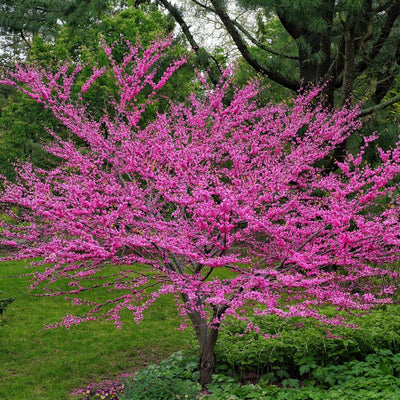
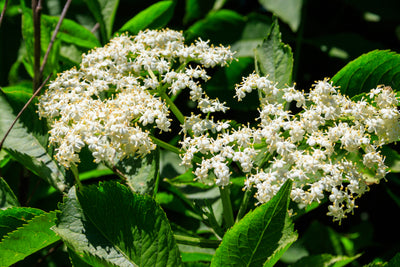
Native trees and shrubs of a similar or smaller size pair well with pawpaw trees. An eastern redbud tree blooms pink beside the maroon pawpaw flowers in April. An elderberry adds summer berries at the edge of a pawpaw grove, and a spice bush fills the shady understory with early yellow flowers. Together with a persimmon, these plants build a long season of color and harvest.
Frequently asked questions
How tall does a pawpaw tree get?
A pawpaw tree grows 15 to 30 feet tall at maturity. Most pawpaw trees in home landscapes reach 15 to 20 feet.
How wide does a pawpaw tree spread?
A mature pawpaw tree spreads 15 to 20 feet wide, often about as wide as it is tall.
How fast does a pawpaw tree grow?
A pawpaw tree grows about 1 to 2 feet per year once established. Bare-root pawpaw trees usually reach 8 to 12 feet tall in years 4 to 7.
How far apart should pawpaw trees be planted?
Plant pawpaw trees 8 to 15 feet apart. Keep at least two pawpaw trees within 30 feet of each other for cross-pollination and fruit.
Can you keep a pawpaw tree small?
Yes. Prune a pawpaw tree lightly in late winter to shape it, and clip root shoots at ground level to keep a single, compact trunk.
Keep reading
- How to Grow Pawpaw Trees: Planting, Care and Fruit
- Pawpaw Fruit: What It Is, What It Tastes Like and How to Get It
- Where Do Pawpaw Trees Grow Best? Zones, Soil and Sun
- How Long Until a Pawpaw Tree Bears Fruit?
From our nursery
TN Nursery is a family-owned, third-generation nursery in Altamont, Tennessee, growing plants since 1959, more than 65 years. On our 170 acres we grow about 2 million pawpaw trees a year from about 2 tons of seed, and pawpaw is our number one selling tree. We have also supplied plants to major U.S. landmarks like the Washington Monument and Arlington National Cemetery. When you are ready to plant, buy pawpaw trees straight from the fields where we grow them.