
The short answer
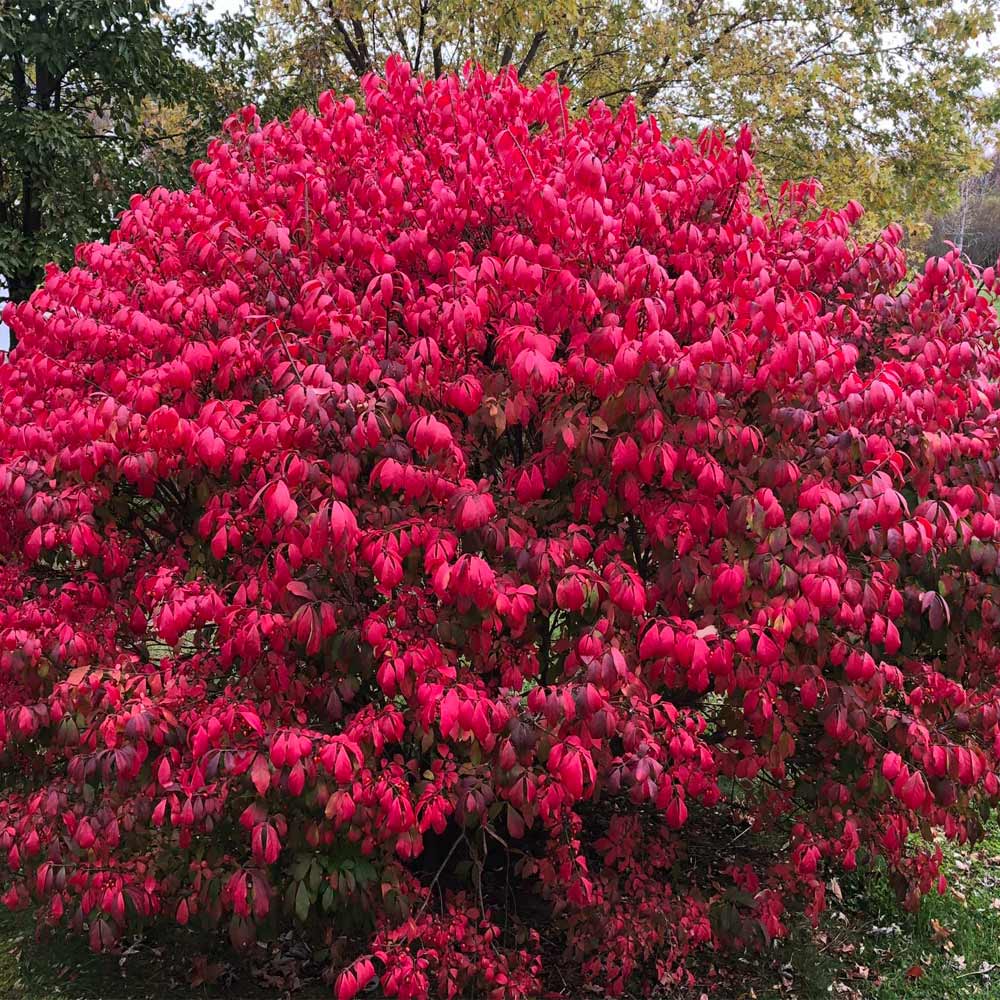
Fire bushes are two different shrubs that share a name. Most northern gardeners mean burning bush (Euonymus alatus), a hardy shrub for zones 4 to 8 grown for scarlet fall leaves. In Florida and the Gulf Coast, firebush means Hamelia patens, a tropical shrub for zones 8 to 11 with red-orange summer flowers.
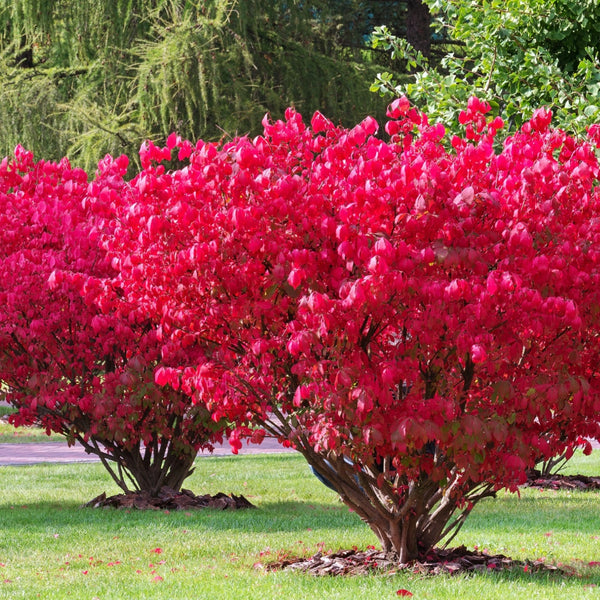
Say fire bush in Ohio and most gardeners picture a burning bush hedge glowing red in October. Say it in Florida and they picture firebush, a shrub covered in red-orange tubular flowers. The two plants are not related. Burning bush (Euonymus alatus) is a deciduous shrub hardy in USDA zones 4a to 8b, according to NC State Extension, which also lists it as invasive in North Carolina and notes its spread across several eastern and midwestern states, so check your state's invasive plant list before you plant. Firebush (Hamelia patens) is hardy in zones 8 to 11, according to UF/IFAS Gardening Solutions. Your zone decides: in zones 4 through 7, burning bush is the fire bush you can grow; in zone 9 and warmer, firebush fits better. Below you will find how to plant and prune burning bush, plus chokeberry and sumac if you prefer red fall color from plants native to North America.
Burning bush and shrubs to plant with it
1. Pick a sunny spot with well-drained soil
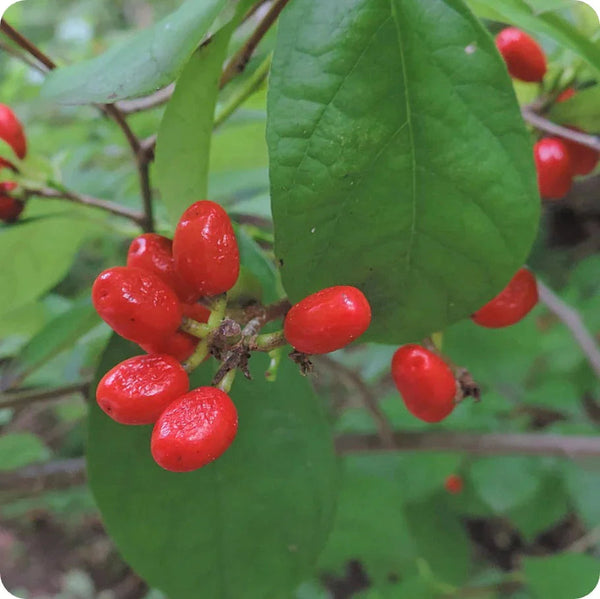
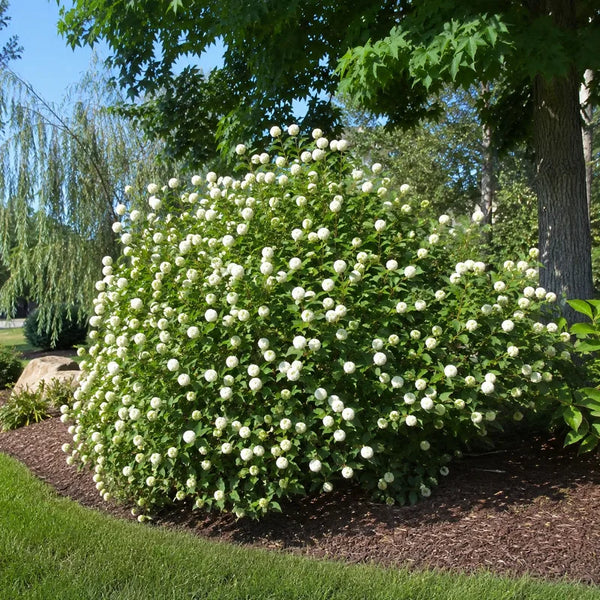
Burning bush grows in full sun to partial shade, and full sun gives the deepest red. It thrives in well-drained soil. Give each plant room to spread, since older plants grow well past 10 feet. Beside it, spice bush adds bright yellow spring flowers, and button bush fills damp low spots with late-summer flower balls for pollinators.
2. Plant while the shrub is dormant
Plant while the shrub is dormant: late fall after the leaves drop, or early spring before buds open, whenever the ground is not frozen. If it arrives bare-root, soak the roots in a bucket of water for a few hours first, and keep them covered and damp until they go in the ground, since bare roots dry out quickly in sun and wind.
3. Set the roots at the right depth
Dig a hole wider than the spread of the roots and just deep enough that the point where roots meet stem sits level with the soil. Fan the roots out over a small mound in the center of the hole. Refill with the soil you dug out, firming it gently with your hands to remove air pockets. Water slowly until the hole is soaked, then add the last of the soil.
Tip: Mark each shrub with a stake so you can find it before the leaves appear.
4. Water and mulch through the first year
Spread 2 to 3 inches of mulch over the root zone, keeping it a hand's width from the stems. Water deeply once a week through the first growing season whenever rain is short. Once established, burning bush is drought tolerant and needs little care, so after the first year you can water only during long dry spells.
5. Prune in late winter or early spring
Prune while the shrub is dormant in late winter or early spring, before new leaves open. Remove dead or crossing branches first, then shorten stems that spoil the outline. A light trim each year keeps it hedge-sized; given room, it needs little pruning. Trimming in summer or early fall removes leaves that would have turned red.
Tip: Older, unpruned plants can grow well past 10 feet; NC State Extension lists 15 to 20 feet.
Firebush vs burning bush: the tropical lookalike
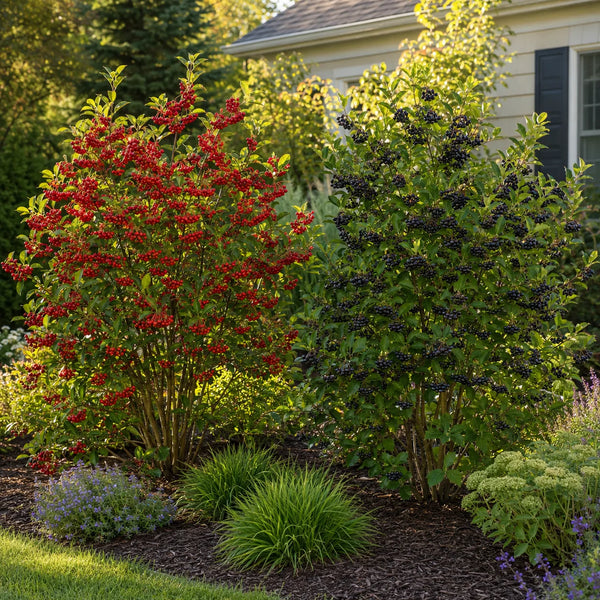
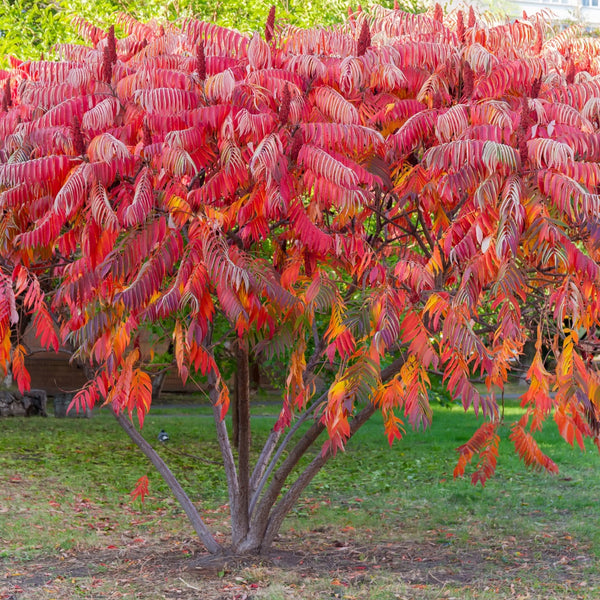
Firebush (Hamelia patens) is a different plant with a similar name. It is native to Florida and flowers in bright red from late spring until the first frost, feeding hummingbirds, butterflies and songbirds that eat its berries. It blooms best in full sun but also grows in partial shade. UF/IFAS Gardening Solutions notes that in the warmest parts of the state it can reach 15 feet, while in cooler parts it dies back after the first freeze and regrows in spring. Burning bush, by contrast, is grown for its leaves. If you want red fall color from a shrub native to North America, NC State Extension suggests chokeberry among its alternatives to burning bush. Our sumac tree is another choice, with red-orange fall color and red berries.
Care and keeping
A safety note: NC State Extension lists all parts of burning bush as poisonous if eaten, though toxic only in large quantities, and notes that children may be attracted to its fall fruits. Plant it away from play areas, and teach children not to pick the berries.
Frequently asked questions
Are firebush and burning bush the same?
No. Burning bush (Euonymus alatus) is a deciduous shrub grown for scarlet fall leaves and is hardy in zones 4a to 8b. Firebush (Hamelia patens) is a Florida native grown for red tubular flowers and is hardy in zones 8 to 11. They belong to different plant families and need different climates.
Where is the best place to plant a fire bush?
Plant burning bush in full sun on well-drained soil, where its leaves turn the deepest red, and give it 6 to 10 feet of room. Plant firebush in full sun in zones 8 to 11; UF/IFAS Gardening Solutions notes it also grows in partial shade but flowers best in sun.
When is the best time to prune fire bushes?
Prune burning bush in late winter or early spring while it is dormant, before new leaves open, so you keep the branches that will color up in fall. Prune firebush only as needed to hold its height; UF/IFAS advises against cutting it below 5 to 8 feet, since heavy pruning reduces flowering.