Chokeberry Shrub

Chokeberry Shrub

1-2 Feet / Buy 1 Get 1 Free / Black Chokeberry
$17.99
Skip to product information

Chokeberry Shrub

$17.99
Height Shipped
Quantity: (Buy More, Save More)
Variety
Fast Shipping Nationwide
Healthy Bare Rooted
Safe Ship Moisture Packed
Guaranteed Grower Direct

Hassle-Free Guarantee

WE GUARANTEE ALL PLANTS TO ARRIVE IN EXCELLENT CONDITION

Chokeberry Shrub
1/5

Planting & Growing Information

Ships

Ships Between November 15-29

Planting Zone

4-9

Height at Maturity

Under 10 Feet

Water Needs

Moderate

Sun or Shade

Full sun and Partial shade

Bloom Season

Late Spring to Early Summer

Care

Red Chokeberry (Aronia arbutifolia) thrives in well-drained soil and prefers acidic to neutral pH. Trim annually to keep shape and remove dead wood. Once established, it’s drought-tolerant but benefits from occasional watering during dry spells.

Exposure

Red Chokeberry (Aronia arbutifolia) flourishes in total sun to part shade. It favors at least 4-6 hours of direct sunlight daily but can tolerate some shade, making it versatile for various garden conditions. The full sun enhances its growth and vibrant fall color.

Plant Attributes

Vibrant red foliage in fall , An magnet for wildlife, Hardy and pest resistant

What we ship and how to see if they are dead or alive QR code
What we ship and how to see if they are dead or alive

Scan to watch the quick scratch test we use to check trees, ferns, and perennials the moment they arrive.

Watch the video
How to tell if your bare root plants are alive or dead QR code
How to tell if your bare root plants are alive or dead

Scan to watch the quick scratch test we use to check trees, ferns, and perennials the moment they arrive.

Watch the video

Planting & Growing Information

Ships

Ships Between November 15-29

Planting Zone

4-9

Height at Maturity

Under 10 Feet

Water Needs

Moderate

Sun or Shade

Full sun and Partial shade

Bloom Season

Late Spring to Early Summer

Care

Red Chokeberry (Aronia arbutifolia) thrives in well-drained soil and prefers acidic to neutral pH. Trim annually to keep shape and remove dead wood. Once established, it’s drought-tolerant but benefits from occasional watering during dry spells.

Exposure

Red Chokeberry (Aronia arbutifolia) flourishes in total sun to part shade. It favors at least 4-6 hours of direct sunlight daily but can tolerate some shade, making it versatile for various garden conditions. The full sun enhances its growth and vibrant fall color.

Plant Attributes

Vibrant red foliage in fall , An magnet for wildlife, Hardy and pest resistant

Customer Favorites That Go Will With Chokeberry Shrub

Chokeberry Shrub Details
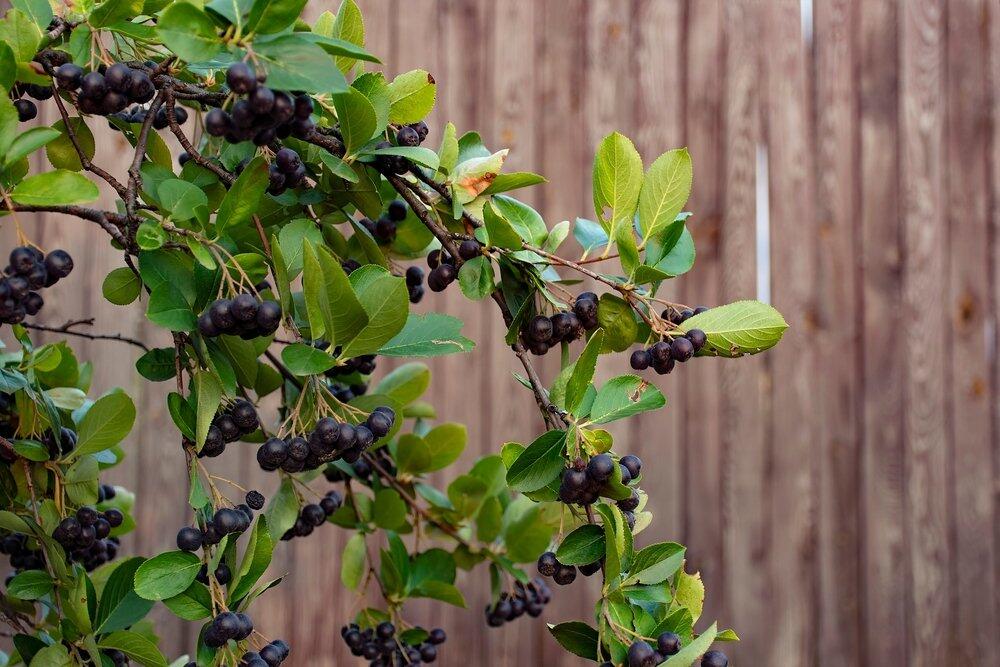
Aronia arbutifolia and Aronia melanocarpa‚ known as red chokeberry and black chokeberry‚ respectively‚ are flowering shrubs that are used in ornamental and functional plantings across temperate North America․ Both species have varieties that are tolerant of a wide range of soils and are commonly used by gardeners and landscapers․ They play a useful role in natural communities because of their brightly colored berries‚ attractive foliage colors in the growing season‚ and their medicinal properties․ Chokeberries are an excellent choice for any yard because they are visually appealing and play an important role in the ecosystem of the area․

Red Chokeberry  and Black Chokeberry Flowering Seasons

The flowering period of the red and black chokeberry contribute to the aesthetic value of this plant․ Red chokeberry generally flowers in late spring․ Its flowers are usually white and are attractive for several pollinator species including various bees and butterflies․ The flowers last for only a short time and give way to clusters of red berries in late summer․ The red berries juxtapose the deep green foliage․ The black blooms at the same time as the red chokeberry‚ but the black produces dark fruit that ripens in fall․ In the autumn months‚ each of the shrubs turns bright red or orange colors which stand out against the otherwise indistinct landscape of late fall‚ when the plants are often leafless․

Height and Width of These Popular Hardy Native Shrubs

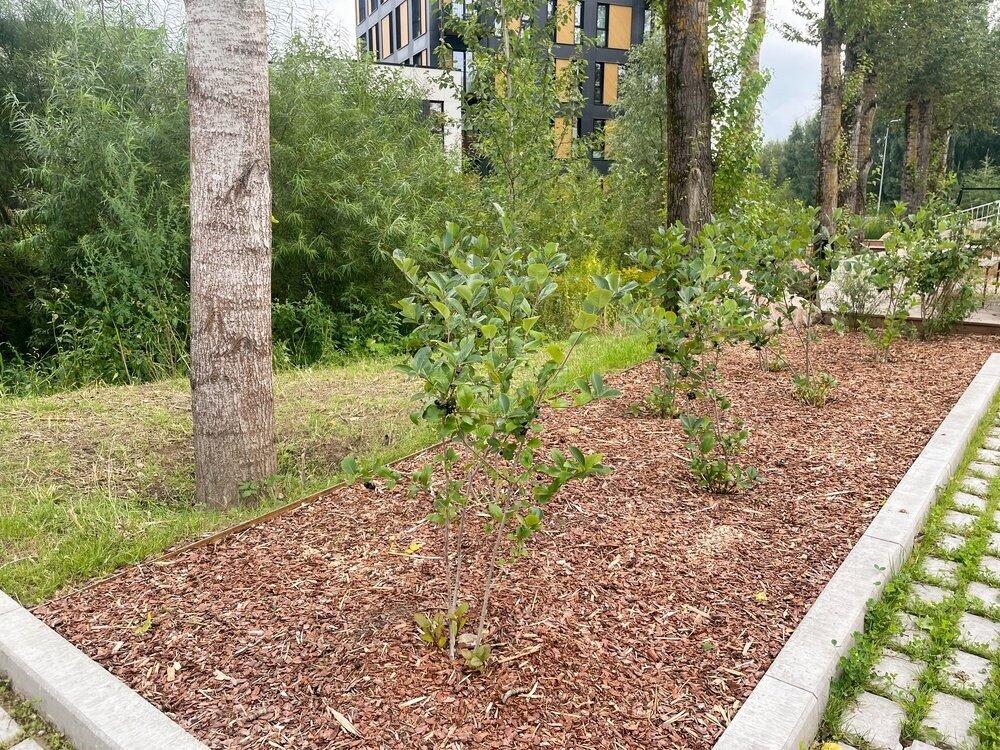
In terms of their height to which both species of chokeberry will grow‚ they can be said to be very adaptable․ The red chokeberry in particular can grow to between 6 and 10 feet tall and can spread to between 5 and 7 feet wide․ Its size makes it a good choice for a specimen plant or background to shorter flowering plants․ The black chokeberry is slightly smaller than the other two species‚ generally reaching between 3 to 6 feet (100 to 180 cm) tall and 3 to 4 feet wide․ As specimens‚ their small stature makes them suitable for many design requirements; they can fill awkward spaces in a landscape or be dense‚ shrub borders․ The thickets they can form can be helpful for birds and other wildlife throughout the year․

Plant Black Chokeberry with Red Chokeberry Plants to Accent In Landscaping

In addition to their beauty‚ red and black chokeberries can be used to provide accent colors to any lawn or landscape․ Combined ‚ they provide a mosaic of color and texture‚ with the colors of the leaves‚ standing out against the vivid flowers and berries of the foreground‚ changing from the white flowers to the bright red berries to the yellow‚ orange or crimson of the fall foliage․ If the foliage and twigs of the plants are maintained‚ red and black chokeberries can also create a corridor of colors that is always different and that people want to stop to see․
Thus‚ when both species of chokeberries are planted in a garden it allows the strengths of both species to be on display․ By planting the tall red chokeberry to take advantage of its height and its boldness‚ and having the black chokeberry's low-lying foliage assist it ‚ it allows for two spectrums of flora․ Not only does the presence of both berry-producing plants provide visual variety and contrast for the landscape‚ the red and black berries of these two plants together will attract birds and insects․ The result is that a landscape with these two plants becomes an interconnected living ecosystem․

Chokeberry Shrubs' Fruit Is Used In More Than Landscaping

Chokeberries have been important crops among Indigenous peoples historically‚ and continue to be important in various cultures‚ both for their edible and medicinal properties and because they are good sources of antioxidants‚ vitamins and minerals․ They have been used in customary medicine‚ as a source of food‚ for subsistence‚ and even in semi-cultivation amongst local environments․ Notably‚ the jam‚ jellies‚ and wine produced from these plants have been consumed as forms of sustenance‚ showing their deep involvement in the local culture․ The presence of these plants and their use in historic cures and foodstuffs indicates a unique aspect of native plants in community identity․
In conclusion‚ the red and black chokeberries are among the most enduring examples of landscape diversity and resilience‚ and their beautiful displays and unique characteristics make them an indispensable part of any landscape or garden where biodiversity and beauty have been woven together․ This relationship is a great benefit not only to the beauty of our landscapes but to the health and vitality of local ecosystems․ As we explore the possibilities of native plants in our gardens‚ chokeberries are a reminder of the natural beauty and bounty that may be ours to enjoy and to incorporate within our circumstances․

Wildlife Attraction: 

The berries attract birds and other wildlife, creating a lively and dynamic garden environment.

Stunning Red Berries: 

The Red Chokeberry produces vibrant red berries that add a burst of color to your garden, providing visual interest throughout the year.

Low Maintenance: 

This shrub is hardy and easy to care for, requiring minimal effort to maintain its beauty and health.

Versatile Planting: 

The Red Chokeberry thrives in a variety of soil types and conditions, making it a versatile choice for different garden settings.

Frequently Asked Questions

Do red chokeberries like sun or shade?

Red chokeberries grow best in full sun but also tolerate partial shade. They produce more flowers and brighter berries when given plenty of sunlight. Their adaptability makes them easy to grow in many garden settings.

Is red chokeberry native to Virginia?

Yes, red chokeberry is native to Virginia and much of the eastern United States. It grows naturally in woodlands, wetlands, and along streams. This hardy native shrub thrives easily and supports local wildlife with its flowers and berries.

Can you eat red chokeberries?

Yes, red chokeberries are edible and full of nutrients. They have a tart flavor that’s best enjoyed in jams, jellies, and baked goods. Many people also use them in juices or sauces for their natural antioxidants and bright color. DO NOT EAT ANYTHING WITHOUT PROPER KNOWLEDGE

When is the best time for planting chokeberry?

The red chokeberry plant grows best when planted in early spring or fall, as the cool and moist soil helps the roots develop before summer heat or winter frost.

Where can you buy chokeberries?

You can buy chokeberries online from TN Nursery, which offers healthy, high-quality plants for home gardens.

Does Aronia arbutifolia need a lot of water?

Aronia arbutifolia grows best with regular watering, especially in the first year. Once established, it handles dry spells well.

Why Buy Bare Root Plants From TN Nursery?

Since 1959, TN Nursery has grown and shipped quality bare root plants nationwide. Shipped during dormancy, bare-root plants develop strong root systems and establish quickly. Our experienced team carefully harvests and packages every order, providing growers with trusted plants backed by over 65 years of nursery experience.

Learn More About

Bare root trees

How We Dig, Pack & Ship

Fall Digging

Spring Digging

Packing Orders

Customer Unboxing Video