
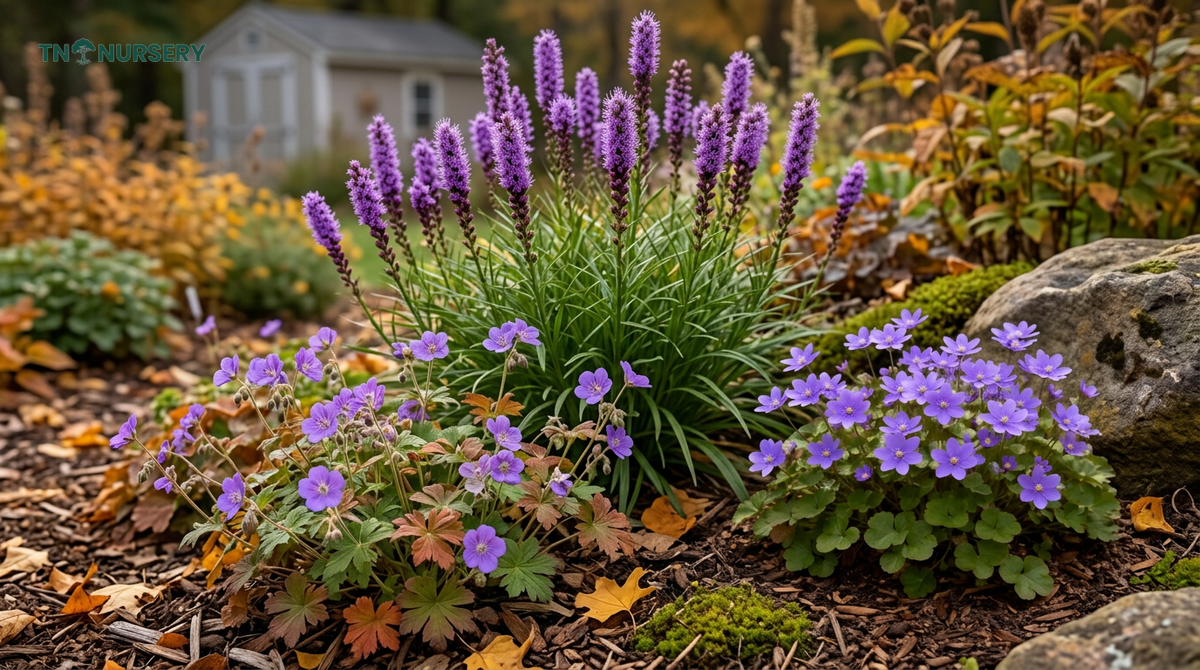
Build a stronger autumn yard with plants matched to USDA plant hardiness zones, sun, shade, and upkeep. Explore our Zone 6 collection for dependable color and structure.
What are the best fall color plants for zone 6 to buy?
- Canopy color that shifts from green into gold, orange, and deep red
- Seed heads that carry texture after flowers fade
- Late-season blooms that keep beds active into early frost
- Foliage layers with burgundy, chartreuse, and bronzed tones for contrast
How to Layer Zone 6 Fall Color That Lasts
When we plan fall color plants for zone 6, we start with height, then fill the middle, then finish at ground level. That approach keeps your yard looking full in September and October, not just for one quick week. And if you garden in mixed conditions, you'll find that matching plants to light and soil matters more than chasing color alone.
What are the best fall color plants for zone 6 to buy?
Start with a tree that gives your yard structure through every season. Then add perennials below it, so color continues after the canopy begins to thin. The goal is simple: one strong backbone, then layers that carry the show lower.
Start with canopy and structure
A tree anchors the whole planting. It sets the scale, frames the house, and gives your smaller plants a backdrop once autumn light turns lower and warmer. We suggest checking Plants For Zone 6 first, because usda plant hardiness zones help you avoid short-lived choices that struggle through winter.
Look, a large yard can handle a broad canopy. A smaller front bed may need a tighter shape so windows and walks stay clear. Keep in mind that the brightest tree is not always the easiest fit if your soil stays wet or your space is narrow.
Add mid-layer contrast with full sun perennials
Sunny borders need plants that keep working after peak summer bloom. Use mounded, upright, and airy forms together, so the bed does not flatten into one color block by October. That is where full sun perennials earn their place.
- Upright forms give the bed a clear outline late in the season.
- Mounded plants soften the base of shrubs and trees.
- Long-lasting seedheads add texture even after petals fade.
Use shade loving perennials where the yard turns cool
North sides, woodland edges, and spots under mature branches need a different plan. In those areas, shade loving perennials carry the display with leaf shape, deep green mass, and slower, richer fall transitions. But do not force sun plants into these beds. They usually stretch, thin out, and disappoint.
"The easiest way to get stronger fall color is to plant by light level and moisture, not by the photo on the tag."
How to choose the right fall color plants for zone 6?
Break the yard into dry, average, and moist areas first. Then match each plant to the real site, not the site you wish you had. Gardeners who like lower-input beds can borrow ideas from xeriscaping plants by grouping drought-tolerant selections in hotter, faster-draining spots, while keeping moisture-loving plants where the soil stays cooler.
- Pick the tree first.
- Match middle-layer plants to sun or shade.
- Place ground-level plants by moisture needs.
- Leave enough room for mature spread.
So, if you are planning for long-term success, think in layers and think in zones. That is the method we trust most for reliable color, cleaner design, and fewer losses after winter.
A Strong Anchor for Fall Color Plants for Zone 6

Mulberry Tree for Fast Shade, Fruit, and Structure
If you want more than a short burst of autumn color, we’d build around the Mulberry Tree. It grows fast, reaches 30 to 45 feet tall with a 20 to 40 foot spread, and gives your yard real canopy structure for layered planting around patios, lawn edges, or orchard-style spaces. Keep in mind that it prefers full sun and moist soil, so plan its spot around real yard conditions. You’ll also get summer fruit, spring bloom, and strong wildlife value with bees and birds drawn in over time.
- Fast-growing tree for full-sun planting, with mature height over 25 feet
- Moist-soil fruit tree that draws bees and birds through spring bloom and summer fruiting
- Low-maintenance growth with disease- and pest-resistant performance in Zones 4-9
Layer Full Sun Perennials and Shade Favorites for Zone 6
These three picks help us build the lower layers around a focal tree or mixed border with clear contrast and practical site matching. For fall color plants for zone 6, you'll get upright purple bloom, woodland foliage, and dense shaded coverage that keeps beds looking finished.


Shop Zone 6 Picks for Fall Color Plants and Full Sun Perennials
If you're planning with USDA plant hardiness zones in mind, this six-plant lineup makes comparison easy. We grouped canopy, sunny spikes, and shade-layered woodland choices so you'll find practical options for a fall-focused Zone 6 garden, from Mulberry Tree structure to understory natives that…


Frequently Asked Questions
What are the best fall color plants for Zone 6?
For fall color plants for zone 6, we suggest starting with trees from our Plants For Zone 6 collection and layering in perennials for longer interest. In most yards, a mix works best. Use trees for the main autumn show, then add full sun perennials or shade loving perennials to carry color at ground level.
How do USDA plant hardiness zones help me choose plants?
USDA plant hardiness zones tell you how much winter cold a plant can handle. That matters in Zone 6, where freeze and thaw cycles can stress new roots. If you garden in zone 6b gardening conditions, you'll want plants matched to that range so they establish faster and come back more reliably.
Can I mix full sun perennials and shade loving perennials in one yard?
Yes, and we often recommend it because most yards have more than one light condition. Plant full sun perennials in open beds and save shade loving perennials for the north side of the house, under trees, or along woodland edges. Keep in mind that one planting area should still match one light level. Don't force a sun plant into deep shade.
What works well for Zone 6b gardening in partial shade?
Partial shade gives you flexibility. We usually tell customers to use perennials there first, because they adapt well to morning sun and afternoon cover. This is also a good place to soften the edge between lawn and trees. If your soil dries out under mature roots, water new plants more closely the first season.
Are any of these good for lower-maintenance or xeriscaping-inspired areas?
Yes, but site choice matters. For drier spots, we suggest looking at tougher perennials and using them in grouped plantings instead of scattered singles. If you're planning around xeriscaping plants, give them sharp drainage and avoid overwatering. And if you're considering the autumn sage plant, place it where the soil does not stay soggy.
When should I plant trees and perennials for the best establishment?
In Zone 6, early fall and spring are both solid planting times. Fall usually gives roots a head start while the soil is still warm. Trees benefit from that extra root time before summer heat. Perennials do too, but you'll still need to water them during dry spells after planting.
How does TN Nursery ship plants?
We ship all items by 3-4 day ground shipping. That keeps transit straightforward and helps your plants arrive ready for planting. If you need help before or after an order, email us at customerservice@tennesseewholesalenursery.com.
What is TN Nursery's return or refund policy, and how can I contact you?
We do not offer refunds, and we do not accept returns. If a problem qualifies and the plant is available, we can offer a reshipment. If it is unavailable, we may offer in-store credit. We only offer a warranty when an extended warranty is purchased at the time of order. You can reach us at customerservice@tennesseewholesalenursery.com or write to Tennessee Wholesale Nursery, 12847 State Route 108, Altamont TN 37301, United States.
Conclusion
Key Takeaways
- Start with a reliable tree to anchor the landscape.
- Layer in perennials for contrast in color, texture, and height.
- Match every plant to light, moisture, and zone conditions.
- Combine woodland plants with sun-loving choices for longer seasonal interest.
- Plan for staggered color so your yard looks good for weeks, not just a few days.
