
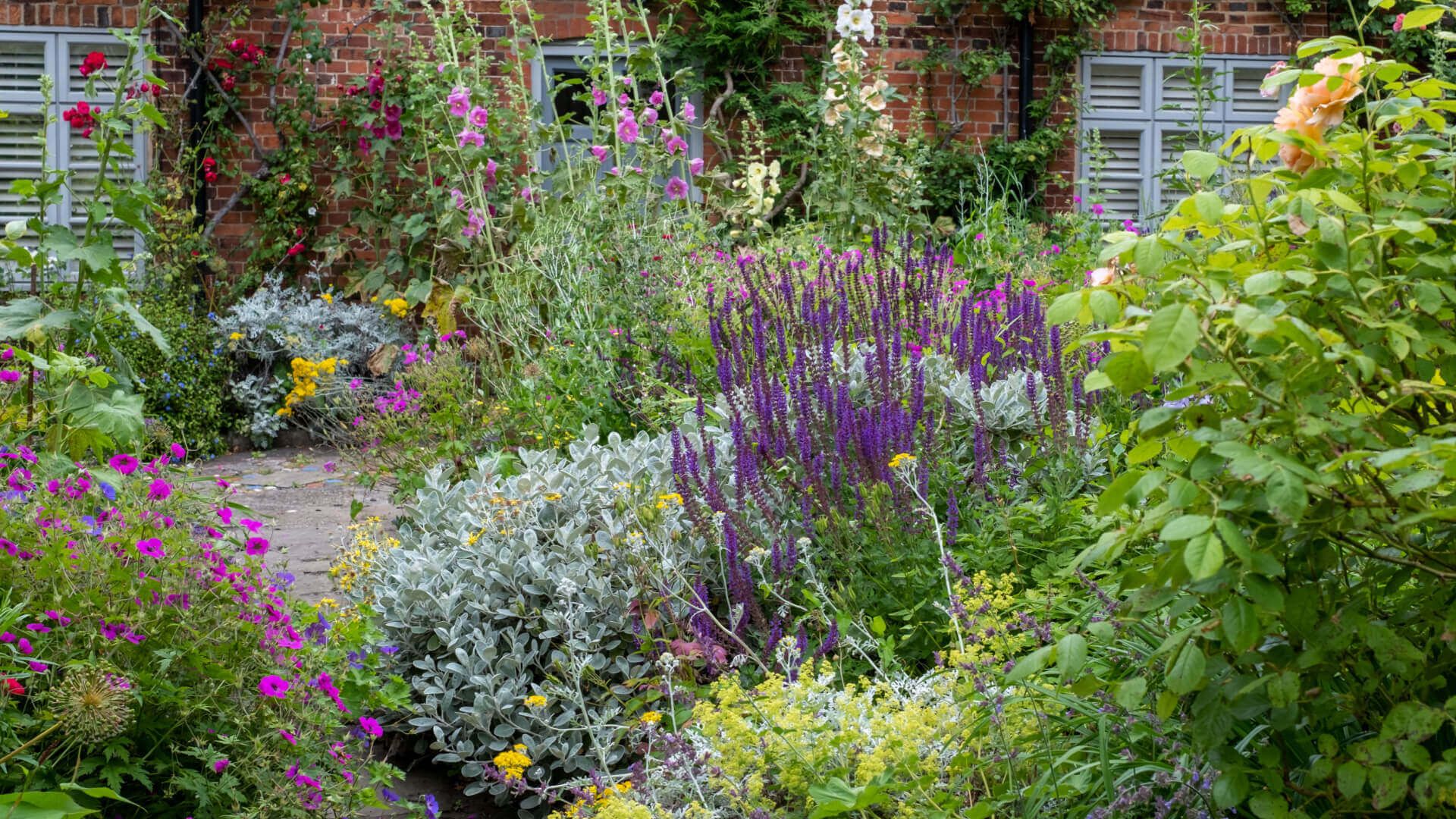
Garden phlox is unanimously considered one of the most beautiful flowers in the garden․ Brightly colored and somewhat sweet smelling‚ they are colorful flowers that can make any flower garden a colorful explosion of beauty․ Growing garden phlox is an adventure in the miracle of nature as flowers bloom in a riot of colors and fade in a beautiful end to the cycle of life․ Whether you are an experienced gardener or a casual observer‚ knowing the basics of how these lovely flowers grow will help you create an amazing display that attracts butterflies and admirers alike․ From selecting an ideal spot to plant them to carrying out seasonal care routines that ensure their continued health‚ here's how to grow garden phlox․
Light For The Garden Phlox
The first thing to consider in a successful growing environment for garden phlox is light․ Annual garden phlox will grow well in areas with full sun or with partial shade‚ but it prefers to be in a location with six to eight hours of sunlight per day․ These bright patches are bathed in sunshine from all directions‚ and life abounds there․ That is why you should consider sunlight patterns before you select a location for your garden․ Choose a spot that gets morning sunlight․ This helps dry dew from the leaves and petals‚ which helps prevent diseases that roses tend to get from a wet plant․ If you live in an area with hot summers‚ you may want to plant the roses in a spot where the afternoon sun is shaded․ Use your knowledge of which areas of your garden get the morning sun‚ or afternoon sun‚ or full sun all day‚ to your advantage with phlox․
Watering garden phlox appropriately is another important aspect of their cultivation․ Phlox prefers conditions where the soil drains well yet retains some moisture․ If the soil appears to dry out too quickly in the hotter months‚ you may want to water it weekly to keep the soil evenly moist․ If the weather was particularly dry this may mean watering your plants on a more frequent basis․ However‚ be careful not to over water your plants and drown them․ The best way to test whether your plant needs water is to stick your finger in the surrounding soil about an inch deep․ If it feels dry‚ water your plant․ The appearance of the leaves is also a big indicator of proper watering․ If the leaves are really healthy and they are green and look fresh‚ then it means that the plant is well-watered․
Fertilization For The Garden Phlox
Fertilization also plays an important role in the blooming of garden phlox․ A balanced fertilizer that is not too powerful is recommended‚ with a good rule of thumb being a slow-release fertilizer applied at the beginning of the growing season in early spring․ This should be balanced‚ containing all required nutrients․ This will give the plants an excellent head start‚ encouraging them to grow bushy and flower even more profusely․ You can also consider lightly feeding your plants with a high phosphorus fertilizer at their peak bloom time to encourage blooms․ Be careful not to over-fertilize‚ especially with nitrogen‚ or your plants will produce more leaves than flowers․ You can then see how they respond to the feed‚ and give them what they need for healthy growth․
Garden phlox can also be pruned back during summer months to promote healthy growth‚ and old flower heads can be removed during the blooming season to encourage continued flowering․ As well as improving the plant's appearance‚ this saves energy which would have gone into setting seeds‚ and encourages even more flowers․ Once the plants have finished flowering‚ and the foliage has started to die back‚ usually in late summer or early fall‚ they can be pruned back to around one-third of their original height․ This allows the garden to be tidied for the year and for the phlox to prepare for the winter months․ However‚ great care needs to be taken not to do this too soon in the season as phlox need to store energy from what little sun there is․ Correctly timed pruning both improves the health of the plant and encourages a better show the following season․
Taking Care Of Your Garden Phlox
The best way to ensure that garden phlox are healthy and thriving in different types of weather is proper seasonal maintenance․ Fall is the best time to prepare your garden for the winter season after flowers have died back․ In terms of care‚ it can help to prune back the foliage to protect against the worst of the frost‚ and to prevent the plants harboring pests and diseases in winter․ Alternatively‚ mulch can be put around the plants to provide some insulation and help the soil temperature to respond․ Another important thing to keep in mind when growing phlox is to monitor the plants for any signs of disease or insect infestation throughout the growing season․ Catching any potential issues early on will ensure that your phlox will bloom beautifully year after year and your garden will be bursting with life․
In conclusion‚ with the right amount of sunlight‚ watering‚ fertilizing‚ pruning‚ and seasonal care‚ garden phlox can be a feast for the senses while adding beauty to any garden or landscape․ Aside from being a beautiful perennial plant that draws the eye and the olfactory senses on sight‚ summer phlox are also a gardening joy to add to your gardening collection․ Learning how to grow garden phlox doesn't just end with the plants and the joy they bring․ It can actually open up your mind and improve your understanding of the wonderful relationships that exist between humans and nature․ These beautiful flowers can be grown in your garden‚ if you know what they want and learn how to provide it․


