Jed Young
Sourwood Tree

Sourwood Tree
Ships Between November 15-29
5-9
Over 25 Feet
Low and Moderate
Full sun and Partial shade
June through July
Sourwood trees thrive in well-drained, acidic soil. They prefer consistent moisture, especially during dry periods. Trim in winter to preserve shape and remove dead or diseased wood. Mulch to retain moisture and protect roots. They’re generally pest-resistant.
Sourwood trees thrive in full sun to partial shade. They prefer a location with at least 4-6 hours of natural sunlight daily but can handle some shade, especially in hotter climates. Well-drained, acidic soils enhance their growth.
Striking aesthetics & wildlife habitat , Air purification & medicinal uses, Low maintenance & cultural significance
Jed Young
Sourwood Tree
David Laird
my 4 sourtrees arrived in really good condition. I planted them the afternoon they arrived. Roots looked very good on 3 of the 4 trees (fibrous root present) and just good on one (few fibrous roots present). pleased with the condition!
Jason Dennis
Quick shipping and quality trees at a reasonable price. Will definitely buy from again.
About this plant
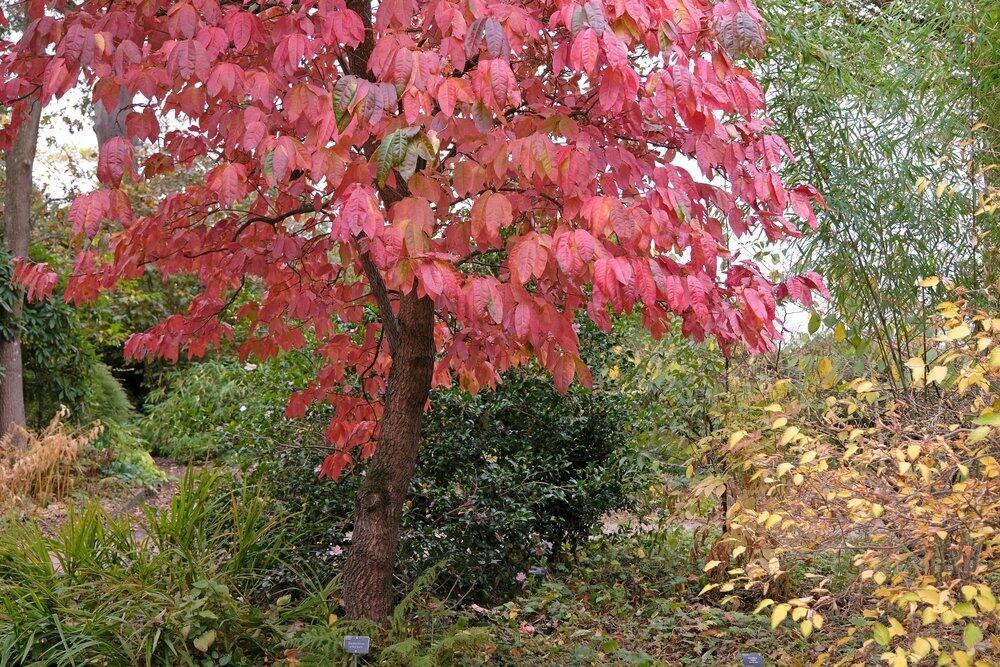
The Sourwood Tree is a stunning, deciduous, and ornamental tree that will dazzle you in the fall with its uniquely long, red leaves. The bark of this tree is gray-brown in color, with ridges. Its green leaves provide an excellent backdrop for its fragrant white flowers. Its ornamental flowers resemble those of the Lily of the Valley, giving it another common name, the Lily of the Valley Tree. It is a native deciduous tree that will be a wildlife haven in your yard. In the fall, the changing autumnal colors bring a brilliant, bold display of red leaves.
This tree is excellent in a woodland garden or as a choice specimen in a landscape. Plant this tree in an area that receives full sun to partial shade. It will have the best fall color if planted in full sun. Avoid planting this tree in a location with full shade.
Sourwood Tree needs moist soil. Ensure thorough watering until the plant is well established. Add a layer of mulch, compost, or humus around the base of this tree to increase the organic matter in the soil. As a member of the heath family, this tree will need to be planted in acidic soil to thrive. Have more alkaline soil? You can add iron or iron sulfate to the soil to make it more acidic.
Its flowers are nectar-filled and attract bees. The honey from these bees is a warm amber in color. This tree also has fruits that are attractive to wildlife, including small mammals and birds.
The Sourwood Tree is a host plant for the Lettered Sphinx butterfly and many others.TN Nursery offers native trees at affordable prices, and we frequently run a buy one, get one free sale.
A: Sourwood Trees stand out for their elegant drooping white summer flowers and brilliant red fall foliage. They add four-season interest and bring a truly native woodland charm to any landscape. Their nectar is also famous for producing the highly prized Sourwood honey.
A: They thrive in well-drained, acidic soils and prefer full sun to partial shade. While they grow naturally in the Appalachian region, they adapt well to many Eastern and Southern landscapes when planted in the right soil conditions.
A: They grow at a slow to moderate pace. They reward patience with exceptional color, clean structure, and long-term landscape value that continues to improve as the tree matures.
A: Yes. Their midsummer blooms are a magnet for bees, butterflies, and beneficial insects. They’re an excellent choice if you want to support pollinators while elevating the beauty of your garden.
A: Very. Once established, they require little more than occasional watering during prolonged periods of dryness. They naturally keep a tidy shape and rarely need pruning.
A: Most mature Sourwoods reach 20–30 feet, making them an ideal mid-sized ornamental tree for yards, woodland edges, and naturalized plantings.
A: Absolutely. They are renowned for producing some of the most vibrant reds and burgundies of any native tree. Its fall display is one of its most substantial landscape benefits.
A: Not well. Sourwoods prefer acidic, loose, well-drained soils. If you have clay or alkaline ground, amending the planting area with organic matter and planting slightly elevated can help.

Since 1959, TN Nursery has grown and shipped quality bare root plants nationwide. Shipped during dormancy, bare-root plants develop strong root systems and establish quickly. Our experienced team carefully harvests and packages every order, providing growers with trusted plants backed by over 65 years of nursery experience.
Learn More About
Bare root trees
Fragrant Flowers:
The Sourwood Tree produces delightful, fragrant white blooms in summer, adding a pleasant scent to your garden.
Unique Appearance:
With its distinctive flower clusters and attractive bark, the Sourwood Tree stands out as a focal point in any landscape.
Wildlife Friendly:
The blooms attract pollinators like bees and butterflies, supporting local wildlife and enhancing your garden’s ecosystem.
Vibrant Fall Foliage:
In autumn, the tree’s leaves turn a stunning red, providing a beautiful contrast and seasonal interest.
Fall Digging
Spring Digging
Packing Orders
Customer Unboxing Video
So excited to have finally found a Sourwood tree. It is very healthy and beautiful. Thank you!
The Sourwood Tree from TN Nursery has brought unique beauty to my garden. Its summer blooms and fall color are both outstanding. The tree was healthy and strong right out of the box.
The Sourwood Tree I purchased is thriving in my landscape. It came with well-developed roots and lush foliage. TN Nursery always provides top-quality trees, and this one is no exception.
The Sourwood Tree from TN Nursery exceeded my expectations. It was delivered quickly, packaged carefully, and is already growing well in my yard. Its seasonal color makes it an excellent choice.
I love the Sourwood Tree I received from TN Nursery. It provides year-round interest with beautiful flowers in summer and brilliant red foliage in the fall. The tree was shipped fresh and healthy.
The Sourwood Tree I ordered is gorgeous. Its clusters of creamy-white flowers bring beauty and fragrance to my landscape. TN Nursery provided a strong, healthy tree that transplanted with ease.
My Sourwood Tree from TN Nursery is thriving beautifully. It came well-packaged, with a strong root system, and adapted quickly to my garden soil. The leaves are vibrant and full of life.
The Sourwood Tree I purchased from TN Nursery arrived in excellent condition. Its unique shape and striking summer flowers make it a standout in my yard. I am very impressed with the quality.
Trees arrived yesterday. Look great planting today zone 8. We shall see. Not my first barefoot purchase from TN. It's been hit or miss. Could be operator error(me) not faulty merchandise. I am stubborn and keep trying.
Sourwood Tree
my 4 sourtrees arrived in really good condition. I planted them the afternoon they arrived. Roots looked very good on 3 of the 4 trees (fibrous root present) and just good on one (few fibrous roots present). pleased with the condition!
Quick shipping and quality trees at a reasonable price. Will definitely buy from again.
The tree that I received was in perfect condition! It had great roots and still had plenty of moisture for the tree! I will definitely be ordering from here again!
Sourwood saplings arrived with a good root system and sturdy trunk.
TN makes it very easy to order trees which the big box stores typically don't offer.
Arrived healthy and strong. My beehives are close to the plantings, so the honey bees will produce succulent honey.
Shipping was prompt and on time. The Sourwood trees were shipped bare root. Upon inspection the roots were still damp. As the tree's are dormare, I'll have to wait until spring to give an update. Thus far I give 5 stars.
The 4 trees I received looked to be healthy enough to grow. I immediately opened the box ,placed them in water and planted them as required the next day using stakes to hold them in place. I hope this batck will survive the winter so I can start planting more next Fall. Bob T
The two sourwood trees I ordered arrive looking healthy and I planted them right away. I was a little disappointed to see one of the tree’s leader branch was broken off. I hope it grows a stronger new one.
Bought 3 sourwood plants. They arrived In late October. Plants looked very healthy and had great development roots. Keeping fingers crossed to see them grow new leaves in spring. Northern NJ
Took longer than I thought to get them, but they were packed well and alive.
Nice root system to go along with the tree
Sourwood Tree
Sourwood Tree
The tree was packed nicely The roots looked very healthy.
Thank you for much better trees than previous orders…. Taller, Thicker Stems and sturdy….
good quality packaged well
Bare-root arrived in good condition, as expected. Thank you.
The plants arrived quickly, well packaged and healthy.
Shipped out the next day even though the website said they wouldn’t ship till February. Arrived in excellent condition with good roots. Very happy with my purchase.
Impressed with the quality and packaging of these tree. Will def buy more products from TNNursery
Impressed with the quality and packaging of these tree. Will def buy more products from TNNursery
Arrived very well packaged and in excellent condition