Pamela Brigham
River Birch Tree

Honey Locust Tree
Ships Between November 15-29
3-9
30–70 feet tall and about as wide
Low and Moderate
Full sun, Partial shade, and Shade
Late spring to early summer, typically May through June.
Plant Honey Locust in full sun.
Full Sun
Striking Appearance & Wildlife habitat , Environmental benefits & low maintenance, Year-round Interest & disease resistance
Pamela Brigham
River Birch Tree
Scott Eberstein
Great looking trees, planted them near our wildlife pond, put fencing around them to protect them, some had leaves, they be tested the next couple nights, near freezing temperatures, thanks
STACIA LONGO
My trees arrived. I planted them and waiting for them to grow.
About this plant
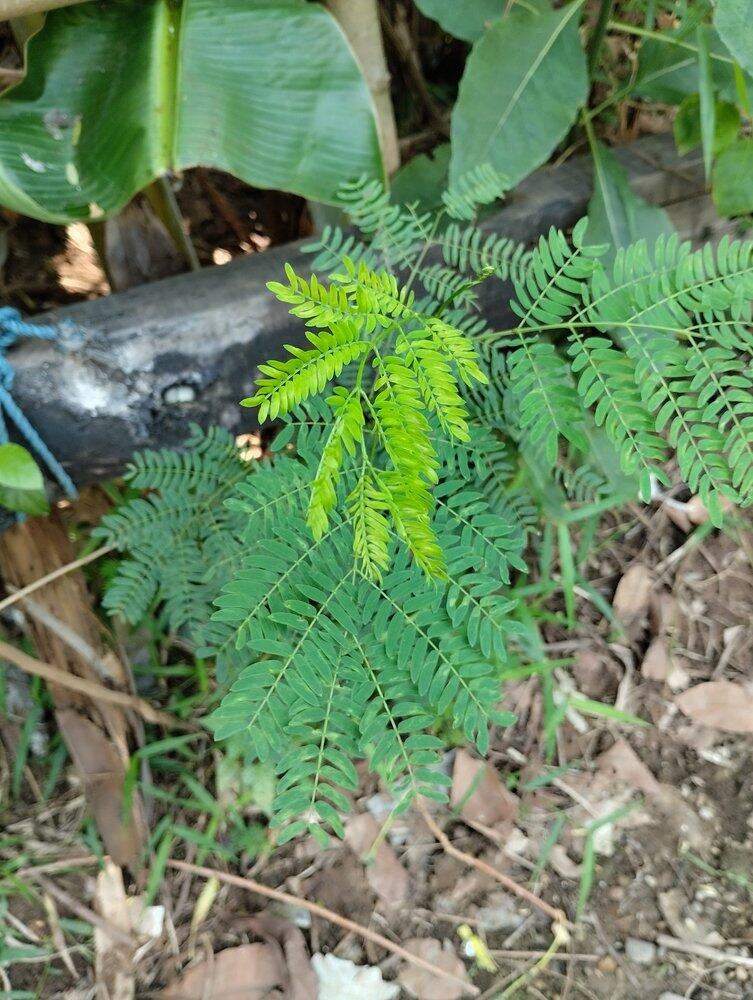
The American honey locust, or Gleditsia triacanthos, is a versatile native tree known for its delicate, fern-like foliage, sweet seed pods, and toughness. Its long thorns discourage browsing animals, while its long, flat pods feed a variety of wildlife. It does well in urban soils.
Honey locust typically reaches 30–70 feet tall and about as wide, growing about 2 feet per year in good conditions. It is hardy in USDA zones 3 to 9 and grows best in full sun.
Honey locust is hardy and long-lived, often living more than 100 years. Small, greenish flowers appear in late spring or early summer, followed by long, flat seed pods that ripen in fall, when the leaflets turn clear yellow.
The common name of honey locust is not due to bees, although pollinators are attracted to the flowers. The ‘honey’ reference comes from the sweet, honey-flavored pulp surrounding the seeds inside the tree’s seed pods.
Honey locusts is an excellent native tree for giving wildlife food and shelter. Deer, squirrels, rabbits, birds, and other wildlife eat the sweet pulp. The small flowers also provide nectar and pollen for bees.
Another benefit of the honey locust is its remarkably strong, durable wood, a quality that complements the tree’s overall toughness and resilience. Its ability to tolerate a range of growing conditions makes it useful for native wildlife plantings and habitat restoration projects.
Honey locust trees are excellent choices for windbreaks and erosion control on compromised sites. Their adaptability and wildlife value can also make them useful for woodland and habitat restoration projects in both rural and urban environments. Their deep, wide-spreading root system and drought tolerance help explain why the species has long been used on difficult sites and in windbreak plantings.
Before choosing a honey locust tree for sale, consider the amount of space available at your planting site. This is a large tree with a broad, open growth habit, so it is best suited to open areas where it has room to mature. The straight species also has large, sharp thorns on its trunk and branches, making it a poor choice beside walkways, play areas, and other high-traffic spaces.
This plant ships bare root.
For more information on choosing and growing native species, explore our guide to native trees. You can also browse our collection of trees to discover more options for wildlife habitats, windbreaks, and landscape planting.

Since 1959, TN Nursery has grown and shipped quality bare root plants nationwide. Shipped during dormancy, bare-root plants develop strong root systems and establish quickly. Our experienced team carefully harvests and packages every order, providing growers with trusted plants backed by over 65 years of nursery experience.
Learn More About
Bare root trees
Distinctive Bark:
The River Birch Tree features striking, peeling bark that adds unique texture and visual interest to any landscape.
Wildlife Friendly:
Attracts birds and other wildlife, providing both beauty and ecological benefits to your garden or yard
Adaptable Growth:
Thrives in a variety of soil conditions, including wet and poorly drained areas, making it a versatile choice for different environments.
Elegant Form:
With its graceful, multi-trunk structure and attractive foliage, the River Birch Tree enhances the aesthetic appeal of any garden.
Fall Digging
Spring Digging
Packing Orders
Customer Unboxing Video
Product Highlight
I am very happy with the Honey Locust tree I bought from TN Nursery. It arrived very healthy and in great condition. I am looking forward to watching it grow and flourish.