Honey Locust - TN Nursery

Honey Locust Tree

1-2' / Buy 1 Get 1 Free
$21.99
Skip to product information

Honey Locust Tree

Height Shipped
Quantity: (Buy More, Save More)

Buy 1, Get 1 FREE - Add 1 to your cart, and we'll automatically send the second one FREE!Bulk pricing applied. Free plant offer is only on the Buy 1 Get 1 Free option.

$21.99
$11.00 each 2 plants (buy 1, get 1 free)
Ships Between November 15-29
0% interest Get Easy Pay Installments when you spend $35+ with
? Split your order into interest-free payments at checkout with Shop Pay. Available on orders of $35 or more.

Frequently bought together

Total for 4 items

Ask a Question About This Plant. Get a Quick, Expert Answer
Honey Locust - TN Nursery
1/3

Planting & Growing Information

Ships

Ships Between November 15-29

Planting Zone

4-9

Height at Maturity

Over 25 Feet

Water Needs

Low and Moderate

Sun or Shade

Full sun, Partial shade, and Shade

Bloom Season

Late spring to early summer, typically May through June.

Care

Plant Honey Locust in full sun.

Exposure

Full Sun

Plant Attributes

Striking Appearance & Wildlife habitat , Environmental benefits & low maintenance, Year-round Interest & disease resistance

How to tell if your bare root plants are alive or dead QR code
How to tell if your bare root plants are alive or dead

Scan to watch the quick scratch test we use to check trees, ferns, and perennials the moment they arrive.

Watch the video

Planting & Growing Information

Ships

Ships Between November 15-29

Planting Zone

4-9

Height at Maturity

Over 25 Feet

Water Needs

Low and Moderate

Sun or Shade

Full sun, Partial shade, and Shade

Bloom Season

Late spring to early summer, typically May through June.

Care

Plant Honey Locust in full sun.

Exposure

Full Sun

Plant Attributes

Striking Appearance & Wildlife habitat , Environmental benefits & low maintenance, Year-round Interest & disease resistance

Honey Locust Tree Details

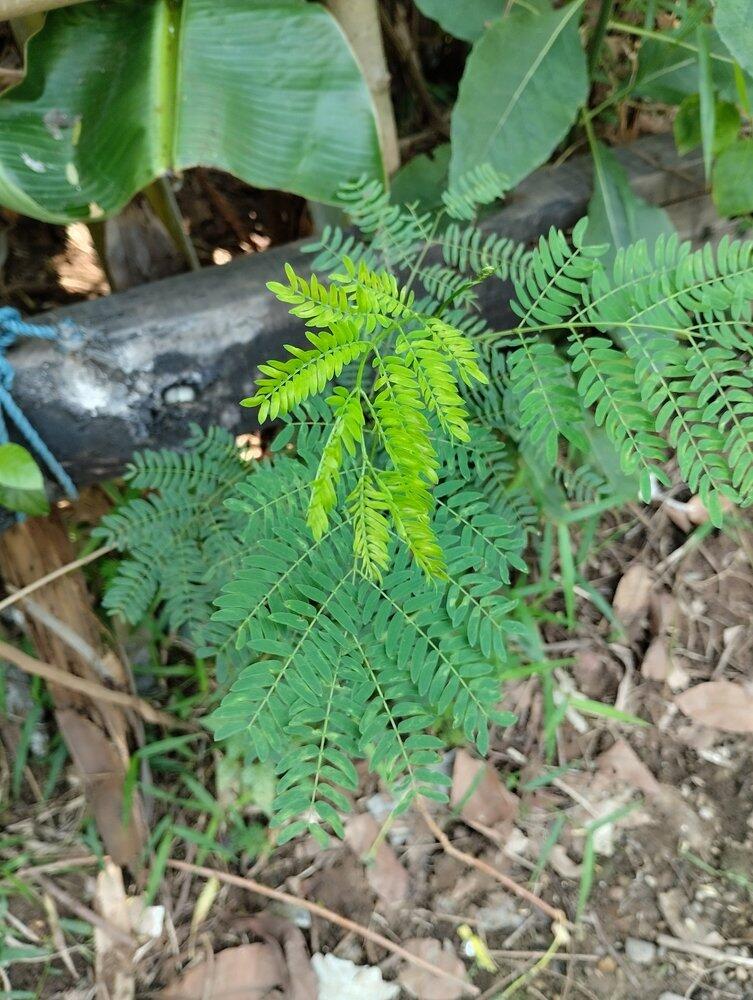
The American honey locust, or Gleditsia triacanthos, is a versatile native tree known for its delicate, fern-like foliage, sweet seed pods, and toughness. Its long thorns discourage browsing animals, while its long, flat pods feed a variety of wildlife. It does well in urban soils. 

Honey locust typically reaches 30–70 feet tall and about as wide, growing about 2 feet per year in good conditions. It is hardy in USDA zones 3 to 9 and grows best in full sun. 

Growth, Resistance and Longevity

Honey locust is hardy and long-lived, often living more than 100 years. Small, greenish flowers appear in late spring or early summer, followed by long, flat seed pods that ripen in fall, when the leaflets turn clear yellow.

The common name of honey locust is not due to bees, although pollinators are attracted to the flowers. The ‘honey’ reference comes from the sweet, honey-flavored pulp surrounding the seeds inside the tree’s seed pods. 

Honey Locust Trees Offer Wildlife Value

 Honey locusts is an excellent native tree for giving wildlife food and shelter. Deer, squirrels, rabbits, birds, and other wildlife eat the sweet pulp. The small flowers also provide nectar and pollen for bees. 

Another benefit of the honey locust is its remarkably strong, durable wood, a quality that complements the tree’s overall toughness and resilience. Its ability to tolerate a range of growing conditions makes it useful for native wildlife plantings and habitat restoration projects.

Erosion Control and Windbreak Coverage

Honey locust trees are excellent choices for windbreaks and erosion control on compromised sites. Their adaptability and wildlife value can also make them useful for woodland and habitat restoration projects in both rural and urban environments. Their deep, wide-spreading root system and drought tolerance help explain why the species has long been used on difficult sites and in windbreak plantings.

 Choosing a Honey Locust Tree for Sale

Before choosing a honey locust tree for sale, consider the amount of space available at your planting site. This is a large tree with a broad, open growth habit, so it is best suited to open areas where it has room to mature. The straight species also has large, sharp thorns on its trunk and branches, making it a poor choice beside walkways, play areas, and other high-traffic spaces.

This plant ships bare root.

Frequently Asked Questions

Is it worth it to buy honey locust tree stock for a large property?

A honey locust tree is a good fit for large, open spaces such as farms, pastures, and big yards. It grows 30 to 70 feet tall and needs full sun, so it should be planted away from buildings and walkways.

Does honey locust have thorns?

The wild form of this tree has large, branched thorns on the trunk and branches, which can grow several inches long. Because of this, it is best planted in open areas, along fence lines, or in windbreaks rather than near sidewalks or play areas.

Does honey locust drop a lot of pods?

It produces long, flat seed pods that ripen in the fall and drop through the winter. Many people leave them for wildlife, but in a lawn or near a patio, you may need to rake them up. The leaflets are small and usually break down on their own.

How far from the house should a honey locust be planted?

Plant honey locust at least 30 feet from your house and other structures. The tree develops a broad crown and a wide-spreading root system, and planting it in the open also keeps the thorns and pods away from areas you use often.

How fast does honey locust grow?

Honey locust is a fast-growing shade tree that can grow about 2 feet per year in full sun and good soil. Growth is usually slower during the first year after planting while the roots become established.

Can honey locust grow in urban areas?

This tree tolerates poor soil, drought, and road salt better than many shade trees, which is why it has been widely planted along streets and in parking areas. It grows best in full sun.

Root system of a plant on soil with a trowel nearby

Why Buy Bare Root Plants From TN Nursery?

Since 1959, TN Nursery has grown and shipped quality bare root plants nationwide. Shipped during dormancy, bare-root plants develop strong root systems and establish quickly. Our experienced team carefully harvests and packages every order, providing growers with trusted plants backed by over 65 years of nursery experience.

Learn More About

Bare root trees
TN Nursery satisfaction guarantee badge - TN Nursery

Distinctive Bark: 

The River Birch Tree features striking, peeling bark that adds unique texture and visual interest to any landscape.

TN Nursery satisfaction guarantee badge - TN Nursery

Wildlife Friendly: 

Attracts birds and other wildlife, providing both beauty and ecological benefits to your garden or yard

TN Nursery satisfaction guarantee badge - TN Nursery

Adaptable Growth: 

Thrives in a variety of soil conditions, including wet and poorly drained areas, making it a versatile choice for different environments.

TN Nursery satisfaction guarantee badge - TN Nursery

Elegant Form: 

With its graceful, multi-trunk structure and attractive foliage, the River Birch Tree enhances the aesthetic appeal of any garden.

‹
›

How We Dig, Pack & Ship

Fall Digging

Spring Digging

Packing Orders

Customer Unboxing Video

Product Highlight

  • 5 stars: 1 (100%)
  • 4 stars: 0 (0%)
  • 3 stars: 0 (0%)
  • 2 stars: 0 (0%)
  • 1 star: 0 (0%)
L
Leslie

I am very happy with the Honey Locust tree I bought from TN Nursery. It arrived very healthy and in great condition. I am looking forward to watching it grow and flourish.