Jenny Matysse
I love them! Cannot wait for their growing period.

Fiddlehead Fern
Ships Spring 2027
3-7
3–5 Feet
Moderate and High
Shade and Partial shade
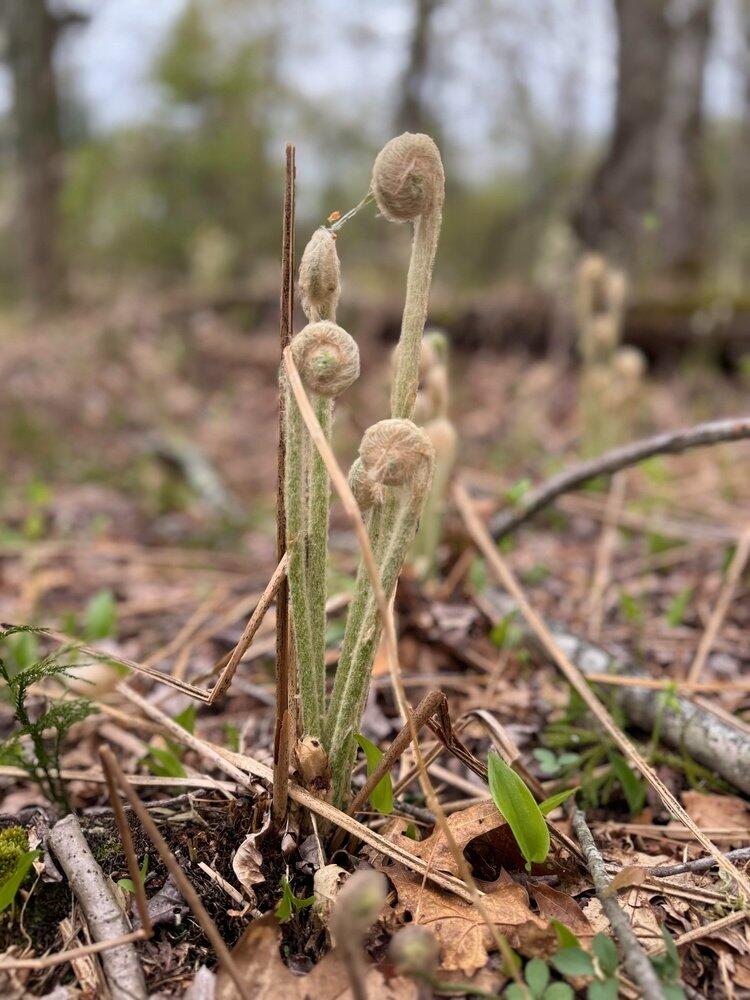
Fiddleheads emerge in spring (April–May)
Fiddlehead ferns love consistently moist, rich soil, so water regularly to keep the soil damp. Mulch each fall with shredded leaves, and cut the old brown fronds to the ground in early spring before new fiddleheads appear.
Fiddlehead ferns thrive in part to full shade and dappled woodland light, like their natural streamside habitat. With constantly moist soil, they also grow well in more sun.
Grows 3-5 Feet In Height , Edible spring fiddleheads, Flourishes with minimal effort
Jenny Matysse
I love them! Cannot wait for their growing period.
Jennifer Soh
Arrived alive and well! I can see little baby fern leaves peeking out!
ANTHONY ORISCHAK
Arrived with tiny green fiddleheads so excited!
About this plant
Fiddlehead ferns are ostrich ferns (Matteuccia struthiopteris), a native shade fern whose tightly coiled spring shoots, called fiddleheads, are a prized seasonal vegetable. The plants grow 3 to 5 feet tall, are hardy in USDA zones 3–7 and thrive in part to full shade. TN Nursery ships bare-root fiddlehead fern plants, Buy 1 Get 1 Free.
The ostrich fern belongs to the family Onocleaceae and grows wild along rivers, stream banks and rich, moist woodlands across the northern United States and Canada, south through the Appalachian Mountains. Gardeners and cooks know the plant as fiddlehead fern, ostrich fern and shuttlecock fern. In April and May, each crown sends up a ring of green fiddleheads shaped like the scroll of a violin. The fiddleheads unroll into tall, feathery, bright green fronds arranged in an upright vase, like a shuttlecock, and in late summer the plant adds short, stiff brown fertile fronds in the center that stand through winter.
Fiddlehead ferns are the young, tightly coiled fronds of a fern, and the fiddleheads sold for eating come from the ostrich fern, Matteuccia struthiopteris. The name comes from the curled tip, which looks like the scroll at the end of a fiddle.
Every fern unrolls from a fiddlehead, but the ostrich fern is the one gardeners and chefs grow for the table. Ostrich fern fiddleheads are about 1 inch across, bright green, with a smooth stem and a deep U-shaped groove on the inside, and they carry thin, papery brown scales that rub off easily. Fiddlehead ferns taste fresh and green, often compared to asparagus and young green beans.
Fiddlehead ferns grow best in part to full shade in rich, moist to wet soil that never dries out. Fiddlehead ferns also grow in more sun when the soil stays constantly moist, such as beside a pond or stream.
Ostrich ferns love humus-rich, slightly acidic soil and thrive in clay and in low, seasonally wet ground. Water weekly through the first summer and spread shredded leaves around the crowns. Fiddlehead ferns spread by underground runners and fill in quickly as a lush, dense colony, which makes the plant an excellent choice for covering a shady slope, a stream bank or the north side of a house.
Harvest fiddleheads in spring while the coils are tight and 1 to 2 inches tall, picking about half of the fiddleheads from each crown so the plant stays vigorous. Rinse and cook fiddleheads before eating, by boiling for 15 minutes or steaming for 10 to 12 minutes.
| Step | How to do it |
|---|---|
| Harvest | Snap off tight coils 1–2 inches above the soil, about half per crown |
| Clean | Rub off the brown papery scales and rinse in several changes of cold water |
| Cook | Boil 15 minutes or steam 10–12 minutes |
| Serve | Sauté in butter with garlic and lemon, or add to pasta and stir-fries |
| Store | Refrigerate fresh up to 10 days, or blanch and freeze |
Let a new planting grow for 2 to 3 seasons before the first harvest, so each crown is large and well rooted.
Plant bare-root fiddlehead ferns with the crown just at the soil surface and the roots spread 2 to 4 inches below, spacing plants 2 to 3 feet apart. Plant in fall or early spring for the fastest start.
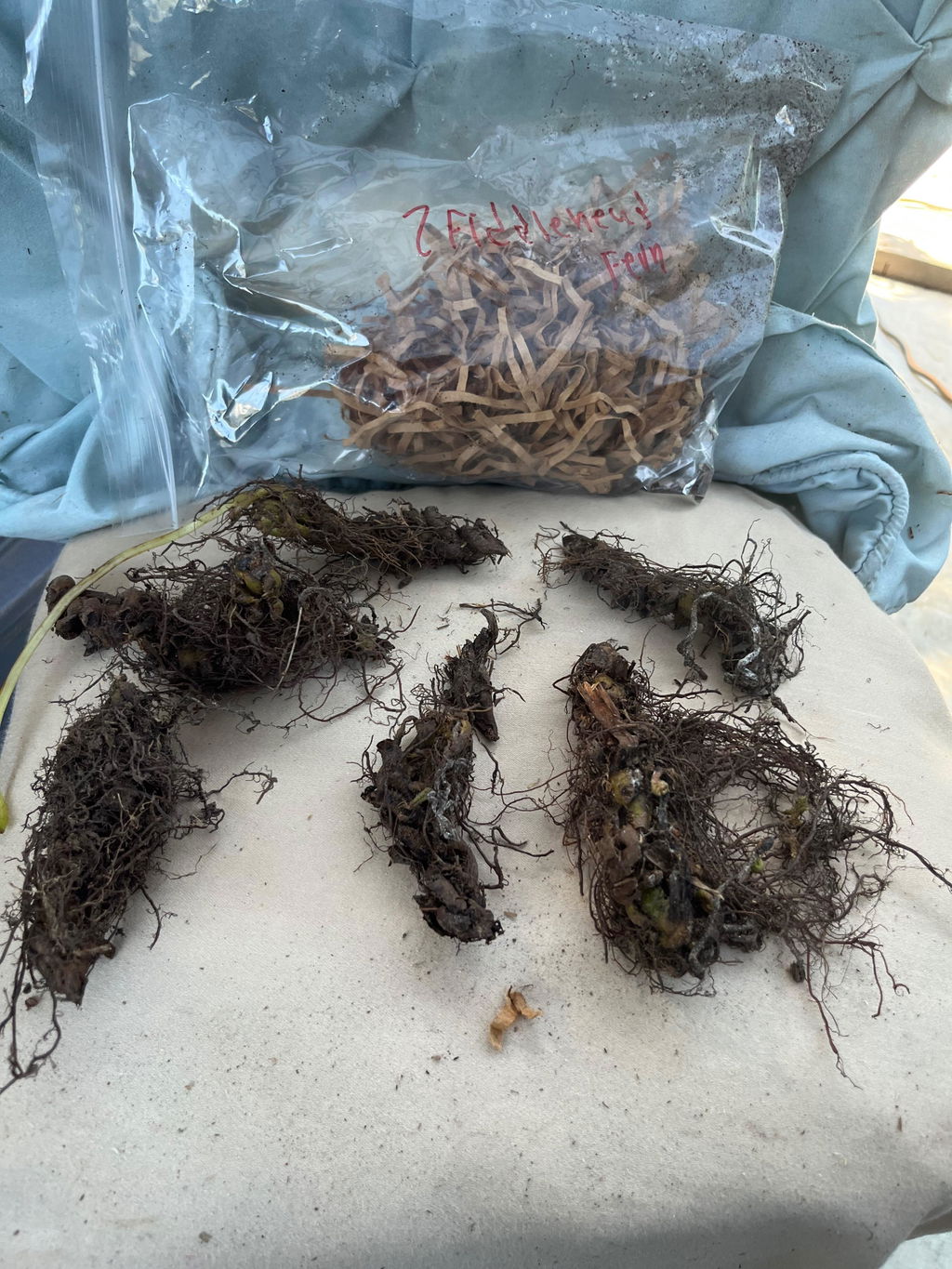
At our Altamont, Tennessee nursery, TN Nursery digs fiddlehead ferns while they are dormant and ships them bare root, with no soil around the roots. Each plant arrives as a dormant crown with a cluster of roots and runners.
A Buy 5 Get 3 Free pack of 8 ferns fills a 6-by-8-foot shade bed at 2-foot spacing, and the 25-plant bundle starts a long woodland border.
Spring woodland wildflowers and other native ferns grow well with fiddlehead ferns. Virginia bluebells and white trillium bloom among the unrolling fiddleheads in April. Jack-in-the-pulpit and mayapple share the same moist shade, and wild ginger carpets the ground between crowns. Mix in cinnamon fern and evergreen Christmas fern for varied texture. Browse more in our ferns and large ferns collections.
Botanical Name: Matteuccia struthiopteris
Plant Family: Onocleaceae
Ships: Bare root, dormant crowns
Planting Zone: 3–7
Height at Maturity: 3–5 feet, up to 6 feet in rich, wet soil
Spacing: 2–3 feet
Sun or Shade: Part to full shade; more sun with constant moisture
Water Needs: High; keep soil moist to wet
Soil: Rich, humus-rich, slightly acidic soil; adapts to clay and wet sites
Fiddlehead Season: April–May
Foliage Color: Bright green
Origin: Northern North America, Europe and Asia
Care: Mulch each fall with shredded leaves. Cut the old brown fronds to the ground in early spring before new fiddleheads appear.
Plant Attributes: Native, edible fiddleheads, fills in quickly, shade loving, thrives in wet soil, deer resistant
Fiddlehead ferns grow 3 to 5 feet tall, and ostrich ferns reach up to 6 feet in rich, constantly moist soil.
Yes. Ostrich fern fiddleheads are edible when cooked: rinse well, then boil for 15 minutes or steam for 10 to 12 minutes before serving.
Fiddleheads are in season in spring, usually April and May, for about 2 to 3 weeks while the coils are still tight.
Yes. Fiddlehead ferns spread by underground runners and fill in quickly as a dense colony in moist shade.
Yes. Deer and rabbits rarely browse fiddlehead ferns, so ostrich ferns stay full in woodland gardens.
Fiddlehead ferns grow in USDA hardiness zones 3 through 7.
TN Nursery has grown hardy native plants since 1959, more than 65 years of experience, and has supplied plants to major U.S. landmarks like the Washington Monument and Arlington National Cemetery. At our Altamont, Tennessee nursery, we grow and ship native ferns like the fiddlehead fern to shade gardens across the country. Each order is dug and packed bare root so the crowns settle in quickly and send up fiddleheads in spring. Want to learn more first? Read The Enchanting Fiddlehead Fern, The Complete Guide to Growing Ostrich Ferns and The Ostrich Fern on our garden blog.

Since 1959, TN Nursery has grown and shipped quality bare root plants nationwide. Shipped during dormancy, bare-root plants develop strong root systems and establish quickly. Our experienced team carefully harvests and packages every order, providing growers with trusted plants backed by over 65 years of nursery experience.
Learn More About
Bare root trees
Unique Fronds:
Renowned for their coiled fronds that unfurl into lush, intricate patterns, adding a captivating beauty to any garden.
Adds Texture:
The intricate fronds add texture and depth, complementing other plants and flowers beautifully.
Thrives in Shade:
Perfect for shady spots, bringing lush, vibrant greenery to moist woodland corners.
Supports Biodiversity:
Provides habitat for small wildlife and insects, enhancing local biodiversity and a healthier ecosystem.
Fall Digging
Spring Digging
Packing Orders
Customer Unboxing Video
My Fiddlehead Fern came up beautifully and looks amazing in my shade garden. I love watching the little fiddleheads unfurl into big, lush green fronds!
I ordered buy one get one free and I received three vigorous roots with some fiddleheads start to poking out on each! Thank you so much for a great first purchase experience.
I already feel like a success
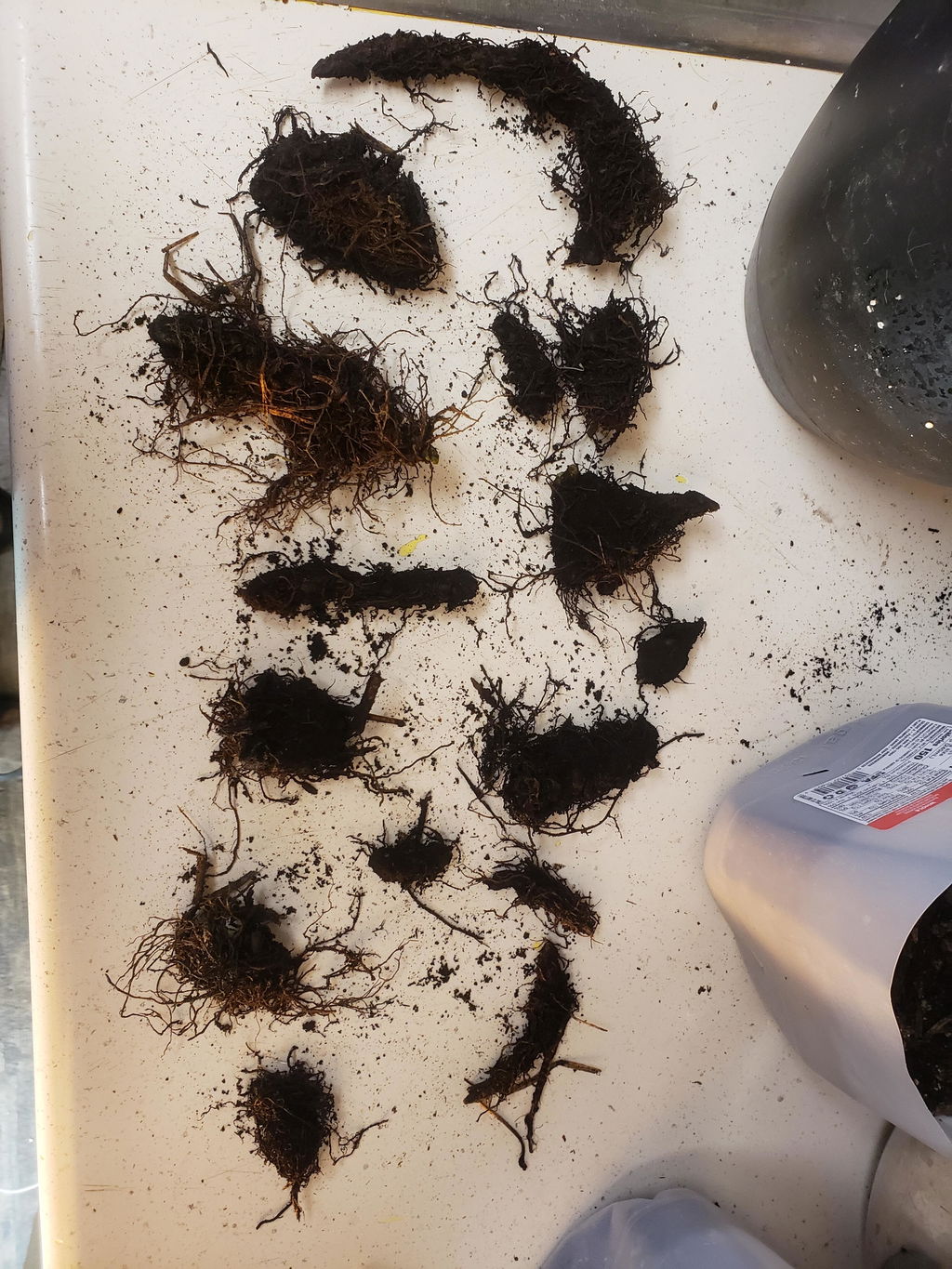
I ordered 4 and ended up with 18, 4 of which are not in photo.
I'm excited for these guys to grow..
Shipping was quick, packed carefully and a bonus.. how can it go wrong? If half grow i got more than my moneys worth.. I did plant the little ones by each other with room to grow for support..
Thanks guys for the bonus..
It took a little time (6 weeks) but I am seeing good growth from the bare roots that arrived. Some were sprouting already in the box- looked very fresh. I was impressed with how TN Nursery efficiently packed the roots and appreciate their reasonable shipping rates. One piece of advice I'd give to other fern planters: I marked where I planted the bare roots with a golf tee so I could keep track of where to water. (And also where to look for the growth). It helped a lot. Happy planting!
The
The Ferns I ordered were nice with little wiry root system. Some of the roots already had a bit of green started. Just received them and planted them, so don't know how they will do yet. I'm excited to see them grow up healthy. I love Fiddle Head Ferns.
I ordered a BOGO of these but they sent extras and they were robust plant. One frond is now about 12 inches after about a week.
I was impressed with the quality of the Fiddlehead Ferns I received. They were carefully packaged, very healthy, and have already adapted to my soil. TN Nursery truly delivers top-quality plants.
The Fiddlehead Ferns I purchased from TN Nursery add real woodland charm to my property. Their curled fronds are so distinctive, and they’re growing strong in my shaded garden areas.
My Fiddlehead Ferns from TN Nursery are thriving. They are unique, hardy, and add natural woodland beauty to my landscaping. Each plant arrived fresh, vibrant, and with strong roots.
I am amazed by how lush and vibrant my Fiddlehead Ferns are. TN Nursery shipped them quickly, and they arrived strong and ready to plant. They’re already spreading beautifully in my shady garden.
The Fiddlehead Ferns I bought from TN Nursery are perfect for adding both beauty and functionality to my landscape. Their unique curled fronds bring charm, and the plants established quickly.
I ordered Fiddlehead Ferns from TN Nursery, and they are thriving in my shaded backyard. These plants are not only attractive but also a great edible addition. Every fern was well-packaged and healthy.
The Fiddlehead Ferns I purchased from TN Nursery arrived fresh, green, and full of life. Their curled fronds are beautiful, and they’ve taken root quickly in my garden. I couldn’t be happier with the quality.
How would I know anything about fiddlehead Fern? I just planted the bare roots And hopefully they will come out in the spring! My business transaction was smooth and shipping and delivery was efficient, but I wont know how the plants are Until they come up in the spring.
I love them! Cannot wait for their growing period.
Arrived alive and well! I can see little baby fern leaves peeking out!
Arrived with tiny green fiddleheads so excited!
I received my ferns packaged well. I have in the past recurved bare root plants from other nurseries dried and ****. I was pleasantly surprised these were fresh and small fern shoots nice and green. I planted as instructed but also reviewed on line. My fiddlehead shoots are about 3-4 inches tall now and I’m pleased with my purchase
Fiddlehead ferns in great condition. Disappointed in shipping time.
Will buy again from this nursery
My fiddlehead ferns arrived in great shape, ready to plant.
My ferns arrived quickly and with wonderful directions.
2 for 1 was a great deal
I received my new plants yesterday and put them in the ground today. They are obviously alive and ready to grow! I am excited to see the new growth which should be very soon. Dormant plants are so much easier to pack and ship without damage, the roots are beautiful and are showing sprouts already. Very excited to have native ferns!
If possible it would have helped to have the total quantity equal or close to similar size. However, all was great!! Thank you
I ordered my bare root fiddlehead ferns as part of an ongoing project to put edible North American native plants in my backyard garden, and these definitely fit the bill. While they're not technically native to my Zone 8 Georgia yard, they're still native to the Americas. Within a few days of getting them into the ground, the rain activated them and we had little fiddleheads poking up in several places. I look forward to seeing them grow and getting to eat their little fronds once they're well-established.
Good health, thank you!
What I can say further is only that if I do not succeed in growing ferns with the roots you sent me, am sure it will somehow be my fault or the fault of the soil I planted them in.Very impressed with both the quality and the quantity of the roots. There were more of them than I expected, for which I am very grateful. Will
Was so excited to have received my fiddlehead ferns. Shipping was fast and they arrived healthy and are in the ground awaiting my excitement. Thank you, TN Nursery.
Awesome experience! Very happy and pleased. Order was filled quickly and received shortly after shipment. Well packaged and easy instructions! Will buy more plants from this vendor!
The product description and planting guide was perfect, the shipping was amazing and hopefully the plant will thrive and grow wonderfully with all the care that TN Nursery put into it.