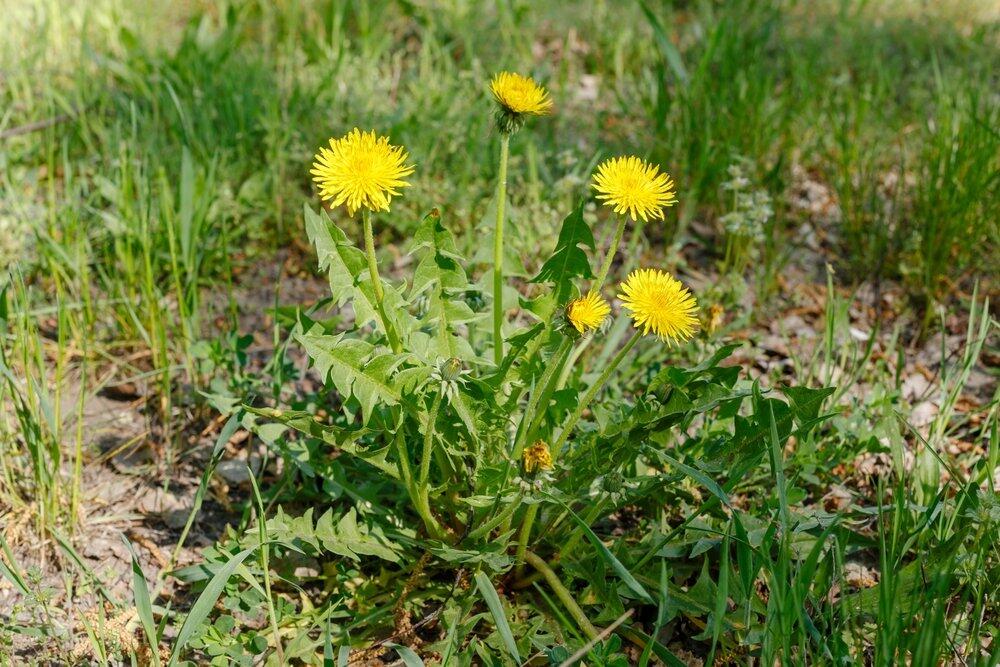
Dandelion Plant Details
Dandelion - Taraxacum Officinale
Dandelion is one of the most recognizable and useful garden plants you can grow, valued for its cheerful yellow bloom, edible parts, and long history in traditional home gardens. We love this hardy perennial for its practical beauty—especially for gardeners who want a plant that is easy to grow, quick to establish, and full of character from root to flower.
Originally native to Europe and Asia, dandelion has become widely naturalized across the United States and Canada. Its sunny flowers and familiar seed heads appear in a wide range of settings, from lawns and borders to meadows and disturbed soils. If you want a classic dandelion flower that adds early-season color and supports pollinators, this is a dependable choice with a wonderfully wild spirit.
Plant Details - Dandelion Plant
Family: Asteraceae
Light Requirement: Full Sun, Partial Sun
Water Needs: Moderate
Height: 2-6 in
Spread: 6 in-2 ft
Growth Rate: Rapid
Soil Preference: Well-drained, nutrient-rich
Bloom Time: Early spring
Flower Color: Yellow, White
Wildlife Value: Bees, Other pollinators
| Scientific name | Taraxacum officinale |
| Life cycle | Perennial |
| Plant type | Herbaceous wildflower/weed |
| Family | Asteraceae |
| Growth form | Low-growing rosette with a deep taproot |
| Flower color | Yellow |
| Fruit/seed dispersal | Wind-dispersed seeds from a globe-shaped seed head |
| Native range | Eurasia |
| Hardiness | Naturalized in USDA Zone 3 and warmer in North America |
Notable Characteristics - Dandelion Plant (Taraxacum)
The common dandelion is known for its dense, tooth-like yellow petals, a look that inspired its historic name from the French phrase dent-de-lion. Each bloom rises on a hollow stem that releases a milky sap when cut, while the deeply toothed leaves form a low basal rosette at ground level. The result is a bold little plant with a distinctive shape and unmistakable presence in the landscape.
After flowering, the familiar round seed heads develop and create that airy, floating effect gardeners and children alike remember so well. Each seed is attached to a soft white tuft that catches the wind and carries it far beyond the original plant. Dandelions are also prized as edible plants—the greens can be eaten fresh or cooked, and the blossoms may be used in teas, wines, or simple seasonal recipes.
For gardeners who appreciate useful plants, dandelion offers more than ornamental appeal. It has long been valued in home herbal traditions and kitchen gardens, making it a smart pick for those who enjoy plants with both visual charm and practical uses. One honest note: this plant spreads quickly, so it is best for naturalized areas or gardeners willing to manage reseeding.
Landscape and Maintenance: Dandelion Plant
Despite its light fragrance, dandelion is highly valuable in the garden because its nectar-rich yellow flowers draw bees and other pollinators early in the season. When little else is blooming, these bright flowers can help provide an important food source. That makes this plant especially useful in pollinator spaces, wildflower edges, and informal sunny plantings.
Dandelion plants are vigorous self-seeders, and a single seed head can produce an impressive number of windborne seeds. If you are growing them intentionally, ordinary garden soil is usually enough, and full sun is preferred, though they can adapt to disturbed ground and lawns with ease. To keep them from spreading too far, deadhead blooms just before they mature into seed heads.
Timing matters. Deadhead too soon, and the Dandelion may simply send up another flower. Established plants also develop a deep taproot, which helps them persist and makes removal more difficult over time. For gardeners who welcome hardy, useful, live dandelion plants in a sunny naturalized setting, this resilient perennial earns its place with color, pollinator support, and old-fashioned charm.
Care Instructions
Plant dandelion in full sun for the strongest flowering, though it can also handle partial sun and adapt to lawns or other disturbed areas. Provide ordinary to nutrient-rich, well-drained soil and moderate moisture while plants establish. Because the deep taproot helps mature plants persist, choose the planting spot carefully and remove spent seed heads if you want to limit reseeding and spread.
Frequently Asked Questions
▾Is dandelion a perennial plant?
Yes. Dandelion is a perennial plant, so it returns year after year and can persist through its deep taproot as well as by seed.
▾How do I care for live dandelion plants in the garden?
Grow live dandelion plants in full sun to partial sun with moderate water and well-drained soil. Deadhead before seed heads form if you want to control spreading.
▾Are dandelion plants good for pollinators?
Yes. Dandelion plants produce early yellow flowers that attract bees and other pollinators, making them useful garden plants for naturalized and pollinator-friendly spaces.