Cheri T
Nice packaging, hopeful now that they’re planted !

Dandelion Plant
Ships Now
5-9
Under 12"
Moderate
Full sun
Summer
Dandelion plants are hardy and adaptable. Water often to keep the soil consistently moist. They flourish in well-drained dirt but can handle a range of conditions. Regularly remove weeds around them to ensure they get enough nutrients. Harvest leaves when young for the best taste.
Dandelion plants thrive in full sun to partial shade. They prefer direct sunlight but can also adapt to less intense light conditions. However, ample sunlight encourages more vigorous growth and better flowering.
Resilient and low-maintenance , Beautiful and versatile botanical gem, Signifies well wishes in some cultures
Cheri T
Nice packaging, hopeful now that they’re planted !
Julio Cancel
Happy with purchase have a blessed day
Elizabeth Yaquinto
I received my bare root dandelion plants promptly and just as promptly put them in the ground. I must admit I was concerned that one or more would fail, but they are ALL growing and looking quite healthy! I am thrilled!
About this plant
Dandelion is one of the most recognizable and useful garden plants you can grow, valued for its cheerful yellow bloom, edible parts, and long history in traditional home gardens. We love this hardy perennial for its practical beauty—especially for gardeners who want a plant that is easy to grow, quick to establish, and full of character from root to flower.
Originally native to Europe and Asia, dandelion has become widely naturalized across the United States and Canada. Its sunny flowers and familiar seed heads appear in a wide range of settings, from lawns and borders to meadows and disturbed soils. If you want a classic dandelion flower that adds early-season color and supports pollinators, this is a dependable choice with a wonderfully wild spirit.
Family: Asteraceae
Light Requirement: Full Sun, Partial Sun
Water Needs: Moderate
Height: 2-6 in
Spread: 6 in-2 ft
Growth Rate: Rapid
Soil Preference: Well-drained, nutrient-rich
Bloom Time: Early spring
Flower Color: Yellow, White
Wildlife Value: Bees, Other pollinators
| Scientific name | Taraxacum officinale |
| Life cycle | Perennial |
| Plant type | Herbaceous wildflower/weed |
| Family | Asteraceae |
| Growth form | Low-growing rosette with a deep taproot |
| Flower color | Yellow |
| Fruit/seed dispersal | Wind-dispersed seeds from a globe-shaped seed head |
| Native range | Eurasia |
| Hardiness | Naturalized in USDA Zone 3 and warmer in North America |
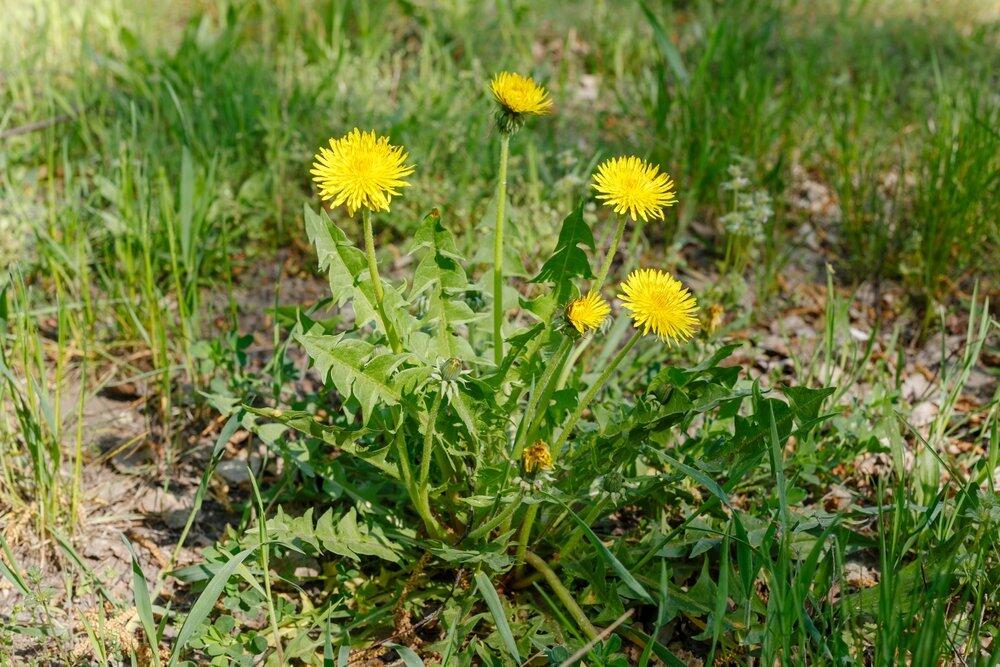
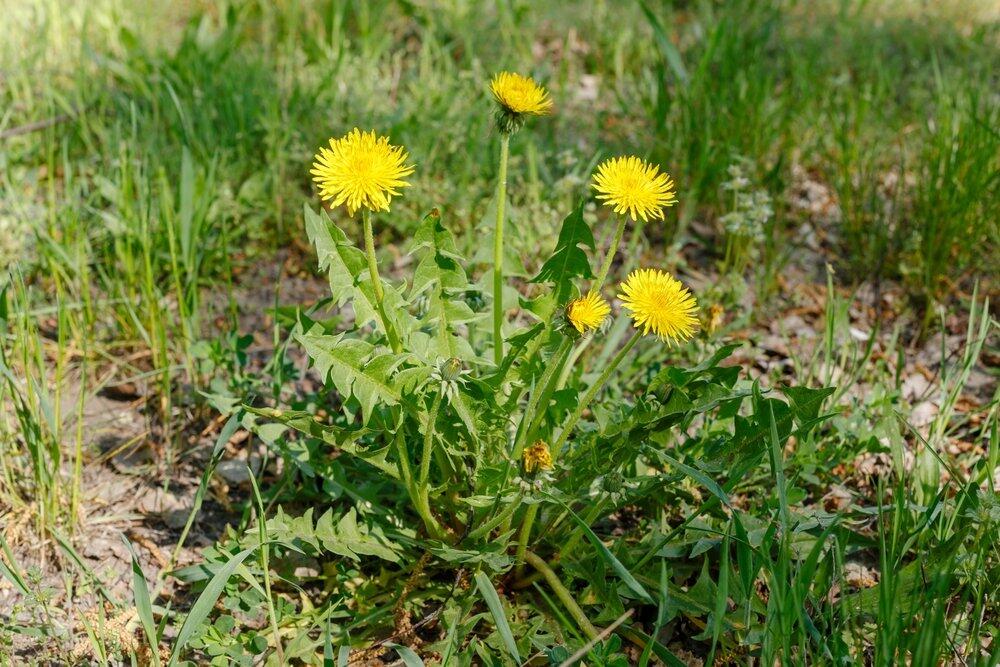
The common dandelion is known for its dense, tooth-like yellow petals, a look that inspired its historic name from the French phrase dent-de-lion. Each bloom rises on a hollow stem that releases a milky sap when cut, while the deeply toothed leaves form a low basal rosette at ground level. The result is a bold little plant with a distinctive shape and unmistakable presence in the landscape.
After flowering, the familiar round seed heads develop and create that airy, floating effect gardeners and children alike remember so well. Each seed is attached to a soft white tuft that catches the wind and carries it far beyond the original plant. Dandelions are also prized as edible plants—the greens can be eaten fresh or cooked, and the blossoms may be used in teas, wines, or simple seasonal recipes.
For gardeners who appreciate useful plants, dandelion offers more than ornamental appeal. It has long been valued in home herbal traditions and kitchen gardens, making it a smart pick for those who enjoy plants with both visual charm and practical uses. One honest note: this plant spreads quickly, so it is best for naturalized areas or gardeners willing to manage reseeding.
Despite its light fragrance, dandelion is highly valuable in the garden because its nectar-rich yellow flowers draw bees and other pollinators early in the season. When little else is blooming, these bright flowers can help provide an important food source. That makes this plant especially useful in pollinator spaces, wildflower edges, and informal sunny plantings.
Dandelion plants are vigorous self-seeders, and a single seed head can produce an impressive number of windborne seeds. If you are growing them intentionally, ordinary garden soil is usually enough, and full sun is preferred, though they can adapt to disturbed ground and lawns with ease. To keep them from spreading too far, deadhead blooms just before they mature into seed heads.
Timing matters. Deadhead too soon, and the Dandelion may simply send up another flower. Established plants also develop a deep taproot, which helps them persist and makes removal more difficult over time. For gardeners who welcome hardy, useful, live dandelion plants in a sunny naturalized setting, this resilient perennial earns its place with color, pollinator support, and old-fashioned charm.
Plant dandelion in full sun for the strongest flowering, though it can also handle partial sun and adapt to lawns or other disturbed areas. Provide ordinary to nutrient-rich, well-drained soil and moderate moisture while plants establish. Because the deep taproot helps mature plants persist, choose the planting spot carefully and remove spent seed heads if you want to limit reseeding and spread.
Yes. Dandelion is a perennial plant, so it returns year after year and can persist through its deep taproot as well as by seed.
Grow live dandelion plants in full sun to partial sun with moderate water and well-drained soil. Deadhead before seed heads form if you want to control spreading.
Yes. Dandelion plants produce early yellow flowers that attract bees and other pollinators, making them useful garden plants for naturalized and pollinator-friendly spaces.

Since 1959, TN Nursery has grown and shipped quality bare root plants nationwide. Shipped during dormancy, bare-root plants develop strong root systems and establish quickly. Our experienced team carefully harvests and packages every order, providing growers with trusted plants backed by over 65 years of nursery experience.
Learn More About
Bare root trees
Edible and Nutritious:
Both the leaves and roots of dandelions are edible and packed with nutrients. They can be used in salads, teas, and other recipes, offering a healthy addition to your diet.
Enhances Soil Health:
Dandelions have deep taproots that help break up compacted soil and improve its structure. They also bring nutrients from deeper layers of soil to the surface, benefiting nearby plants and enhancing overall soil quality.
Bright and Joyful Blooms:
Dandelions offer vivid yellow flowers that bring a joyful and lively touch to any garden. Their sunny appearance can enhance the beauty of your outdoor area.
Easy to Grow:
Dandelions are extremely resilient and need minimal care to flourish. They thrive in diverse soil types and conditions, making them ideal for gardeners of all experience levels.
Fall Digging
Spring Digging
Packing Orders
Customer Unboxing Video
Product Highlight
I’m really pleased with my Dandelion plant! It’s a cheerful and easy-to-grow addition to the garden, with bright yellow flowers that bring plenty of color.
I added Dandelion to a more natural part of my yard and it has been incredibly easy to grow. The bright yellow flowers show up early and I see pollinators visiting them regularly. Simple plant, but very useful in a natural garden.
I added dandelion plants from TN Nursery to my yard, and they bring a unique, natural look while also being useful as herbs. I love their versatility and how healthy they arrived.
The dandelion plants from TN Nursery came well-rooted and healthy. I’m impressed with the careful packaging and the results in my garden. They’re thriving with minimal care.
I purchased dandelion plants from TN Nursery for both their beauty and herbal benefits. They’re growing quickly, with rich green leaves that look incredible. Great value for the price.
These dandelion plants are robust and full of life. TN Nursery clearly knows how to provide top-quality native plants. I love how easily they’ve become a healthy part of my garden.
TN Nursery shipped my dandelion plants securely, and they arrived in excellent condition. After planting, they adapted well to the soil and are already flourishing in just weeks. Highly recommend!
I was amazed at how vibrant and strong these dandelion plants were upon arrival. They’ve grown fast and provide exactly the natural herbal benefits I wanted. TN Nursery **** disappoints.
The dandelion plants I ordered from TN Nursery arrived fresh, green, and well-packed. They established quickly and are thriving beautifully in my herb patch. Excellent quality and fast delivery!
Nice packaging, hopeful now that they’re planted !
Happy with purchase have a blessed day
I received my bare root dandelion plants promptly and just as promptly put them in the ground. I must admit I was concerned that one or more would fail, but they are ALL growing and looking quite healthy! I am thrilled!
Growing as expected
Thank you for the awesome review, Christina. We are so pleased to hear it is working just as it should and that you are enjoying it so much!
The plant was small & healthy. It is well packaged.
I love Dandelions and when I got there I felt amazing. I gave these to my dead grandma and I think she liked them so you made her, and me happy love u dandelions mwah.
this looks great in my flower garden
We really appreciate you taking the time to leave us your 5-star review, Vanessa. It means a lot to the whole team, and we’d love to have you back very soon.
The blooms on this plant are very unique and beautiful. Looks great in my gardens! Very pleased with this plant.
i love the color vibrant yellow
These are gorgeous.
these look great with the other wildflowers
Very pleased with this plant. Looks wonderful with other wild flowers.
The blooms on this plant are very unique and beautiful. Looks great in my gardens!
These plants are wonderful and are seen growing wild during the spring months.....beautiful tiny yellow flowers
Plants arrived in good shape and are growing in the garden well.
Shipping was fast and quick