Layla
Started growing right away.

Crepe Myrtle Tree
Ships Between November 15-29
7-9
15–30 feet tall, 10–20 feet wide, by variety
Moderate and Low
Full sun
Summer (June–September)
Prune crepe myrtle in late winter, January through March, before new growth begins.
Crepe myrtle thrives in full sun, with 6 or more hours a day
Long Blooming Season , Drought tolerant and hardy, Easy to grow and maintain
Layla
Started growing right away.
About this plant
Crape myrtle (Lagerstroemia), also spelled crepe myrtle, is a flowering tree that grows 15 to 30 feet tall and blooms in big, ruffled clusters from early summer into September. Crape myrtle is hardy in USDA zones 7–9 and needs full sun. TN Nursery ships bare-root crepe myrtle trees in four colors, Buy 1 Get 1 Free.
Crape myrtle belongs to the loosestrife family, Lythraceae, and comes from China, Korea and Japan. Crepe myrtle has been planted in American gardens since the late 1700s, when the first trees arrived in Charleston, South Carolina, and it is now called the "lilac of the South." The name comes from the crinkled petals, which look like crepe paper. Choose one crape myrtle as a summer focal point, or buy several crepe myrtle trees to line a driveway, frame an entrance or form a colorful screen.
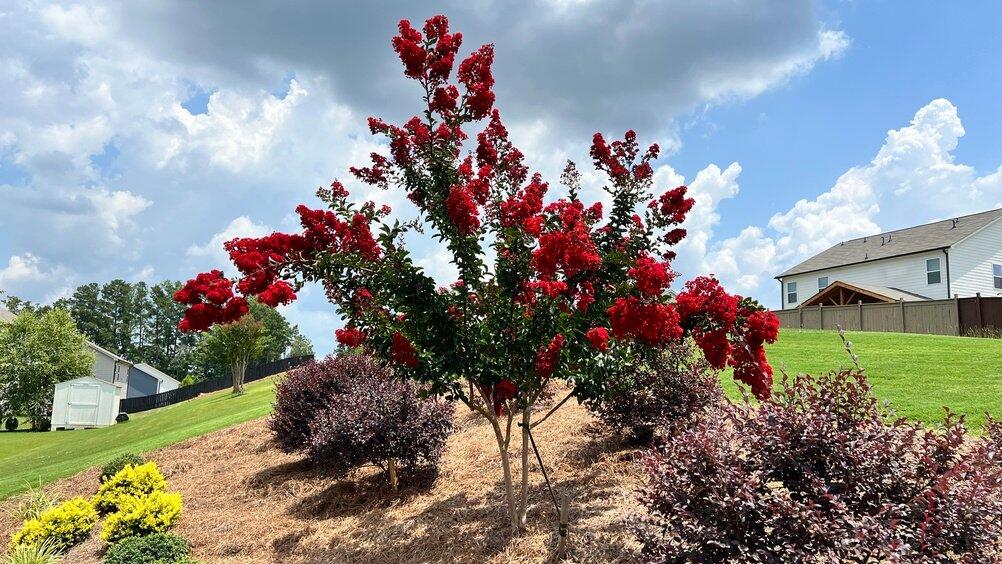
The best crape myrtle color depends on the look and size you want: Natchez White grows tallest, Muskogee Lavender gives soft color, Tuscarora Pink offers bright coral-pink blooms and Dynamite Red gives the boldest red. All four crepe myrtle varieties are hardy in zones 7–9.
| Crape myrtle variety | Flower color | Mature height | Highlights |
|---|---|---|---|
| Natchez White | Pure white | 20–30 feet | Cinnamon-brown peeling bark; one of the longest-blooming crepe myrtles |
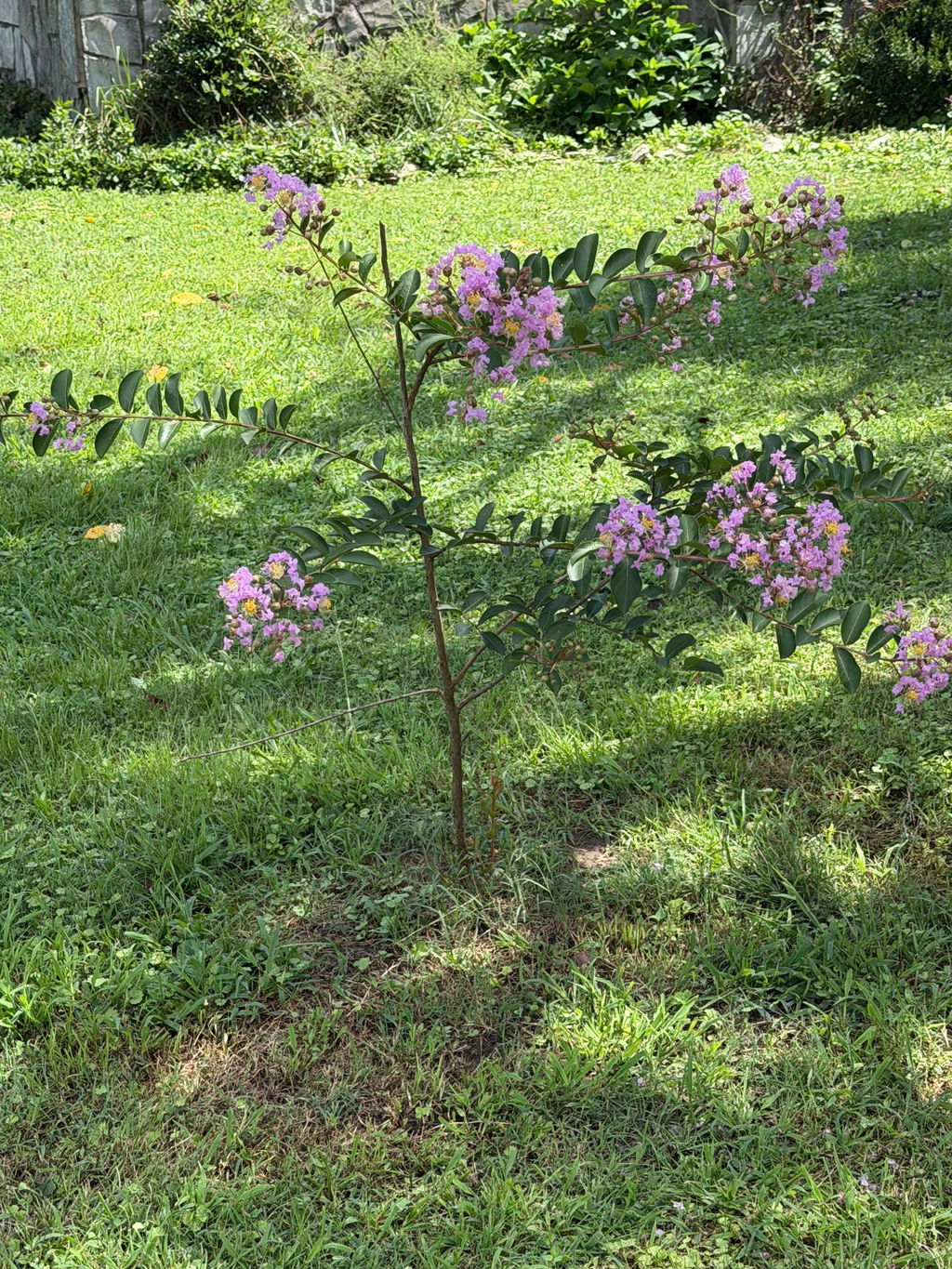
| Muskogee Lavender | Light lavender | 20–25 feet | Graceful vase shape; red-orange fall color |
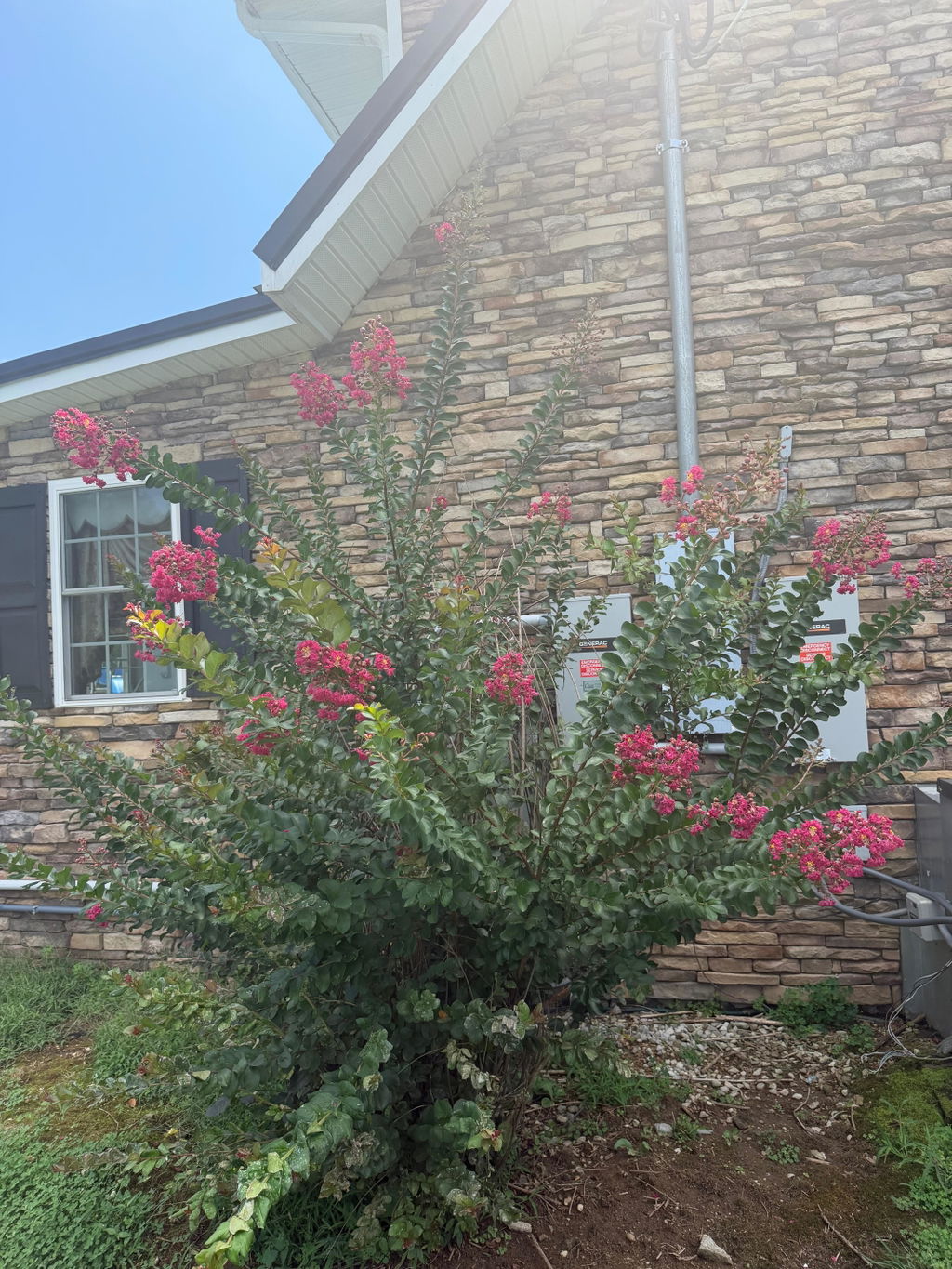
| Tuscarora Pink | Coral pink | 15–25 feet | Bright summer color; mottled tan bark |
| Dynamite Red | Cherry red | 15–25 feet | True red blooms; new leaves open crimson |
Shop single-variety pages for Natchez crepe myrtle, Muskogee crepe myrtle, red crepe myrtle and pink crepe myrtle.
Crepe myrtles bloom in summer, starting in June or July and continuing into September, for 60 to 120 days of color depending on the variety. Crape myrtle flowers form on new growth, so each summer brings a fresh crop of blooms.
After the flowers, small round seed capsules ripen, and the leaves turn red, orange or yellow in fall.
Crape myrtles grow best in full sun, with at least 6 hours of direct sunlight each day, in well-drained soil in USDA zones 7 through 9. Crape myrtle adapts to clay, loam and sandy soils and is drought tolerant once established.
Space crape myrtle trees 10 to 20 feet apart, based on the mature width of the variety, and plant at least 6 to 10 feet from buildings, walks and driveways. Water deeply once a week during the first summer, then water during long dry spells.
A crepe myrtle can be grown as either a multi-trunk tree or a large shrub; the four varieties TN Nursery offers grow into small trees 15 to 30 feet tall. Many gardeners train crape myrtle to three or five trunks for a classic tree form.
To grow a multi-trunk crape myrtle tree, choose three to five strong, evenly spaced stems on a young plant and remove the rest at ground level.
Sun-loving perennials and evergreen shrubs grow well with crape myrtle. Black-eyed Susan and orange daylily bloom in summer at the same time as crepe myrtle and fill the bed beneath the trees. Green Velvet boxwood adds a neat evergreen edge in front of a crape myrtle row. For spring color before the crepe myrtle blooms, plant an eastern redbud tree nearby. Browse more crape myrtle varieties in our crepe myrtle trees collection.
Plant a bare-root crepe myrtle while it is dormant, from November through April, with the root collar at soil level in a hole twice as wide as the roots. Fall planting gives crape myrtle roots extra time to grow before summer.
At our Altamont, Tennessee nursery, we dig crepe myrtle trees while dormant and ship them bare root, with no soil around the roots. Each crape myrtle arrives as a leafless young tree in the color you choose, with its roots packed in moist material.
Botanical Name: Lagerstroemia indica and L. indica × fauriei hybrids
Plant Family: Lythraceae (loosestrife family)
Ships: Bare root, 1–2 ft, 2–3 ft or 3–4 ft
Varieties: Natchez White, Muskogee Lavender, Tuscarora Pink, Dynamite Red
Planting Zone: 7–9
Height at Maturity: 15–30 feet tall and 10–20 feet wide, by variety
Spacing: 10–20 feet apart
Sun or Shade: Full sun, 6 or more hours a day
Water Needs: Moderate the first summer; drought tolerant once established
Soil: Well-drained clay, loam or sand
Bloom Season: Summer, June–September
Flower Color: White, lavender, coral pink or red
Origin: China, Korea and Japan
Care: Prune in late winter, January through March, before new growth begins. Remove crossing branches and new shoots at the base to keep a clean trunk form.
Plant Attributes: Long summer bloom, peeling bark, fall color, drought tolerant, pollinator friendly
Both spellings are correct: "crape myrtle" is the spelling preferred by many horticulturists, and "crepe myrtle" is the most common spelling in everyday use.
Prune crape myrtle in late winter, from January through March, before new spring growth starts, and trim only crossing or inward-growing branches.
The best time to plant bare-root crepe myrtle is during dormancy, from November through April, and fall planting gives the roots the longest head start.
Crepe myrtle trees grow quickly, often 2 to 3 feet per year in full sun once established.
The Natchez, Muskogee, Tuscarora and Dynamite crape myrtles grow in USDA hardiness zones 7 through 9.
Deer rarely browse crepe myrtle, so crepe myrtle trees usually stay full and flowering in yards that deer visit.
TN Nursery has grown hardy plants since 1959, more than 65 years of experience, and has supplied plants to major U.S. landmarks like the Washington Monument and Arlington National Cemetery. At our Altamont, Tennessee nursery, we dig and pack crape myrtle trees bare root during the dormant season and ship them to gardens across the South and beyond. Want to learn more first? Read Why Is Lagerstroemia (Crape Myrtle) the Star of Summer Gardens, How to Grow Natchez Crepe Myrtle and Crepe Myrtles: The Perfect Garden Tree for Every Space on our garden blog, or browse our flowering trees.

Since 1959, TN Nursery has grown and shipped quality bare root plants nationwide. Shipped during dormancy, bare-root plants develop strong root systems and establish quickly. Our experienced team carefully harvests and packages every order, providing growers with trusted plants backed by over 65 years of nursery experience.
Learn More About
Bare root trees
Drought Tolerant:
Crepe myrtle is highly resilient and can withstand dry conditions, perfect for areas with less frequent rainfall.
Long Blooming Season:
Enjoy vibrant blooms from early summer into September, providing continuous beauty and visual interest for months.
Four Bright Colors:
Choose white Natchez, lavender Muskogee, coral-pink Tuscarora or cherry-red Dynamite crepe myrtle for a dramatic splash of summer color.
Attracts Wildlife:
The beautiful flowers attract pollinators like bees and butterflies, enhancing the ecological health of your garden.
Fall Digging
Spring Digging
Packing Orders
Customer Unboxing Video
Product Highlight
I love the crepe myrtle trees i ordered from TN Nursery. They arrived very healthy and well packaged. I planted them right away and they are thriving.
Took forever to leaf out no joke like mid July but it is doing amazing!
Bought 5 years ago From TN Nursery