Button Bush Shrub Details
Button Bush Shrub - Cephalanthus Occidentalis
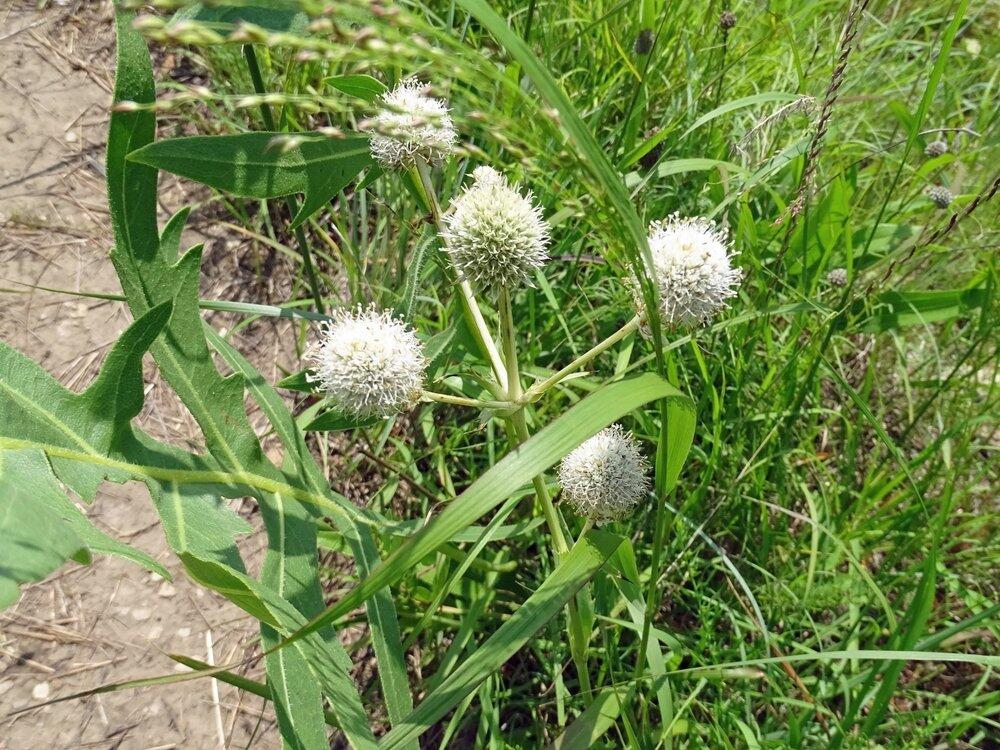
The Button Bush shrub (Cephalanthus occidentalis) is a common shrub found across many wetland areas of North America․ It produces ball-like clusters of flowers that bloom in the late summer months‚ which are a hot spot for many pollinators in the region․ Aside from its unusual appearance‚ the shrub is important to the ecology of several different environments․
Ecological Importance of Button Bush
The Button Bush is an important plant in wetlands‚ one of its most abundant habitats․ It grows in swampy‚ waterlogged places‚ such as on riverbanks and near lakes․ The roots of Button Bush are very dense and tightly knit‚ which helps bind the soil together and reduce soil loss by erosion‚ especially in flood zones․ Its roots also act as a water purifier‚ as soil at the root level removes pollutants from the water and improves the ecosystem's health․ In addition to its other roles‚ Button Bush also takes in carbon dioxide‚ decreasing the negative effects of climate change․ This makes it a very important but often overlooked species for conservation efforts․
Outside its ecological roles‚ Button Bush acts as a habitat to several species of wildlife․ The shrub itself provides shelter and nesting spots for small birds and mammals․ The plant provides nectar for various pollinators‚ including bees and butterflies․ It is effective at attracting them to the shrub's flowers․ The fruit of the Button Bush‚ which takes the form of small round clusters‚ may also be eaten by birds and small mammals․ As urban areas change from natural to developed habitats‚ Button Bush can help reduce this loss of suitable habitat by fulfilling needs at some life stages of its native fauna․ Planting Button Bush in yards and plantings can also help wildlife improve or expand wildlife movement corridors․
Growth Conditions and Care Of The Button Bush
The Button Bush is often characterized as easy to grow and recommended for beginning and experienced gardeners․ The shrub grows well in full sun and in partial shade․ Its preference is for damp‚ well-drained soil‚ but it can tolerate short periods of standing water․ Once established‚ it is somewhat drought tolerant and therefore is a very low maintenance plant although it does require pruning towards the end of winter or the beginning of spring to maintain its form․ Therefore‚ as long as gardeners provide minimal effort‚ they will gain not only the ornamentation of the plant itself‚ but a collection of other helpful effects․
The Button Bush's decorative flowers‚ a ball of white or cream‚ could be grown among the dark green foliage of the button bush plant to increase the ornamental appeal of the shrub․ The foliage's density‚ combined with the unique shape and height of Button Bush plantings‚ could contrast with a larger wildflower planting․ The shrub is used to create borders along a pond and as a hedge for privacy․ The shrub also draws butterflies and bees to the garden․ It is also of interest to gardeners who would like to create habitat gardens for wildlife while maintaining beauty in landscaping․
You Need Button Bush In Your Landscape
Overall‚ Button Bush is a shrub that provides many ecosystem services and benefits‚ including its ability to control erosion‚ act as a water filter‚ and support wildlife․ The Button Bush can be recommended not only because of its ecological importance but also because it is an easily cultivated shrub‚ one which helps improve the quality of landscaping projects‚ and one which can be readily gained in many areas․ Let us thus celebrate the Button Bush‚ this worthy combination of utility and beauty‚ and hope that others may raise it in their pleasure gardens and create the conditions which made it so plentiful of yore‚ and gradually weave it back into its story of the balance of nature․