Hazelnut Tree Details
Hazelnut Tree - Corylus Americana
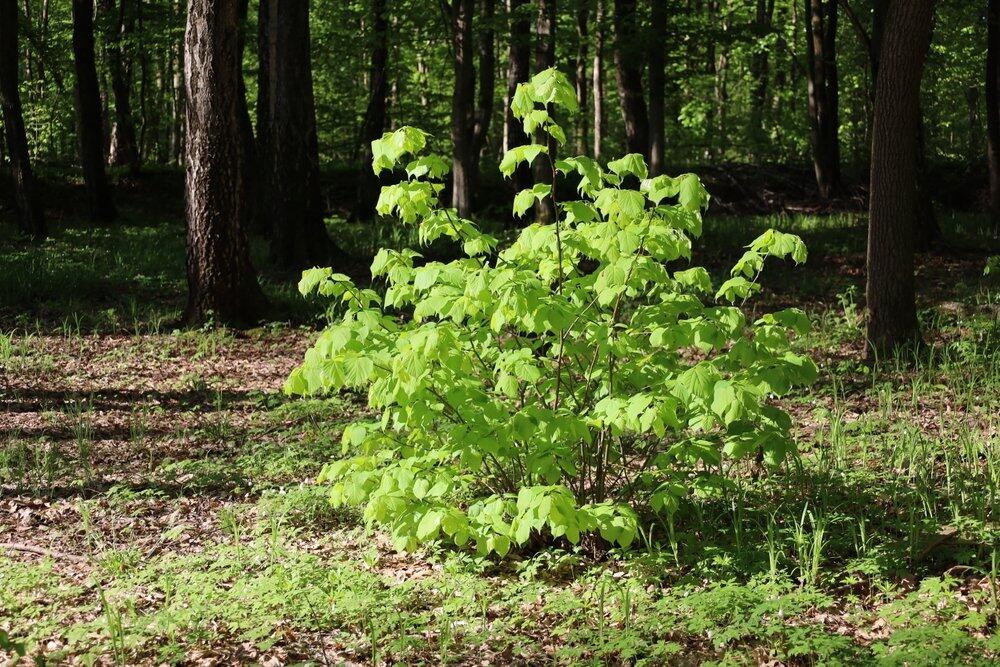
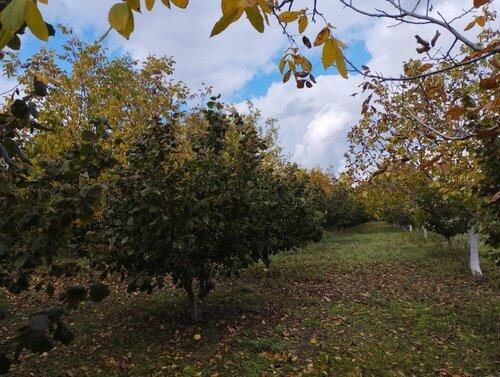
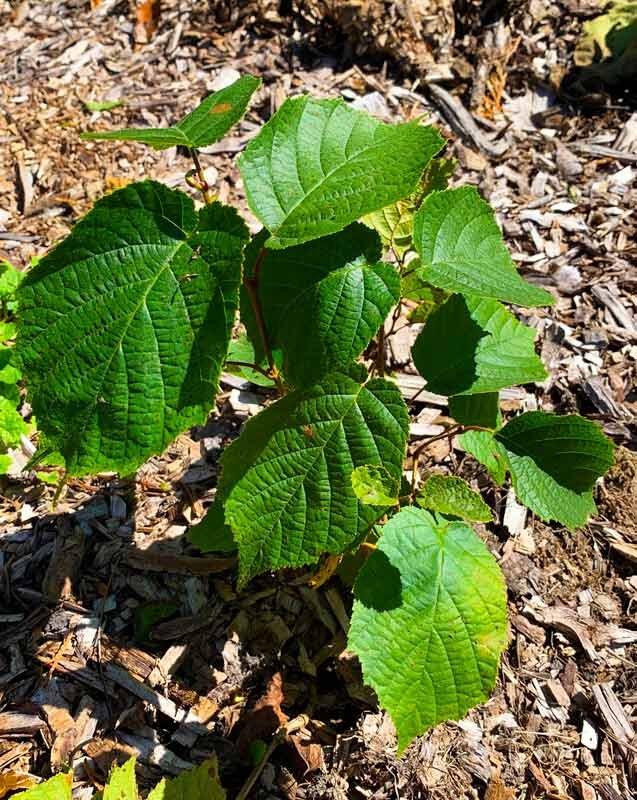
The American hazelnut tree, corylus americana is a small to medium-sized deciduous shrub that is found throughout much of North America․ It is typically 10 to 15 feet (3․0 to 4․6 m) tall and grows in a bushy manner․ It is commonly found in many habitats across North America․ The species is appreciated for its good looks and versatility; the jagged edged foliage that emerges in spring provides a dense canopy of shade and shelter for the forest's diversity of wildlife through summer․ Its foliage turns bright yellow and orange colors in the fall‚ creating a warm‚ colorful effect․ It can be grown successfully in sandy‚ loamy‚ or clayey soil‚ making it an attractive option for those who want diverse colors․ Such characteristics are a demonstration of native resilience‚ and the American hazelnut tree may benefit gardens by providing an environment in which a variety of species may thrive․
One Tough Tree, Hardy and Enduring
The growth habits of any species of tree are vital to its health and success․ The American hazelnut seed is an extremely tough seed that begins to grow in the right conditions until it germinates․ The roots run deep into the ground‚ and it grows a sturdy trunk․ They grow in groups due to their ability to sucker‚ which frequently become separate trunks‚ and the bushy nature helps the tree grow in size and shape․ In full sun and optimal growing conditions‚ American hazelnuts grow best in USDA hardiness zones 4 to 8‚ though ground level exposure to sunlight‚ drainage of soil‚ and competition from surrounding plant material may affect productivity․ This tree is quite easy to care for in most respects‚ and is highly rewarding in its seasonally changing appearance and its hardiness throughout its life cycle․
Pollination is an important part of the American hazelnut's reproductive cycle
Most American hazelnut trees are monoecious‚ in that they bear both male and female flowers on the same plant․ Although self-pollination may occur‚ fruiting is considerably more likely if another tree is near․ Tiny‚ non-showy male catkins develop in early spring and release pollen on the wind to fertilize the female flowers of nearby trees․ With female flowers occurring on separate spikes‚ looking rather like little red tassels waiting for the wind to play its part‚ a group of hazelnut trees planted close together is not only a more attractive prospect‚ but increases the likelihood of a good crop of nuts‚ maturing to a ripe stage in late summer or early fall‚ than that of isolated trees․ This beautifully illustrated the need for balance during pollination in order to create seeds‚ as exemplified in the tree of the American hazelnut․
American Hazelnut's Role as a Privacy Fence
The American hazelnut tree has many applications for landscape use‚ making it an attractive choice for homeowners and gardeners․ This tree has many uses‚ whether as a specimen tree‚ hedge‚ or simply as a natural privacy fence․ The American hazelnut tree provides both utility and aesthetic appeal in an outdoor environment․ The shrub is bushy and can be trimmed for hedgerows or used as a living fence‚ and it offers habitats for birds and other wildlife‚ especially pollinators․ The hazelnut has ornamental value: its foliage colors beautifully in autumn and can make an unimpressive landscape into a beautiful autumn foliage display․ The nuts are palatable and nutritious to humans and wildlife․ These nuts can be eaten from the tree‚ roasted‚ or processed into nut butter‚ confectionery‚ or cooking or baking ingredient․ Planting hazelnut trees helps increase biodiversity and provides beauty and utility in gardens․
The Hazelnut Tree is Native in North America
The American hazelnut tree occurs throughout North America‚ but is most common in eastern Canada south through New York‚ Ohio‚ Kentucky‚ and Virginia‚ and west to prairie and foothills of the Rocky Mountains․ In the eastern United States‚ it is found in moist woods‚ along riverbanks‚ and in thickets‚ because it is a tree that grows well in rich soil and partial shade․ They also provide habitat and food for many animals and insects․ The American hazelnut is common in a number of different ecological regions in the United States‚ evidence of both its wide adaptability to many different climates and conditions and its potential for use in conservation․ The American hazelnut can be used in landscaping‚ as it fits right into the surrounding landscape without any trouble‚ as it does in the wild․
The American tree hazelnut is not only a beautiful addition to a landscape‚ but it can also provide ecological benefits and delicious nuts
Its growth habits strongly influence the bushy and abundant growth of its community and its pollination needs highlight the interconnectedness of ecosystems․ This tree is native to our environment and its biodiversity and ecosystems․ The tree is used in gardens and landscaping‚ and can be found in many areas․ The tree can grow in many types of soils‚ showing the resilience and beauty of nature‚ and its ability to flourish in different environments․ On the human side of the equation‚ the American hazelnut tree can be planted for enjoyment and garden purposes as well as for wildlife and ecological conservation․