
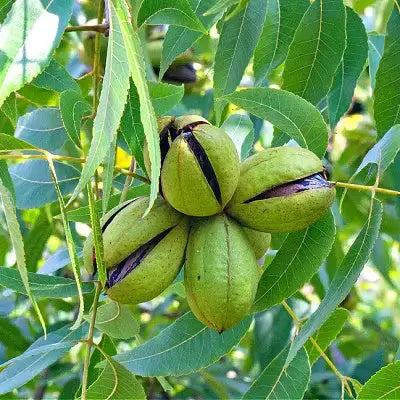
Rooted in Heritage: The Pecan Tree
A tree that pretty much says it all about tradition‚ family gatherings and southern culture․ With its wind-swept branches and emerald green leaves‚ the mighty pecan tree will stand tall in the hearts of the farmers and families that celebrate this tradition with its southern bounty․ Because pecan trees became so established on Mississippi River bottomlands that they are an indestructible part of the citizens and economy of the South‚ not only for the nuts and their culinary use‚ but inextricably for those who lie beside me‚ and for those who will come after us‚ growing pecans will be more than an agricultural practice‚ but a tradition․ It is truly a story that begins with a seed‚ and a commitment to patient cultivation‚ offering great dividends when fruit is finally harvested․
The pecan tree and its nut have long been a staple of the Southern economy‚ not only because of their commercial value‚ but as a symbol of the South's ability to thrive and survive․ The pecan has been used as a food source since the time of Native Americans‚ who were the first to cultivate the nut․ Today‚ the industry is as rich in subtleties and cultural importance as the Southern culture it represents‚ and pecan trees are simply a way of life for those who choose to grow them․ Pecans have bound communities together through the shared labor of growing trees‚ taught patience and diligence‚ and brought together neighbors from miles around to celebrate the annual harvest‚ bless the land and share stories․
About Pecan
Pecan Tree Seedlings have roots that extend millions of years back in time when humans had not yet realized their significance. According to fossil records, their forebears lived in North America before the last Ice Age while prospering in the fertile and moderate climate zones of present-day United States territory. The remarkable properties of these plants were first understood by Native American tribes, who recognized their value as both food and a critical component of natural ecosystems.
Historically, people employed tannins extracted from bark because of their powerful astringent effects. Historically, indigenous practitioners prepared teas from tree bark to heal wounds and reduce inflammation. Recent scientific studies confirm that tree compounds exhibit antimicrobial effects that support the validity of their traditional medical applications. Botanical medicine research is continually driven by these natural remedies, especially for immune system support and metabolic health improvements.
Why Farmers Prefer Native Pecans
A knowledge of agriculture and a love of nature are both required of the person who would successfully grow pecan trees․ Even before the seed is planted the grower must know what kind of tree will be best for his soil and climate․ Many growers prefer native‚ hardy‚ tougher species more well-adapted to Southern climates and soils that require watering and fertilizing to thrive‚ but can withstand periods of prolonged drought if needed․ To allow the sunlight to reach the canopy‚ promote good production of quality pecans‚ and avoid or combat the damage from certain pests or diseases‚ proper pruning and care are important․ In growing pecans‚ the cycle of nurture‚ protection‚ and harvest can be seen as a metaphor for the cycle of mankind and the earth‚ of man and his *roots*․
In addition to the benefits provided by the orchards themselves‚ pecan trees help to prevent soil erosion and promote biodiversity․ They do this with their deep root systems which keep soil intact while allowing water to flow․ This‚ in turn‚ can protect adjacent streams and rivers from pollution and sedimentation․ The dense canopy of the pecan trees can also create shade and cooler microclimates that can support many forms of vegetation and wildlife․ However‚ climate change will affect more and more of the planet․ And every carbon sink you create‚ every pecan orchard you grow means you are growing the ability to build a good ecology․ When you grow pecan trees‚ you grow a personal connection to the greater good‚ while you grow pecans!
Pecan Care and Watering
Research verified that the nuts contain high levels of antioxidants, flavonoids, and essential fatty acids which establish their importance as a heart health-promoting food source. Modern herbal medicine recognizes its effectiveness in supporting cholesterol maintenance and brain function while also reducing oxidative stress. Trees improve both air quality and soil health, which results in positive effects on human well-being through their existence in green spaces.
Soil and Sunlight for Pecan
The fallen leaves of these trees play an important part in the forest floor's nutrient cycle by enriching the soil while offering ground-dwelling insects and amphibians protective shelter. The natural cycle provides essential resources for big predators like owls and hawks because their prey populations of small mammals and birds thrive within this tree-supported ecosystem.
These trees fit perfectly into native plantings and grow harmoniously with meadow flowers and understory shrubs. Wildlife species visit these trees because of their nuts, which help increase biodiversity in both managed and natural environments. Their adaptability to various soil conditions establishes them as dependable selections for both decorative and utilitarian horticulture.
Spanish explorers found it in the 16th century and understood their potential immediately. Their high nut production rate combined with disease-resistant wood structures led to these species becoming extremely sought after. By the 18th century, these species had extended their cultivation throughout the southern United States, becoming fundamental to commercial agriculture. They thrive in many soil types, including riverbanks and open fields, established them as essential elements for both orchards and natural environments.
Pecan Problems and Pests
The original inhabitants utilized the nuts for food and medicinally applied extracts from both bark and leaves. Early herbal practitioners identified multiple compounds within the tree useful for digestive support and inflammation reduction as well as fever treatment. People commonly use ground nuts and bark extracts to treat digestive problems and infections.
Pecan in the Landscape
As either main landscape elements or parts of bigger natural environments these features help support environmental sustainability efforts. These trees last many years and supply aesthetic value plus ecological advantages across generations so they must be included in any well-designed outdoor area.
These trees deliver aesthetic enhancement to any environment while providing practical advantages. The combination of their extended branches and compound foliage generates a dense green look while providing a welcoming environment for both animals and humans. Understory plantings like wildflowers, ferns, and smaller shrubs integrate perfectly with these trees which serve as fundamental elements in multiple landscape designs.
Pecan and Wildlife
Migratory birds find shelter within these trees, which serve as their protected habitat. During long seasonal migrations, warblers, tanagers, and orioles find refuge in their expansive canopy, which serves as their nesting grounds. The existence of these trees boosts biodiversity by providing essential support to vulnerable insect, mammal, and bird populations that would face difficulties in more developed environments.
Woodworkers Love Pecan Wood
Another distinctive feature of the pecan tree is its wood․ It is a common material for American-style furniture‚ appreciated for its strength‚ unique grain pattern and rich color․ Pecan wood is prized by cabinetmakers‚ who value it as an excellent choice for furniture․ Much of the wood is still in use‚ in furniture such as dining tables that have hosted family gatherings and cabinets that have been passed down through several generations․ It is cherished by woodworkers for its workability for art and durable items․ Furniture from this wood salvaged from orchards in back yards represents heirlooms that many families pass down among generations․ Heirloom furniture is a tradition of Southern homes‚ and often a source of pride‚ bringing a bit of the outdoors inside their homes․
At the start of the fall and when the nuts begin to fall‚ customary pecan harvesting begins in the South․ The families come together for the hunt․ The family might work‚ socializing or telling stories and then celebrating the harvest together‚ while they collect the nuts‚ whether they have fallen to the ground or still hang in the tree․ The sound of husking pecan shells‚ and the smell of freshly baked pecan pie are common sights and smells of the season in many homes․ Many towns and communities hold pecan festivals every fall to celebrate the pecan‚ including cooking and pie contests and displays․ These traditions and practices bring a sense of belonging in which the values are passed down through the generations by working towards a common goal․
In summary‚ the pecan tree is more than a mere nut․ It is a living symbol of Southern culture‚ community and resilience․ Pecan trees symbolize more than an agricultural crop․ They are a family legacy‚ a cultural tradition‚ a movement on the map between past and future․ From humans to nature to artisanal crafts‚ pecan trees are part of the Southern landscape in a way that speaks to our connection with the earth and one another and the power of tradition․ By planting and nurturing these magnificent trees‚ we are contributing not only to our own legacies‚ but to the continuity of life itself in this blessed corner of the world for generations to come․


