Terry McIntosh
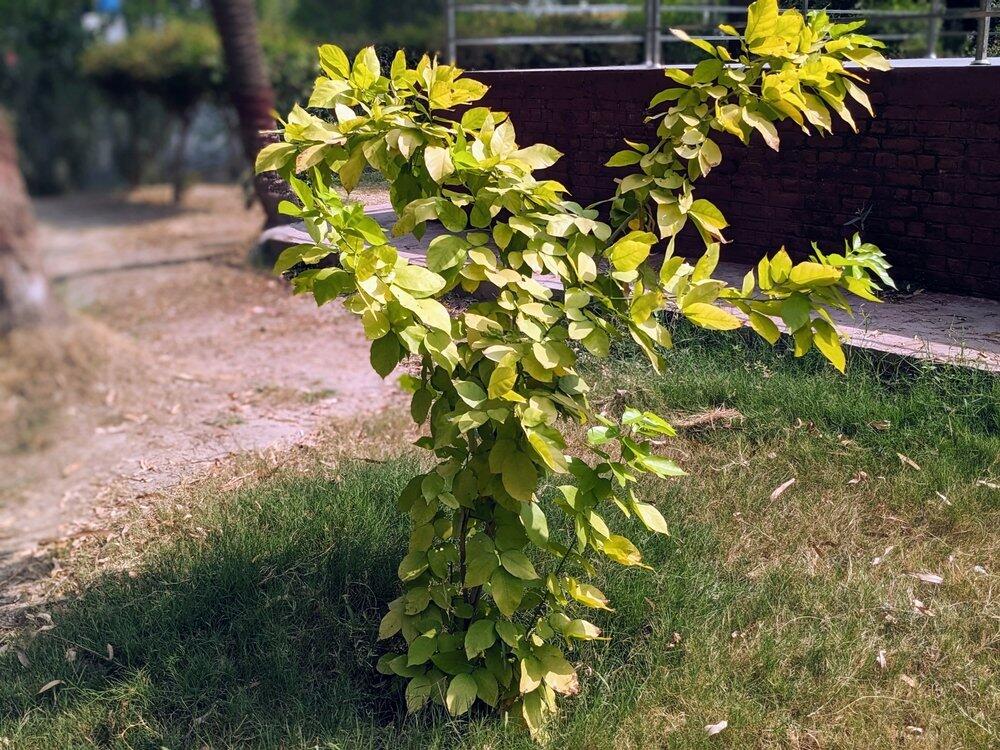
The elm seedling I ordered came in good condition and packaged well when it arrived. I put it in the ground it has tiny leaves already. I was satisfied with my purchase. I will definitely order again.

Elm Tree
3-9
40–80 Feet
Low and Moderate
Full sun
March through April
Elm trees thrive in full sun and adapt to many soils. Water deeply once a week through the first summer, and shape young trees in late winter by removing crossing branches.
Elm trees thrive in full sun, with at least 6 hours of direct light daily; young trees accept light shade.
Environmental benefits & aesthetic beauty , Wildlife habitat & air purification, Erosion control & noise reduction
Terry McIntosh
The elm seedling I ordered came in good condition and packaged well when it arrived. I put it in the ground it has tiny leaves already. I was satisfied with my purchase. I will definitely order again.
Karen Quick
It arrived in good shape. It's still alive, so I have big hopes for it next Spring!
K Marcum
I am so excited about the American Elms. We have them in some big, thin, wooden crates and are waiting for some work on the land to be completed before we put them in the ground. Crate & all. The crates have had dirt in them for two years and are already breaking down, which was the plan. So it will be very easy for the roots to grow out. I’m hoping we will decide to dig a big pond and plant them near it! 🌳💚🌳
About this plant
An elm tree (genus Ulmus) is a fast-growing deciduous shade tree with a broad, arching crown and toothed, oval leaves. Elm trees grow 40 to 80 feet tall, by species, in USDA zones 3–9 and full sun. TN Nursery ships four elm trees bare root: American, slippery, cedar and lacebark elm, Buy 1 Get 1 Free.
Elms belong to the elm family, Ulmaceae, a group of about 35 species found across North America, Europe and Asia. The American elm, with its graceful vase-shaped canopy, is the classic picture of a shade tree. Choose your elm species from the variant menu.
TN Nursery sells four types of elm trees: American elm, slippery elm and cedar elm, which are native to the United States, and lacebark elm, an East Asian elm prized for its patchwork bark. Each elm tree species suits a different region and landscape role.
| Elm tree | Botanical name | Mature height | Zones | Best for |
|---|---|---|---|---|
| American elm | Ulmus americana | 60–80 feet | 3–9 | Large lawns, parks, classic vase-shaped shade |
| Slippery elm | Ulmus rubra | 40–60 feet | 3–9 | Woodland edges, stream banks, wildlife plantings |
| Cedar elm | Ulmus crassifolia | 50–70 feet | 6–9 | Hot, dry Southern yards and street plantings |
| Lacebark elm | Ulmus parvifolia | 40–50 feet | 5–9 | City lots, patios, ornamental bark |
Cedar elm grows wild from Texas and Oklahoma east to Mississippi and the cedar glades of middle Tennessee, where it shares rocky ground with eastern red cedar. Lacebark elm, also called Chinese elm, sheds its bark in small plates to reveal gray, orange and cinnamon patches. Cedar elm and lacebark elm both flower in late summer, while American elm and slippery elm flower in early spring.
An elm tree has alternate, oval leaves with double-toothed edges and a lopsided base, where one side of the leaf meets the stem lower than the other. Mature elms have rough, furrowed gray bark (smooth, mottled bark on lacebark elm) and a broad, spreading or vase-shaped crown.
In spring, elms produce clusters of small reddish-green flowers before the leaves open, followed by round, flat, papery seeds called samaras, each about 1/2 inch wide with the seed in the center. Slippery elm leaves feel like fine sandpaper, and cedar elm leaves are small and leathery. In fall, elm tree leaves turn clear yellow.
Elm trees grow fast, often about 2 feet per year in full sun and moist soil once the roots settle in. Lacebark elm and American elm are the fastest of the four, so an elm tree gives useful shade years sooner than slow-growing hardwoods.
Plant an elm tree in full sun, with at least 6 hours of direct light a day, in clay, loam or sandy soil. Elm trees adapt to wet and dry sites, urban soils and windy, open ground, which makes them excellent shade, street and windbreak trees.
Set large elms such as American elm at least 30 feet from buildings, and space elm trees 35 to 50 feet apart along a drive or property line.
A red maple tree adds scarlet fall color beside the golden elm canopy, and a river birch or sycamore shares moist, low ground with American and slippery elm. For a long-lived mixed canopy, plant elm with a pin oak or a tulip tree. Browse more options in our shade trees collection.
Choose these elm trees for shade, curb appeal and a landscape specimen; choose elm seedlings for windbreaks, reforestation and wildlife habitat planted by the hundred.
For large plantings, shop single-species seedlings at a lower price per tree: American elm seedlings, slippery elm seedlings, cedar elm seedlings and lacebark elm seedlings.
Plant a bare-root elm tree while it is dormant, from November through April, with the root flare level with the soil surface. Water deeply right after planting and weekly through the first summer.
At our Altamont, Tennessee nursery, we dig each elm tree while dormant and pack the roots in moist material, so the young tree arrives leafless and ready to plant in the species you selected.
Botanical Name: Ulmus americana, U. rubra, U. crassifolia, U. parvifolia
Plant Family: Ulmaceae (elm family)
Ships: Bare root, 1–2 ft, 2–3 ft or 3–4 ft
Planting Zone: 3–9 (American and slippery elm 3–9, lacebark elm 5–9, cedar elm 6–9)
Height at Maturity: 40–80 feet, by species
Spread: 30–60 feet
Growth Rate: Fast, about 2 feet per year
Sun or Shade: Full sun, 6+ hours daily; young trees accept light shade
Water Needs: Moderate; drought tolerant once established
Soil: Adaptable to clay, loam and sand
Bloom Season: March–April (American and slippery elm); August–September (cedar and lacebark elm)
Fall Color: Yellow to golden yellow
Care: Water weekly the first summer. Shape young trees in late winter by removing crossing branches.
Plant Attributes: Fast-growing shade tree, adaptable to many soils, wind and urban tolerant, seeds and cover for wildlife
Elm trees grow 40 to 80 feet tall and 30 to 60 feet wide; American elm is the largest at 60 to 80 feet, and lacebark elm is the smallest at 40 to 50 feet.
Elm trees are long-lived shade trees, and American elms commonly live well over 100 years in a good site.
Elm trees grow across USDA zones 3 to 9; American and slippery elm are native throughout the eastern and central United States, and cedar elm is native to the South-Central states.
Elm trees are excellent for fast shade, street and park plantings, windbreaks and wildlife, providing seeds for finches and squirrels and leaves for question mark and mourning cloak butterfly caterpillars.
Yes. Lacebark elm and Chinese elm are two common names for Ulmus parvifolia, an elm tree known for its colorful, patchwork bark.
TN Nursery has grown hardy native plants since 1959, more than 65 years of experience, and has supplied plants to major U.S. landmarks like the Washington Monument and Arlington National Cemetery. At our Altamont, Tennessee nursery, we grow, dig and ship elm trees bare root to homes, farms and parks across the country. Want to learn more first? Read Slippery Elm Seedlings for Summer Shade and Wildlife, 10 Best Trees for Shade and Choosing and Planting Shade Trees on our garden blog, or browse our native trees.

Since 1959, TN Nursery has grown and shipped quality bare root plants nationwide. Shipped during dormancy, bare-root plants develop strong root systems and establish quickly. Our experienced team carefully harvests and packages every order, providing growers with trusted plants backed by over 65 years of nursery experience.
Learn More About
Bare root trees
Majestic Appearance:
Elm trees are known for their graceful, vase-shaped canopy that provides ample shade. Their elegant structure adds a stately and timeless beauty to any landscape.
Adaptability:
These trees are highly adaptable to various soil types and environmental conditions. Whether you have sandy, loamy, or clay soil, elms can thrive, making them versatile for different gardening needs.
Rapid Growth:
Elm trees grow quickly, making them an excellent choice for those looking to establish shade or privacy in a shorter time frame. Their fast growth rate helps transform a garden or yard rapidly.
Historical Significance:
Elm trees have a rich history and cultural significance, often associated with strength and endurance. Planting an elm can connect you to a tradition of using these trees as symbols of resilience and community.
Fall Digging
Spring Digging
Packing Orders
Customer Unboxing Video
I purchased my Elm tree from TN Nursery last year. It came well packaged and very healthy. It came out beautifully this Spring and is looking amazing.
I’ve bought several trees online before, but TN Nursery's Elm Trees were by far the healthiest and best packaged. I went with the Princeton Elm and I’m impressed with its resilience and quick growth. Their commitment to sustainability and native species really stands out. I highly recommend TN Nursery for all tree purchases.
Buying my Elm Trees from TN Nursery was a great decision. The trees are already thriving in my backyard and are the perfect addition to my native garden. The disease-resistant features of the Chinese Elm variety I purchased were exactly what I needed. Everything from ordering to planting was simple thanks to the expert guidance provided on their site.
I run a small landscaping business, and TN Nursery is now my go-to supplier for quality trees. Their Winged Elm Trees arrived in fantastic shape, with healthy root systems and no transplant shock. They offer a great selection of hardy elm trees ideal for Southern climates. Their shipping was on time, and the price was very competitive.
I ordered three American Elm trees from TN Nursery and was impressed by their excellent packaging and overall health. These fast-growing elm trees are already showing signs of strong root establishment. The detailed planting instructions and care tips from TN Nursery were incredibly helpful. If you're looking for where to buy Elm Trees online, this is the place.
After extensive research, I chose TN Nursery for my Elm Tree purchase, and I’m so glad I did. The bare root trees were shipped quickly and were healthy, tall, and ready for planting. I bought the Lacebark Elm and it’s already adapting well to my soil. Their commitment to quality trees and professional customer support made the whole experience seamless.
I was absolutely thrilled with my experience ordering American Elm Trees from TN Nursery. The trees arrived in perfect condition—moist roots, clearly labeled, and extremely well packaged. I planted them right away and they’re already budding after just a few weeks. TN Nursery’s website made it easy to find the right variety, and their customer service was both responsive and knowledgeable. Highly recommend for anyone looking for fast-growing, hardy elm trees online!
The elm seedling I ordered came in good condition and packaged well when it arrived. I put it in the ground it has tiny leaves already.
I was satisfied with my purchase. I will definitely order again.
It arrived in good shape. It's still alive, so I have big hopes for it next Spring!
I am so excited about the American Elms. We have them in some big, thin, wooden crates and are waiting for some work on the land to be completed before we put them in the ground. Crate & all. The crates have had dirt in them for two years and are already breaking down, which was the plan. So it will be very easy for the roots to grow out. I’m hoping we will decide to dig a big pond and plant them near it! 🌳💚🌳
Elm Tree
Going to plant this week.. need to fence it from deer
Don't know what to review other than the delivery of my sapling. It is a 3 to 4 foot stick. It is in the ground and I will know if it will grow or not come spring.
Don't know what to review other than the delivery of my sapling. It is a 3 to 4 foot stick. It is in the ground and I will know if it will grow or not come spring.
A nice shady tree best grown in my farm. TN nursery have given me the best variety.
Very robust saplings, good size and price. Waiting for buds . Well done tn
We spotted your 5-star review. Wow! Thank you so much for trusting us, and we can’t wait to help you again in the future.
Purchased about a month ago. Planted it right away and it already has the prettiest leaves and is growing great
my elm is blooming out so pretty and its only been 2 weeks
I am excited to plant and watch it take off!
We spotted your 5-star review. Wow! Thank you so much for trusting us, and we can’t wait to help you again in the future.
We hope they grow big and beautiful.
Too early to review
These trees are first quality.
These are amazing.
These are amazing.
Greatly satisfied with my trees. And the shipping was very fast.
Love it! I am excited to plant and watch it take off! Packaged well too.