
The short answer
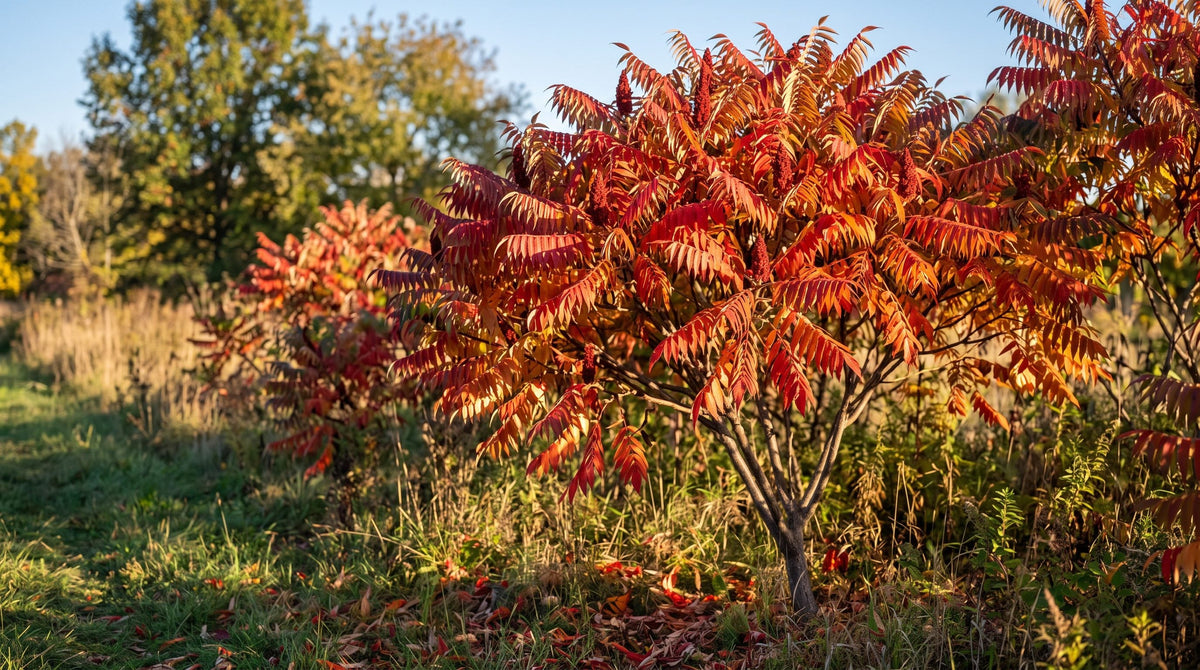
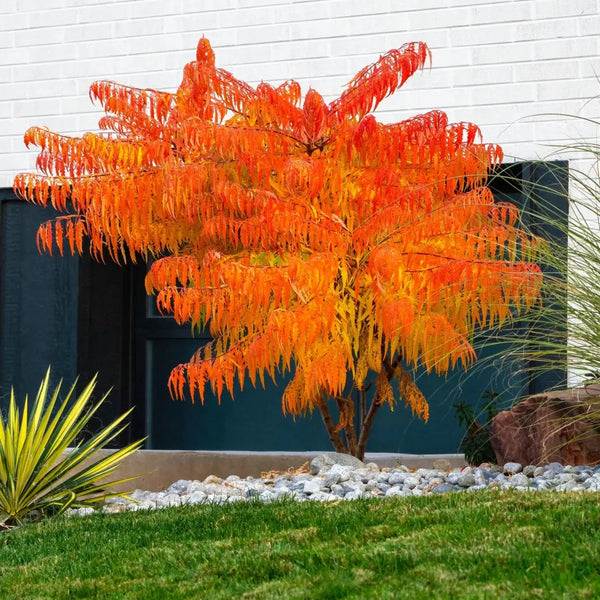
Winged sumac (Rhus copallinum), also called shining or flameleaf sumac, is a native shrub named for the green "wings" along its leaf stalks. It grows 7 to 15 feet tall in zones 4 to 9 and turns red-orange in fall. Space plants 6 to 10 feet apart for a hedge. Poison sumac has white berries and grows in swamps.
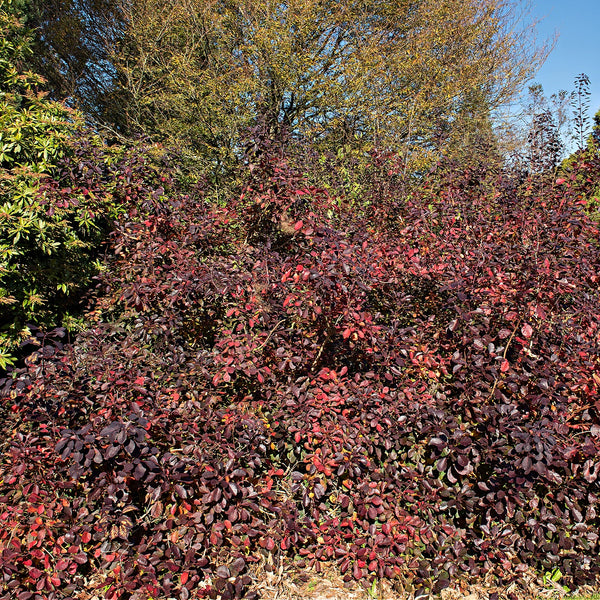
Winged sumac is one of the easiest ways to fill a bare, sunny edge with native color. It grows fast and handles tough spots where other plants struggle. In the wild, it fills roadsides and woodland edges. In summer, its greenish-yellow flowers draw bees and butterflies. It is also a host plant for the luna moth and the spring azure butterfly. In fall, the shiny leaves turn a brilliant red-orange. Only female plants make berries, and birds feed on them through the winter. The roots also send up new shoots, called suckers, so a single plant can slowly grow into a thicket. That makes it a strong choice for wildlife cover or a living screen from spring to fall. Below, learn how to recognize it, plant it from bare roots and space it for a hedge. A side-by-side table at the end shows how it differs from poison sumac, with sources.
What you need for winged sumac

1. Recognize winged sumac by its leaf stalks
Look at the stem that runs down the middle of each leaf. On winged sumac, thin green strips, or "wings," run along it between the leaflets. That is the easiest way to know you have this sumac. Each leaf is made of many shiny green leaflets. Only female plants carry the red berry clusters, which birds pick at all winter.
Tip: Poison sumac has white berries and grows in swamps. See the side-by-side table below.
2. Pick a sunny, well-drained spot
Winged sumac grows fast in full sun and soil that drains well after rain. It does well in disturbed ground where other plants struggle. That makes it a good fit for the hard-to-plant parts of a yard. Think of a sunny slope, a fence line or the edge of a field. Leave room around it, because the roots will send up new shoots over time.
Tip: Winged sumac is hardy in zones 4 to 9.
3. Soak and plant the bare roots
Your sumac arrives bare root, which means it ships with no soil around its roots. Plant it as soon as it arrives. First, soak the roots in a bucket of water for one to two hours. Dig a hole wide enough to spread the roots out. Set the plant so the top of the roots sits level with the ground. Fill the hole with soil, firm it gently and water well.
Tip: Keep the roots damp and shaded until they go in the ground.
4. Space plants 6 to 10 feet apart for hedges
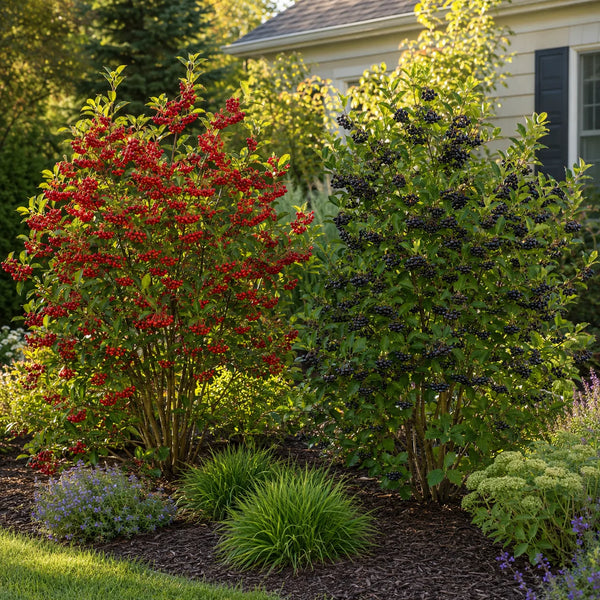
For a hedge or summer screen, set plants about 6 to 10 feet apart in a row. Closer spacing, near 6 feet, fills in sooner. Wider spacing gives each plant room to spread toward its neighbors over time. For a wildlife hedgerow, alternate sumac with other native shrubs, such as chokeberry or arrowwood viburnum. Sumac is leafless in winter, so the screen works best from spring to fall.
Tip: Mix shrubs of different heights for layered cover that birds can use.
5. Water the first summer, then guide the spread
During the first summer, give your sumac a good soak once a week whenever rain is scarce. After that first year, it pretty much looks after itself. As the roots send up new shoots, decide where you want the planting to stop. Mow around the edge to keep it in place. Or let it widen into a thicket where you want more cover for birds.
Tip: A ring of mowed lawn makes the neatest edge.
Other native sumacs to consider
Our Sumac Tree listing offers winged and flameleaf sumac, which are the same species, along with staghorn and smooth sumac. Winged sumac is the smallest of these, usually 7 to 15 feet tall, and the one with wings on its leaf stalks. Staghorn sumac is the largest, growing up to 25 feet in zones 3 to 8. You can spot it by its fuzzy branches, like the velvet on deer antlers, and its fuzzy, cone-shaped red fruit. Smooth sumac grows 10 to 15 feet in zones 3 to 9, with hairless stems and upright red fruit. For big plantings, staghorn sumac also comes as seedlings in bundles of 100 or 500. They are handy for covering a hillside or field fast. Fragrant sumac is the low grower of the family. It averages 2 to 6 feet tall and spreads up to 10 feet wide. It makes a woody ground cover that helps hold soil on slopes.
Care and keeping
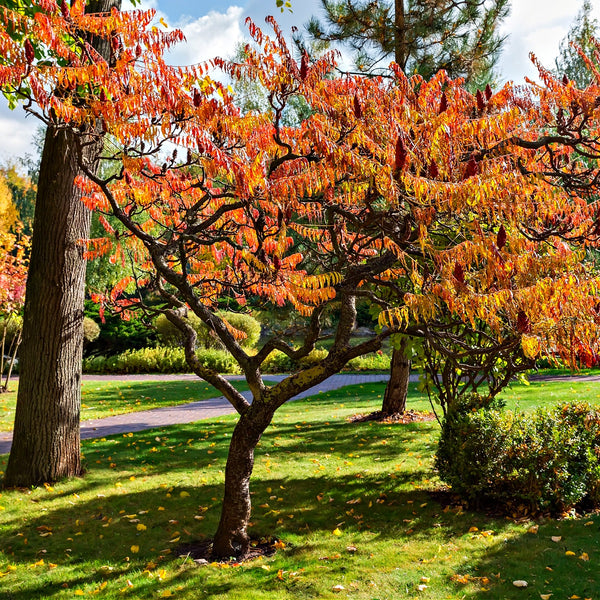
Care in a nutshell: water weekly in dry spells the first summer, then let rain do the work. Sumac is leafless in winter, so do not worry when the leaves drop after their fall show. Mow around the planting each season to hold its edge, and leave the berries on female plants for winter birds.
Frequently asked questions
Is winged sumac poisonous?
No. Winged sumac is a true sumac in the genus Rhus, and it is not poison sumac. Poison sumac belongs to a different group, Toxicodendron, along with poison ivy. Its rash comes from an oil called urushiol, found in all parts of that plant, according to Alabama Extension.
How tall does winged sumac get?
Winged sumac usually grows 7 to 15 feet tall, which makes it the smallest of the tree-type sumacs we grow. It grows fast. Because its roots send up new shoots, one plant can widen into a thicket. Plan on spacing plants 6 to 10 feet apart for a hedge.
What does a sumac look like?
Sumacs are shrubs or small trees with long leaves made of many leaflets. Winged sumac has shiny green leaflets and thin green wings along each leaf stalk. Staghorn sumac has fuzzy branches, and smooth sumac has hairless stems. Female plants carry red berry clusters, and the leaves turn red-orange in fall.
Winged sumac vs poison sumac
The two plants share a name but little else. To tell them apart, check three things: the leaf stalk, the berries and the ground the plant grows in.
| Feature | Winged sumac | Poison sumac |
|---|---|---|
| Leaf stalk | Thin green wings between the leaflets | No wings; stems and leaf stalks are often bright red |
| Leaflets | Many shiny green leaflets | 7 to 15 oblong leaflets with sharply pointed tips |
| Berries | Red clusters, on female plants only | Green berries that ripen to white and droop downward |
| Where it grows | Sunny, well-drained ground, roadsides and field edges | Swamps, bogs and wet woods |
| Plant group | Rhus, the true sumacs | Toxicodendron, the same group as poison ivy |
Winged sumac
- Leaf stalk
- Thin green wings between the leaflets
- Leaflets
- Many shiny green leaflets
- Berries
- Red clusters, on female plants only
- Where it grows
- Sunny, well-drained ground, roadsides and field edges
- Plant group
- Rhus, the true sumacs
Poison sumac
- Leaf stalk
- No wings; stems and leaf stalks are often bright red
- Leaflets
- 7 to 15 oblong leaflets with sharply pointed tips
- Berries
- Green berries that ripen to white and droop downward
- Where it grows
- Swamps, bogs and wet woods
- Plant group
- Toxicodendron, the same group as poison ivy
Poison sumac details come from the Missouri Department of Conservation and Alabama Extension. Alabama Extension notes that the oil behind the poison sumac rash is in every part of that plant. If you find a sumac-like shrub with white berries in a wet spot, leave it alone.