
Fall Planting: Secrets to Success
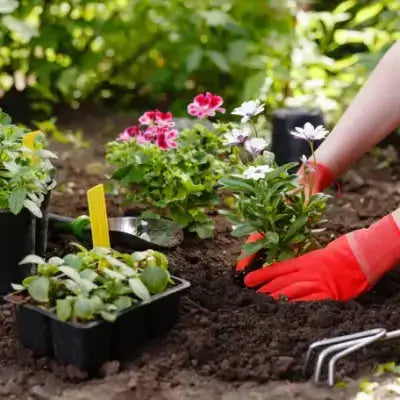
The colorful fall foliage is already being displayed on the leaves‚ and early fall planting of the bulbs and perennials will be on the minds of gardeners and plant aficionados․ Fall bulb planting season is commonly forgotten among the gardening community․ Of course‚ spring planting may be the most often recommended standard approach for gardeners‚ but if you will take a chance on the cold months‚ you will discover the benefits of planting in fall․ Days are short and temperatures are dropping‚ but this is the secret to healthy‚ hardy plants for years to come․
One of the great advantages of fall planting is that‚ while summer heat is fading‚ the soil is still warm enough to stimulate new root growth․ The combination of cooler air and warm soil makes an excellent situation for the germination of seeds and the establishment of young plants․ As the soil warms‚ the soil organisms become more active‚ and nutrients are made more available․ Additionally‚ as the air becomes cooler‚ less energy goes into developing leaves and blooms․ This means that more energy can go into developing the root system at a time when a good root system is critical for the plant's development․
Moisture conditions in autumn are also important‚ because the addition of more water both ensures that plants can be planted in the fall provided that the soil moisture is high enough by then‚ and helps with establishing young plants that may require constant moisture in order to help them recover from the shock of transplanting․ In the autumn‚ plants generally have longer to absorb moisture‚ not struggling so much against the elements as they might in spring․ Plants will have had more time for the moisture to develop good rooting‚ which will help plants as they enter the winter․
Fall Planting Gives Crops Free Access To Nutrients
Another big advantage to fall planting is that there is less competition from weeds․ A very green carpet of weeds has already settled on the landscape by the time spring weather arrives․ But what this also means is that if we are planting in the fall‚ the weeds will have slowed down‚ and the plant will have a better chance to get a foothold without using up too much energy standing up to the weeds․ And the weeds will have slowed down‚ too‚ because the days are shorter and cooler․ This gives the fall-planted crops free access to nutrients and sunlight‚ and provides ample time for crops to establish themselves and form a strong root system․
The fall season is generally good for growing roots of many species․ Because autumn is not an ideal growing season‚ the plant can focus more of its energy on root growth and less on the leaves․ This is very important‚ as a good root system is the one thing keeping the plant alive and healthy through the winter‚ anchoring the plant to the soil and providing all moisture and nutrients to the plant's upper structures․ This protects them from frost or snow‚ and by the time the growing season returns with the spring‚ the plants are well on their way to be able to grow and flourish in the warmer months․
Less Pest Pressure with Fall Planting
Pest pressure is another reason that one can consider fall planting․ Because cool weather stops the actions of nearly all pests‚ while they are active in warmer weather‚ the likelihood that seedlings or other young plants that one is trying to grow will be damaged or killed by insects is reduced․ Another advantage of planting in fall is the lower likelihood of encountering insects‚ a common problem in seedlings planted in spring․ Insects are still present in the landscape‚ but seedlings have time to sprout and get established before winter comes․
In conclusion‚ there are many advantages to planting in the autumn which can lead to greater success for the novice or experienced gardener․ Soil temperature and availability of moisture are ideal․ Weeds are less of a problem‚ and potential pests have less opportunity to infest during early spring․ Think of these benefits and remember that while the quiet beauty of autumn may seem to be the end‚ it is really the beginning; by planting your garden in the fall‚ you will have made the most of it‚ and your garden will be more prolific in the spring․ Your plants will be well established when they reach their new home‚ so go as soon as the autumn leaves start falling and the rewards waiting for you could very easily change your garden for life․


