
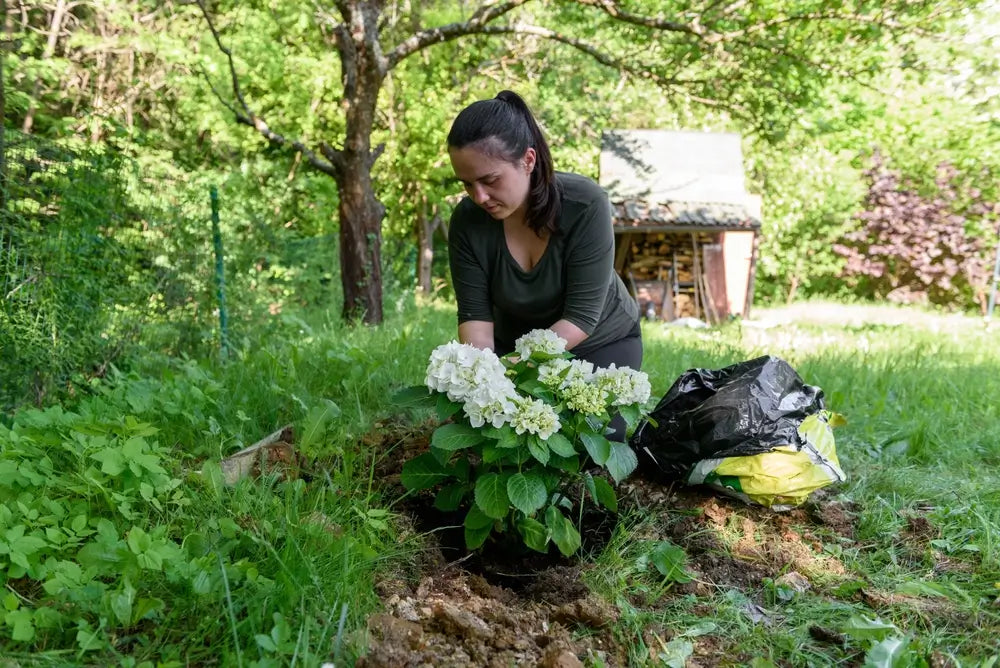
The color of the hydrangea flower, especially in the bigleaf species, is determined largely by soil pH. If the soil is acid (pH under 6), the bigleaf hydrangeas have blue flowers instead of pink. If the soil is alkaline, with a high pH or the level being over 7, the flowers will be pink. This can make hydrangeas a challenge. If you are trying to change the color of the flowers, you can begin with a pH test for the soil. For instance, if the flower color is pink and you want the color to be changed to blue, sulfur may be applied to the soil to lower the pH. Alternatively, lime may be added to raise the pH of the soil to create the pink flowers, which may be especially attractive to the gardener since the desired flower color can be created through the plant's care and growing conditions.
Hydrangeas are known for their many shades, including bright pinks and blues, pale whites, and dark purples. Each flower has a variety of colors, and they are grouped together in layers, so they appear larger than they truly are. The color of the flowers can be based on a number of variables including the variety of the hydrangea, the age of the flowers, and where it has been planted. Pastel colors are often selected when a softer look is needed in the overall look of the garden, whereas brighter colors can be a focal point in the landscape. The cultivars Endless Summer and Mophead can be blue or pink in color depending upon the soil pH, and are thus popular with gardeners who wish to have variation in appearance during the growing season. They are therefore popular in any garden design that requires variation.

The hydrangea shrub will always look best in the informal setting of a garden or wood, where the dappled sunlight can catch the colors of the flowers, which are usually abundant, yet will change from pale blue to deep pink, in harmony with the acid or alkali in the soil. Worshiped by the connoisseurs of nature as well as the uninitiated. Native to several regions, these shrubs are also widely grown and prized plants that can thrive in a wide variety of soil and climate conditions. The wide variety of colors, shapes and sizes that hydrangeas can take, make them an ideal plant for any person who wants to beautify their garden. The reader can hardly help but be attracted by all of these plants if only by their beauty, although there is far more to their charm than how they look.
Hydrangea bushes grow best in soil that is kept moist yet well-drained. Care should be taken not to compact the soil, as good air flow and drainage is also necessary to ensure water does not pool. Hydrangeas are extremely thirsty plants, which means regular watering, especially in dry spells, is essential. A thick, organic layer of mulch is also helpful when it comes to hydrangea care, as it helps soil hold moisture, prevents weeds, and provides nutrients to the soil as the mulch decomposes. Most of these plants will need fertilizing, especially during the spring months when the shrub is growing more actively and blooming regularly. Other aspects, such as the local climate, also contribute to the care and growth of the plant. Some types of the shrub may need protection from strong winds and/or low temperatures during the winter months.
Those who wish to view the growth of the hydrangea will observe that there is copious flowering in the early years, and thereafter there are streams of growth that will be slow, as the stems thicken and the roots grow, but the anticipation of the flowering is the reward of the investment, and to feel a sensed growth in the right direction is to be united with the plant. The conditions surrounding the plant, including sunlight, the soil's quality and the amount of water it receives, can provide some clues. Some hydrangeas grow out of the stem lower down the plant, creating a fuller, lusher appearance. These cycles of growth and patience help the gardener appreciate the beauty and delicacy of the plant and the balance needed to nourish and encourage it.
The paniculata grandiflora displays a level of visual beauty that surpasses all others. Summer brings forth its large cone-shaped flower clusters which transform the shrub into a soft cloud-like display. Pale green buds transform into ivory blossoms as each floret displays a full range of colors. Throughout the season the blossoms develop into warm pink and deep rose colors which maintain their appeal through the autumn months. The plant's blossoms are accompanied by foliage that remains vibrant green throughout summer but transforms into golden hues during autumn which enhances its seasonal appeal. Even during its dormant period the exfoliating bark remains visible in winter to create an interesting texture. The plant's power to produce stunning visual effects makes it a popular selection for both gardeners and landscape designers.
Fertilizing hydrangeas is key to creating the beautiful blue or pink hydrangea blooms you're no doubt familiar with, but not just any fertilizer and not just anytime will do. In fact, just a slow-release general-purpose fertilizer applied in early spring as the new foliage is unfurling will suffice. These fertilizers should contain most or all of the NPK. Adding organic matter to the soil, such as compost, at the time of planting is also advisable; organic matter feeds the plant through the growing season, and improves drainage and air circulation in the soil. High-potassium fertilizer may be used at the start of bloom for blossom color and more blooms, but overfertilization will result in more foliage and fewer flowers.
Botanical explorers from Europe documented paniculata grandiflora for the first time during the 18th century through their expeditions into Asian territories to collect botanical specimens. Historical documents reveal that temple gardens originally cultivated this plant because its flowing flowers represented grace and longevity. European gardens saw the introduction of paniculata grandiflora by Western horticulturists who valued its structural beauty and robustness as an ornamental plant. The mid-19th century saw this plant become popular throughout Victorian gardens because it presented billowing blooms in both large estates and city parks. After arriving in North America it adapted well across different climates from southern humidity to northern coldness which reinforced its status as a preferred garden plant.
Paniculata grandiflora is valued in traditional medicinal practices beyond its decorative uses. Traditional Chinese herbalists value this plant for its treatment of various medical conditions, especially inflammation and urinary tract complications. The roots of the plant were typically brewed into kidney health-promoting teas, while its leaves found occasional use in poultices to alleviate skin conditions. During traditional Japanese rituals, paniculata grandiflora served as a symbol of purification and renewal and was featured in both ceremonial practices and herbal medicine preparations. Even though contemporary medical practice has evolved past these traditional uses modern medicine still recognizes its historical roles which illustrate its long-standing cultural significance throughout various regions and time periods.
