
How to Plant Walking Fern in Shade Gardens This July
We grow walking fern for deep shade in Zones 4–8. You’ll get evergreen texture for rock walls, ravines, and shaded beds, plus simple planting advice if you keep reading.
Walking Fern Gives Shade Gardens a Different Look
- Light: best in full shade or morning sun with afternoon protection
- Moisture: plant in evenly moist, humus-rich soil that never dries hard
- Hardiness: check your local zone before planting for long-term success
- July planting: set plants in the morning, mulch after planting, and avoid hot late-day transplanting
- Summer care: keep roots cool and supply steady moisture while new plants settle in
How to Plant Walking Fern in Shade Gardens

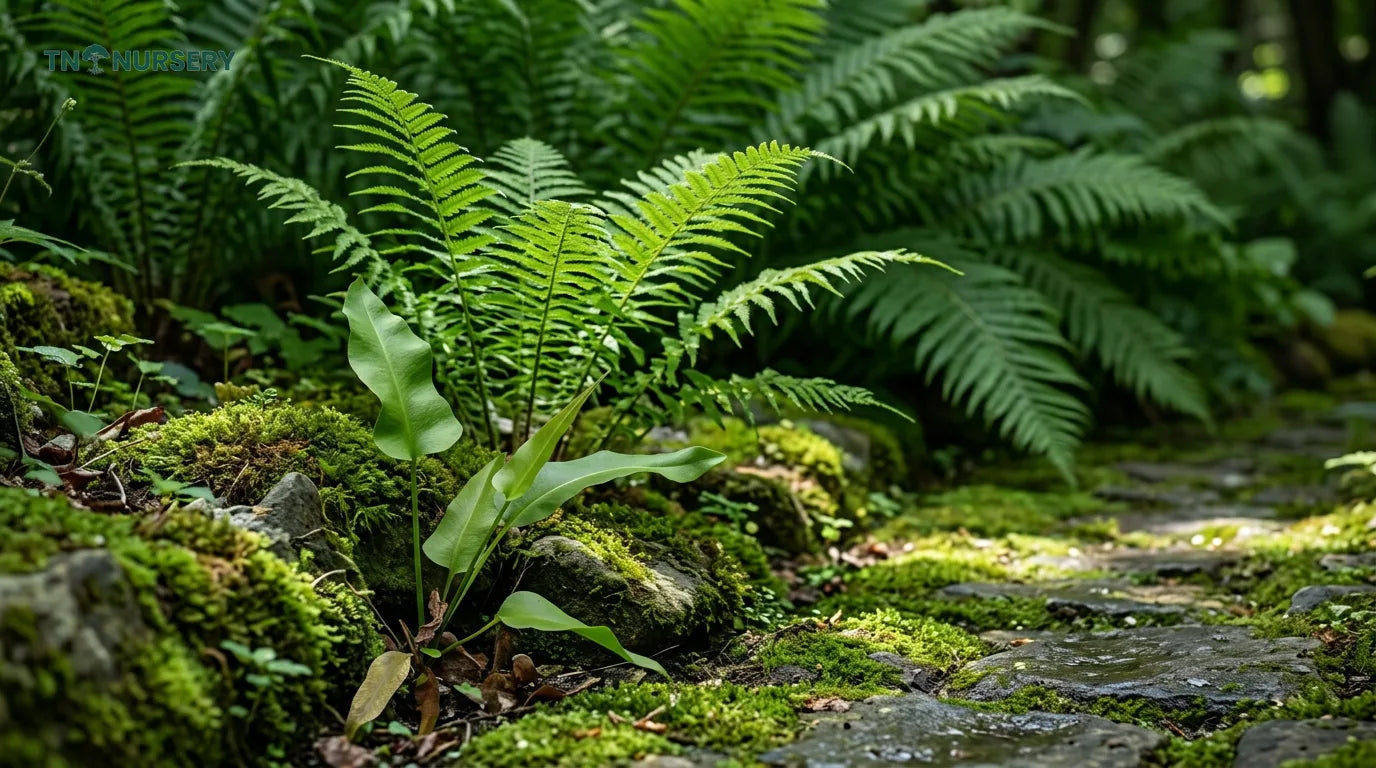
Native Evergreen Walking Fern for Cool, Shaded Crevices
Our walking fern for shade gardens gives you a very different look from feathery ferns. It stays evergreen, keeps a compact 6 to 12 inch size, and slowly roots from leaf tips where fronds touch moist ground. At $7.99, this shade fern brings real character to mossy pockets, limestone rock gardens, and humid woodland beds. Keep in mind, it needs the right setting and steady moisture, so it suits gardeners who can match its natural conditions.
- Evergreen foliage with pointed triangular fronds that stay attractive year-round
- Thrives in partial to full shade for woodland beds, shaded crevices, and rock garden pockets
- Leaf tips root into moist ground, helping it spread slowly in limestone-rich or calcareous sites
How to Plant Walking Fern in Shade Gardens
If you're learning how to plant walking fern in shade gardens, start with the coolest spot you have. We plant this fern for shade where it gets full shade to partial shade, with protection from hot afternoon sun. A north side bed, a shaded stone wall, or a humid woodland edge works especially well.
How to choose the right how to plant walking fern in shade gardens?
Choose a site that stays cool, sheltered, and evenly moist through summer. If the area bakes after 2 p.m. or catches strong wind, keep looking. Walking fern handles low light well, but heat and dry air slow it down fast.
Site setup for a shade fern
We get the best results in soil that feels loose and damp, not soggy. Mix in leaf mold or compost before planting. If your soil is naturally limestone-rich or calcareous, that can help walking fern settle in better and hold its deep green color.
- Dig a shallow hole only as deep as the root area.
- Set the plant so the crown sits at soil level.
- Do not bury the crown. That causes rot.
- Space plants about 8 to 12 inches apart.
- Water in slowly so moisture reaches the root zone.
- Add a light mulch of shredded leaves, but keep it off the crown.
July planting tips for fern in shade
In July, plant early in the morning or near dusk. The soil stays cooler then, and transplant shock is easier to avoid. Check moisture more often during summer heat, especially in the first two weeks.
Keep in mind: walking fern is one of the better evergreen ferns for quiet, shaded spaces, but it is not a plant for dry, exposed beds.
Quick fixes for ferns shade problems
- Dry soil: Water deeply and add more leaf mold to hold moisture.
- Direct sun exposure: Move it to filtered light or deeper shade.
- Windy site: Replant near rocks, walls, or denser plantings for shelter.
If you're building out a woodland bed, you'll find more options in our Shade Ferns collection for shady garden planting and Easy Ferns To Grow collection for low-maintenance woodland garden plants. For tight spaces, our Small Ferns For Sale collection for ferns for shady areas is a practical place to start.
Build a Layered Shade Fern Planting Around Walking Fern
If you're planning how to plant walking fern in shade gardens, these picks help you shape the full scene. We pair compact evergreen texture near stone edges with taller fern for shade behind it, so your bed feels deeper, softer, and more natural.


Positioning and Caring for Walking Fern in July
When customers ask us how to plant walking fern in shade gardens, we start with placement before anything else. Put it in the coolest pocket you have. Think north-facing stone edges, the east side of a bed, or a damp spot near logs, moss, and shallow rock crevices where roots stay cool through July.
How to choose the right how to plant walking fern in shade gardens?
Choose the most sheltered location, not the brightest one. Walking fern handles low light well, but hot afternoon sun dries its fronds fast and stresses shallow roots.
Layout ideas for a layered woodland look
We like to place this low, evergreen fern in front where you can actually see its strap-like fronds. Then build upward behind it with plants from our Small Ferns For Sale and Large Ferns for Sale collections. That gives the bed a clear shape instead of a flat green patch.
- Front layer: walking fern near rocks, path edges, or mossy pockets
- Middle layer: medium fern for shade to soften the transition
- Back layer: taller shade fern behind logs, shrubs, or tree trunks
So, where does it work best in the yard? Use it to soften a shaded walkway, fill a hard low-light corner, or connect trees, shrubs, and ground-level planting into one woodland scene. This is one of the easiest ways to make ferns shade areas look planned instead of empty.
What are the best how to plant walking fern in shade gardens to buy?
For a layered planting, we suggest starting with our Shade Ferns collection and then adding scale from our broader Ferns for Sale selection. If you want the planting to stay simple, stick with low growers in front and only one taller fern in shade behind them.
July watering and mulch care
July care needs a steady hand. Water deeply, but do it slowly so moisture sinks in instead of running off hard summer soil. Check the top inch often with your finger. If it feels barely damp, water again. If it feels soggy, wait.
- Water at the base, not over the fronds
- Keep soil evenly moist, never swampy
- Add a light mulch layer to cool the root zone
- Watch rock beds closely because they can dry faster
Keep in mind: walking fern likes moisture, but it will not forgive standing water around the crown.
And if you are building out the whole space, pair ferns with shade-friendly trees, shrubs, mosses, and other woodland plantings from our live-plant catalog. That mix gives you structure overhead, softness at ground level, and a garden that asks for less trimming in midsummer.
Walking Fern FAQ
Can ferns grow in shade?
Yes. Most ferns we sell are grown for shade, and walking fern is one of the clearest examples. It handles low light well, especially where the soil stays cool, drains well, and does not bake in afternoon sun.
Is walking fern a good fern for deep shade?
Yes, walking fern works well in deep shade, especially along stone edges, damp woodland beds, and north-facing spots. Keep in mind, though, deep shade can slow growth, so you may see a quieter spread than you would in bright filtered light.
How do I handle how to plant walking fern in shade gardens?
Plant it shallowly in humus-rich soil and tuck it where roots stay cool. We suggest a spot near rocks, a wall, or a mossy edge because walking fern naturally suits crevices and sheltered shade better than open, dry beds.
How often should I water newly planted ferns in July?
In July, water new ferns often enough to keep the root zone evenly moist, not soggy. Check the soil with your finger every day or two. If the top inch feels dry, water deeply. This matters most during the first stretch after planting.
What are the best companion ferns for shady areas?
The best companions are other shade fern types with similar moisture needs. You will find good pairings in our Shade Ferns, Small Ferns For Sale, and Large Ferns for Sale collections. Mix leaf size and height for a more natural woodland look, but keep all of them out of hot, exposed afternoon sun.
Are all ferns evergreen?
No. Some evergreen ferns hold their fronds through winter, while others die back and return later. Walking fern is often chosen when gardeners want more year-round structure, but local weather still affects how full it looks.
Can I plant walking fern near rocks or a wall?
Yes, and that is one of the best uses for it. Walking fern fits naturally beside rocks, old walls, and shaded stone paths where moisture lingers and roots stay protected. It is a strong pick for fern in shade where larger plants would look bulky.
How does TN Nursery ship fern orders?
We ship all items by 3-4 day ground shipping. That includes our fern orders as well.
What is your return or replacement policy?
We do not offer refunds, and we do not accept returns. If a plant issue qualifies and stock is available, we can offer a reshipment. If you purchased an extended warranty, that applies. If the product is unavailable, we may offer in-store credit.
Conclusion
Key Takeaways
- Walking fern is an evergreen choice for cool, moist shade.
- July planting works best with careful watering and protected placement.
- Zone compatibility and site conditions matter more than guesswork.
- Layered fern plantings can turn hard shady areas into low-maintenance woodland beds.
