
The short answer
Count the leaflets. Virginia creeper usually has five leaflets spread like fingers from one point, while poison ivy has three. Then check the vine: creeper climbs with tendrils tipped in sticky discs, and poison ivy clings with hairy rootlets. In late summer, creeper carries dark blue berries and poison ivy carries white ones.
Virginia creeper vs poison ivy is a common puzzle, because the two often grow side by side along fence lines, woodland edges and old stone walls, and from a few steps away they can look alike. The difference matters. Poison ivy sap holds urushiol, the oil that causes its allergic rash, according to Penn State Extension. Virginia creeper is a native vine in the grape family that gardeners plant on purpose for its fiery red fall color and the dark blue berries birds feed on before winter. The trouble is that a single quick look in one season can fool you. Fall color will not settle it, because both vines can turn red. Young creeper shoots can show three leaflets. A bare winter vine has no leaves to count at all. The checks below follow the plant through the year: leaves first, then the vine, then the berries, then the fall show. After that, we cover how to plant Virginia creeper where you actually want it.
Virginia creeper vs poison ivy checks
1. Count the leaflets on each leaf
Look at one leaf stalk, not the whole vine. Virginia creeper usually carries five leaflets spreading from a single point, like an open hand, each with toothed edges. Poison ivy carries three, and their edges vary from toothed to smooth to lobed. Young creeper shoots sometimes show only three leaflets, so check several leaves along the same vine before you decide.
Tip: Check leaves near the vine's older, woody base as well as the new tips.
2. Look at how the vine climbs
Follow the vine to where it meets the wall, tree or fence. Virginia creeper holds on with tendrils that end in small adhesive discs, and its stems look fairly smooth. Poison ivy anchors itself with hairy, fuzzy aerial rootlets along its stems, so a thick older vine looks shaggy, almost like rope. This check works in winter too, when neither vine has leaves left to count.
Tip: Use a stick to lift leaves aside for a closer look at the stem.
3. Check the berries in late summer
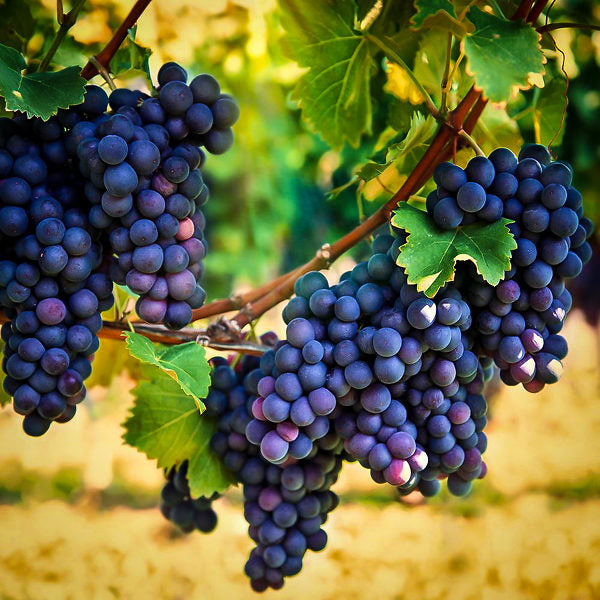
Both vines flower quietly, then set fruit. Virginia creeper berries ripen dark blue in late summer and fall, hanging in loose clusters that look like tiny grapes, fitting for a member of the grape family. Poison ivy forms clusters of small white or ivory berries instead. Berry color is one of the clearest signs once leaves start to drop, and birds eat the fruit of both vines.
4. Read fall color with care
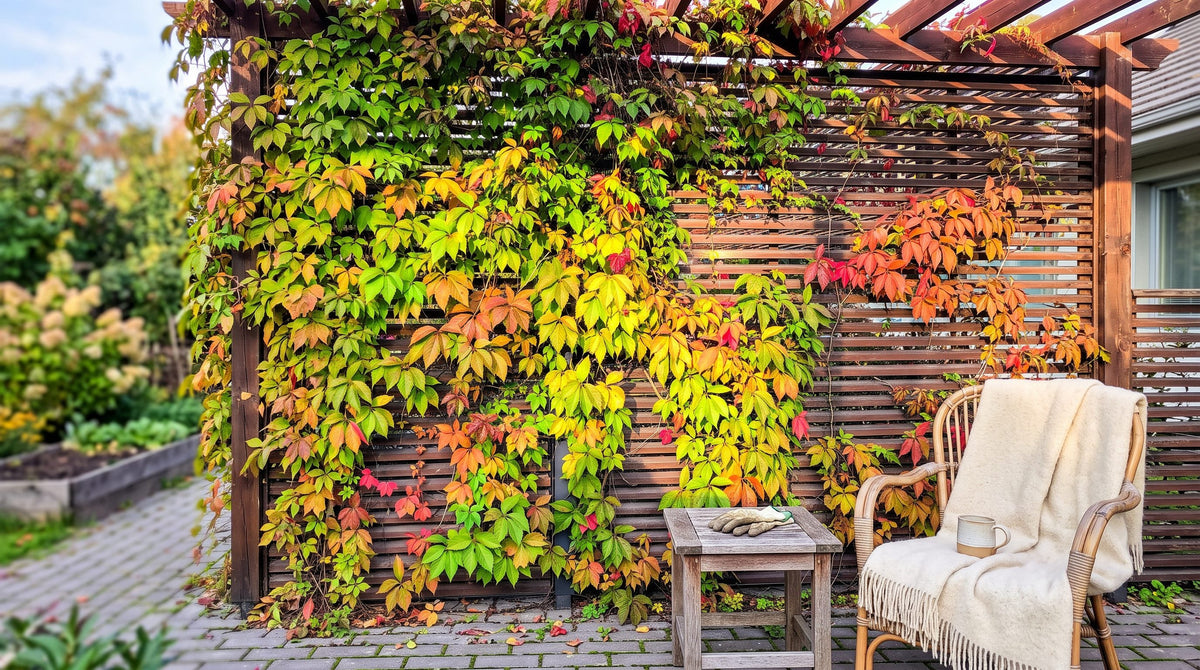
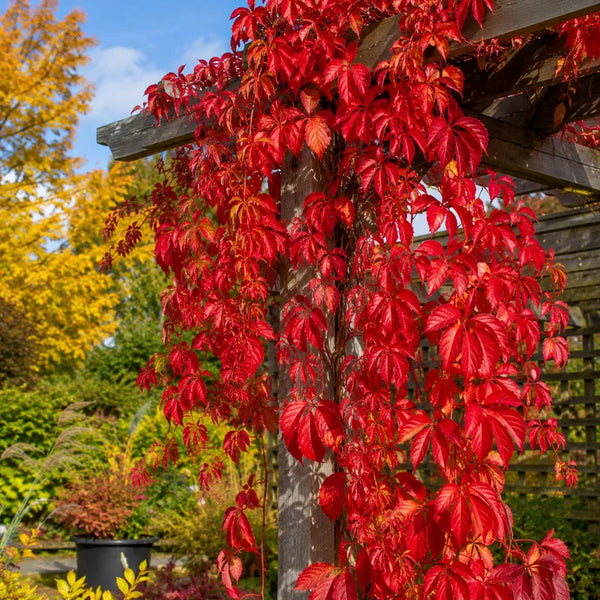
Fall is when Virginia creeper earns its place, turning a fiery red that glows on walls and fences. Poison ivy colors up too, in red, yellow and orange, so a red vine alone proves nothing. In fall, go back to the leaflet count while leaves remain, then check the berries and the stems. In spring, remember that new poison ivy leaves are often reddish as they unfold.
5. Plant Virginia creeper where you want it
Once you know it, Virginia creeper is easy to grow on purpose. It handles full sun to full shade, low to moderate water and most soil types, and it thrives in well-drained ground. Plant it at the base of a fence, trellis, porch or old wall. It grows fast, climbs only as high as its support, and pruning is optional if you want a set shape.
Tip: Water regularly after planting to help new roots settle in.
Grow it as groundcover or a wildlife wall
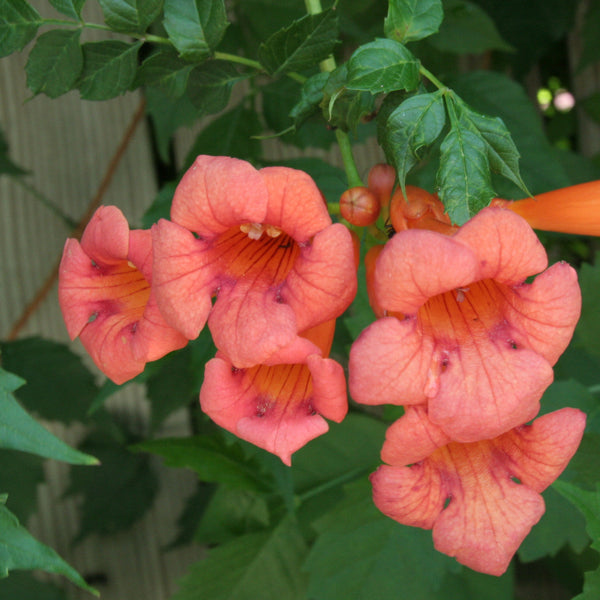
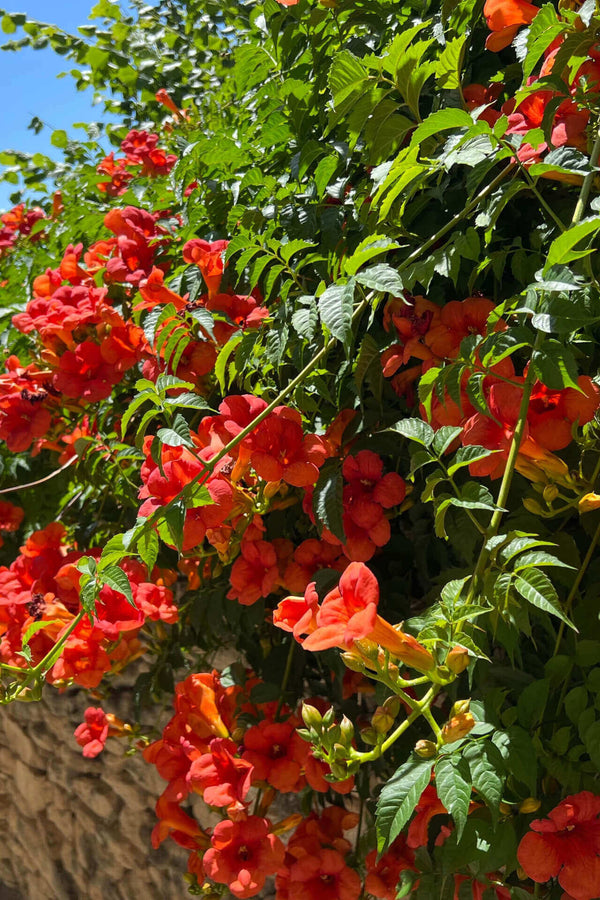
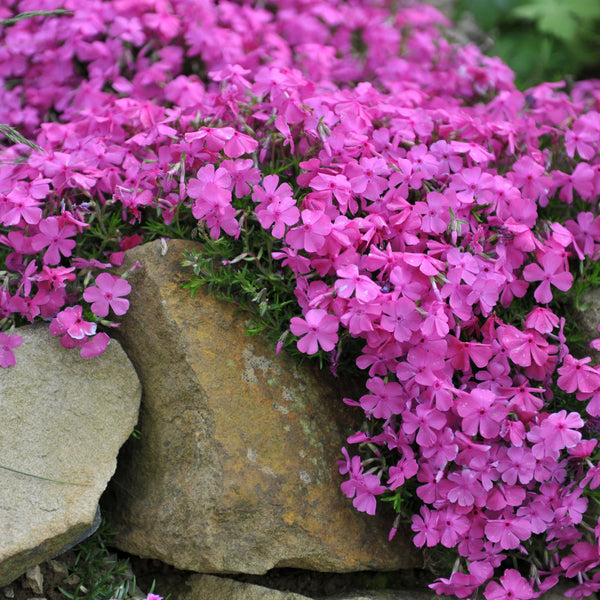
Virginia creeper does not need anything to climb. Left on open ground, it spreads wide and covers bare soil quickly, which makes it a practical choice for slopes and banks where you want to slow erosion. It fills in under trees and along shady edges, since it grows in full shade as well as sun. On a wall or fence, it becomes a seasonal backdrop: deep green through spring and summer, fiery red in fall, then dark blue berries that native birds rely on as they prepare for winter. The foliage also gives birds shelter. To build a fuller wildlife planting, pair creeper with a flowering native such as trumpet vine, whose orange-red trumpet blooms draw hummingbirds, bees and butterflies through summer. For a mixed groundcover bed, a starter package gives you several species at once, so you can see what settles best on your property before you plant more of any one kind.
Care and keeping
Virginia creeper grows in sun or shade, but partial or dappled sun suits it best. Give it ground that drains well, and work a little sand into soil that stays wet after rain. Water regularly in the weeks after planting so new roots establish; after that, its water needs are low to moderate.
Frequently asked questions
Is Virginia creeper a type of ivy?
No. Virginia creeper, Parthenocissus quinquefolia, belongs to the grape family, Vitaceae, which explains its grape-like clusters of dark blue berries. Poison ivy, Toxicodendron radicans, is a different plant altogether. Virginia creeper is sometimes loosely called an ivy, but the name tells you nothing about how either plant affects your skin.
Can Virginia creeper cause a rash?
It can for some people. The Missouri Poison Center notes that sap from its leaves and stems can bother sensitive skin, and that this differs from a poison ivy rash, since creeper sap lacks urushiol. Rinse any exposed skin with lukewarm water and soap, and wear gloves when pruning.
How do you tell poison ivy from Virginia creeper in fall?
Do not rely on color, because both vines can turn red, and poison ivy may also show yellow and orange. Count leaflets while leaves hang on: five for creeper, three for poison ivy. Look at the fruit too. Creeper carries dark blue berries, poison ivy white ones, and the hairy rootlets on poison ivy stems stay visible after leaf drop.
Virginia creeper vs poison ivy at a glance
| Feature | Virginia creeper | Poison ivy |
|---|---|---|
| Leaflets per leaf | Usually five; young shoots may show three | Three |
| Leaflet edges | Toothed | Toothed, smooth or lobed |
| How it climbs | Tendrils with adhesive discs | Hairy, fuzzy aerial rootlets |
| Spring leaves | Green | New growth often reddish |
| Berries | Dark blue clusters | White or ivory clusters |
| Fall color | Fiery red | Red, yellow and orange |
| Sap | No urushiol | Contains urushiol |
Virginia creeper
- Leaflets per leaf
- Usually five; young shoots may show three
- Leaflet edges
- Toothed
- How it climbs
- Tendrils with adhesive discs
- Spring leaves
- Green
- Berries
- Dark blue clusters
- Fall color
- Fiery red
- Sap
- No urushiol
Poison ivy
- Leaflets per leaf
- Three
- Leaflet edges
- Toothed, smooth or lobed
- How it climbs
- Hairy, fuzzy aerial rootlets
- Spring leaves
- New growth often reddish
- Berries
- White or ivory clusters
- Fall color
- Red, yellow and orange
- Sap
- Contains urushiol
