
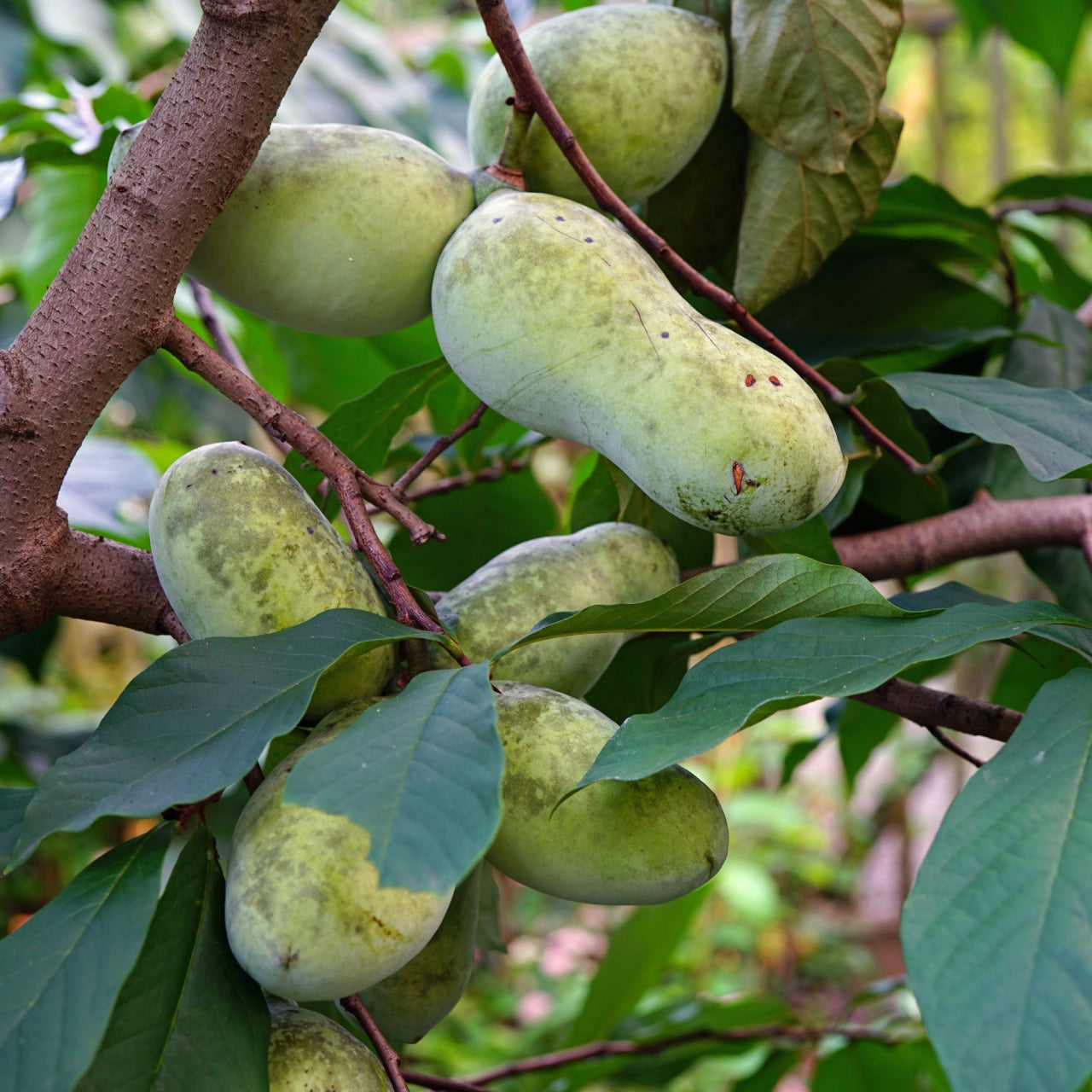
Pawpaw Tree Guide: Planting, Growing, and Benefits
Pawpaw trees are one of the easiest native fruit trees to love once you match them with the right site. Pawpaw trees offer tropical-tasting fruit, bold foliage, and strong wildlife value in one planting.
As Asimina triloba, pawpaw fits especially well in home orchards, edible landscapes, and naturalized yards across much of the eastern United States. It also combines well with other native and productive choices from a tree planting, helping you build a layered landscape with shade, habitat, and seasonal interest.
If you are wondering how to grow them, start with three basics: rich well-drained soil, even moisture, and protection for young trees from intense afternoon sun and wind. Once established, pawpaws become far less fussy than many gardeners expect.
Tips for Growing Pawpaw Trees Successfully
Pawpaw trees thrive in the eastern United States in rich, well-drained soil with a slightly acidic pH of 5.5–7.0.
Key Growing Tips
- Plant in sheltered areas protected from strong winds
- Provide shade for young trees during the first two years
- Ensure soil drains well—avoid standing water
For reliable results, consider planting nursery-grown trees from TN Nursery.
The best place to plant a pawpaw tree is a spot with morning sun, afternoon protection for young plants, and soil that stays evenly moist without becoming waterlogged. Good airflow helps reduce stress, but exposed hilltops and dry sites usually slow establishment.
- Give trees room to mature, since established pawpaws can spread into a small grove over time.
- Use mulch to hold moisture, but keep it a few inches away from the trunk.
- When possible, grow pawpaws near other fruit trees in a sheltered orchard layout.
How to Plant Pawpaw Trees
Planting pawpaw trees takes patience, but the tropical foliage and fruit make it worthwhile.
Pawpaw trees establish best when planted in a protected site with loose, rich soil and steady moisture. If you want the strongest start, avoid disturbing the roots more than necessary and plant while temperatures are mild in spring or fall.
Planting Steps
- Plant in early spring or late fall
- Dig a hole twice the width and depth of the root ball
- Amend soil with compost
- Position the root collar slightly above soil level
- Water deeply and keep soil moist during the first season
Mature trees can reach up to 25 feet tall and produce fragrant flowers followed by fruit in late summer.
For the best soil for pawpaw trees, aim for fertile loam with organic matter and a slightly acidic to neutral pH. Heavy clay can work if drainage is improved first, but standing water and compacted soil often cause the most trouble.
- Water the planting hole thoroughly after backfilling to settle soil around the roots.
- Stake only if the site is windy, then remove supports once the tree is stable.
- A layer of mulch helps hold moisture during the first growing season.
Pawpaw Tree Care and Maintenance
Pawpaw tree care is simple once the tree is established: keep the soil evenly moist, mulch the root zone, and avoid unnecessary root disturbance. Most problems come from dry soil, poor pollination, or planting in a site that is too exposed.
Young trees usually need the most attention during their first two seasons. After that, many gardeners find pawpaws are easier to grow than expected, especially when compared with fussier fruit trees.
A steady routine matters more than heavy feeding. Water during dry stretches, refresh mulch as it breaks down, and prune only to remove damaged or crossing growth.
Essential Care Tips
- Watering: Keep soil moist but not soggy
- Mulching: Retains moisture and suppresses weeds
- Fertilizing: Use balanced fertilizer in early spring
- Pruning: Remove dead or crossing branches in late winter
Pawpaws are generally pest-resistant but benefit from proper airflow and spacing.
If you are asking whether pawpaw trees are easy to grow, the answer is yes for many gardeners once the site is right. They are not high-maintenance, but they do reward consistent moisture and patience during the slow early years.
Pawpaw Tree Varieties
Choosing two compatible pawpaw varieties is one of the best ways to improve fruit set and flavor. While some selections are described as partially self-fertile, most home growers still get better results by planting more than one tree.
- Sunflower: Cold-hardy and often chosen for dependable production
- Overleese: Known for smooth texture and good flavor
- Susquehanna: Produces large, rich fruit with few seeds
If you are building a small orchard, pair pawpaws with other fruit trees in a protected area with deep, fertile soil.
Pawpaw Fruit Benefits
Pawpaw fruit is valued for its rich flavor, soft texture, and useful nutrients. It supplies vitamins and antioxidants, and many gardeners grow the tree as much for fresh eating as for its ornamental appeal.
The fruit is often described as tasting like a blend of banana, mango, and custard. Because ripe pawpaws bruise and spoil quickly, growing your own is often the easiest way to enjoy them at peak quality.
Designing an Edible Landscape
Pawpaw trees are excellent for edible landscapes because they combine fruit production, native habitat value, and a lush tropical look. They work especially well along woodland edges, rain-friendly planting zones, and mixed borders with other useful trees.
In a larger design, place pawpaws where they get protection from harsh afternoon sun when young and enough room to mature. They can be grouped with other trees to create shade, privacy, and seasonal food for wildlife.
Landscape Tips
A good pawpaw planting feels natural and functional at the same time. Start with moisture, shelter, and spacing, then build the rest of the landscape around those needs.
- Layer trees, shrubs, and groundcovers
- Add pollinator-friendly plants
- Plant near other native species for best results
- Use mulch and groundcovers to keep the root zone cool and evenly moist
- Reserve the sunniest, driest spots for plants better suited to open exposure
FAQs About Pawpaw Trees
Pawpaw trees are native fruit trees that reward gardeners who give them the right soil, steady moisture, and cross-pollination. These quick answers cover the questions most people ask before planting.
What is a pawpaw tree?
A native North American tree (Asimina triloba) producing tropical-flavored fruit.
Where do pawpaw trees grow?
They grow in eastern U.S. woodlands and riverbanks.
How long until they bear fruit?
Pawpaw trees usually bear fruit in about 4 to 8 years, depending on age at planting, pollination, and growing conditions. Grafted or well-established nursery trees may produce sooner than seedlings.
Do you need two trees?
Yes, cross-pollination is required for fruit production.
For the most reliable crop, plant two genetically different pawpaw trees rather than two seedlings from the same source if you can avoid it. Hand pollination can also help when natural pollinators are scarce.
Where can you buy pawpaw trees?
You can buy pawpaw trees from reputable nurseries that ship healthy, well-rooted stock and list growing details clearly. If you are comparing options, start with a fruit tree collection and choose plants suited to your climate and space.
Pawpaw Tree Growth and Characteristics
Pawpaw trees (Asimina triloba) grow 15–30 feet tall with large tropical leaves and purple-brown flowers. They thrive in USDA zones 5–9 and prefer partial shade when young.
Pollination and Fruit Production
Pawpaw trees rely on flies and beetles for pollination. Plant multiple trees or hand-pollinate to improve yields.

Poor fruit set is often a pollination problem rather than a fertility problem. If your trees flower well but produce little fruit, adding a second variety and transferring pollen by hand with a small brush can make a noticeable difference.
Ecological Importance
Pawpaw trees are valuable native plants because they feed wildlife and support specialist insects. They are especially important as host plants for zebra swallowtail butterflies, which depend on pawpaw foliage for their life cycle.
Beyond butterflies, pawpaws help stabilize soil, add organic matter through leaf drop, and create shelter for birds and small animals. In mixed native plantings, they fit naturally with other shade trees and woodland species.
Challenges in Growing Pawpaw Trees
Pawpaw trees require patience, proper pollination, and consistent moisture. They are sensitive to root disturbance and slow to establish.

Companion Plants for Pawpaw Trees
The best companion plants for pawpaw trees help conserve moisture, support pollinators, and match the tree's woodland character. Choose plants that tolerate part shade and do not compete aggressively with shallow roots.
- Woodland-friendly trees for layered structure
- Moisture-holding sedges or native groundcovers around the drip line
- Pollinator plants placed nearby, but not crowded against the trunk
Avoid dense, thirsty plantings right at the base of young trees. During establishment, simpler understory planting is usually better than overfilling the space.
Final Thoughts
Pawpaw trees are a unique and rewarding addition to any landscape. With proper planting, patience, and care, they provide tropical-flavored fruit, support wildlife, and enhance biodiversity.
Frequently asked questions
Are pawpaw trees easy to grow?
Pawpaw trees are fairly easy to grow when planted in rich, well-drained soil with steady moisture and some protection while young. Most issues come from dry conditions, poor pollination, or root disturbance during planting.
What is the best place to plant a pawpaw tree?
The best place to plant a pawpaw tree is in a sheltered spot with fertile soil, good drainage, and even moisture. Young trees benefit from protection from strong wind and intense afternoon sun.
What is the best soil for pawpaw trees?
Pawpaw trees prefer fertile loam with organic matter and slightly acidic to neutral pH. The soil should stay moist but drain well, since standing water can stress the roots.
How long does it take a pawpaw tree to bear fruit?
Most pawpaw trees begin bearing in about 4 to 8 years, depending on whether they are seedlings or nursery-grown trees and how well they are pollinated.
Do you need two pawpaw trees to get fruit?
Yes, most pawpaw trees produce better when two genetically different trees are planted for cross-pollination. Hand pollination can also improve fruit set if natural pollinators are limited.
