
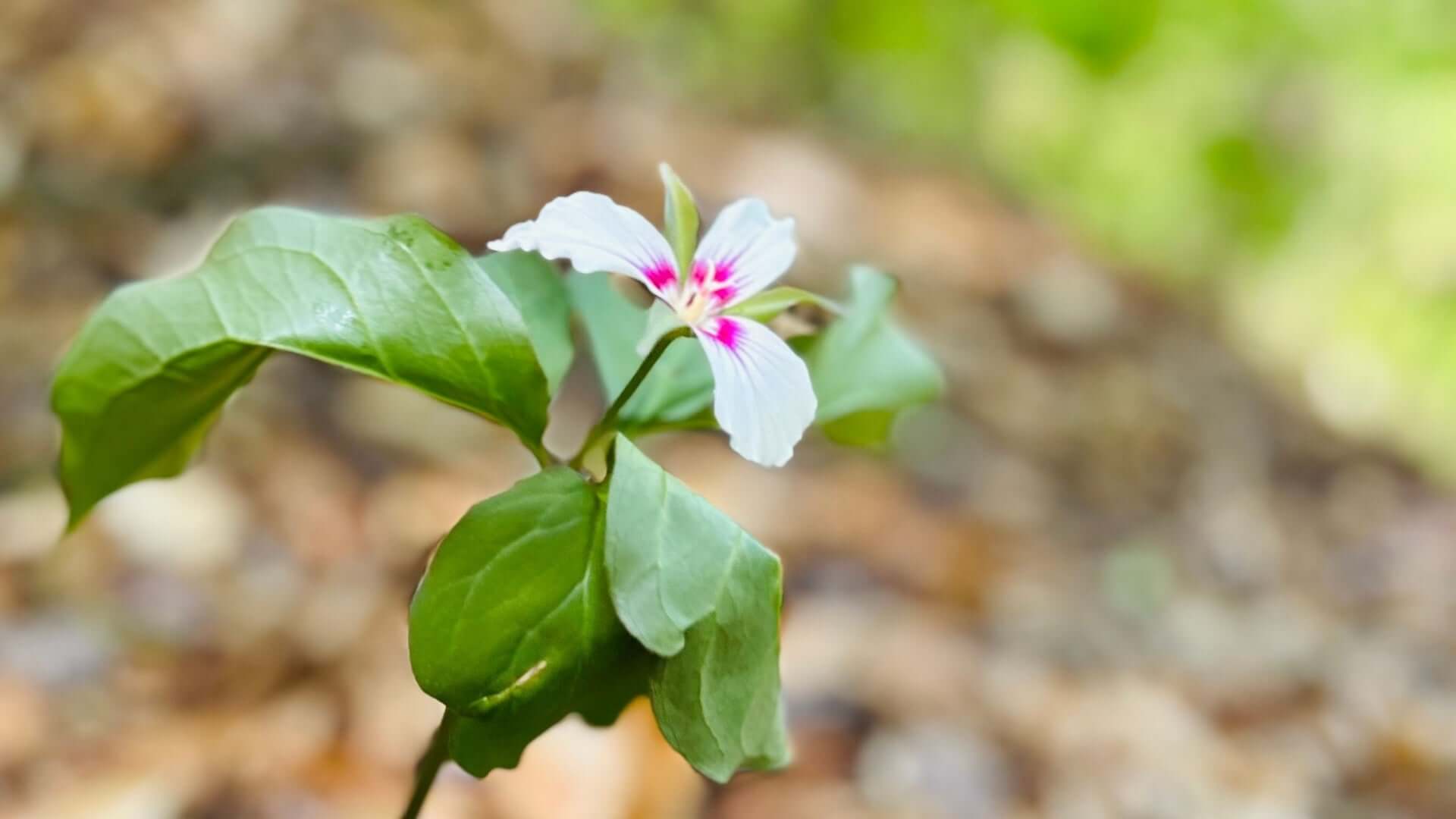
Among the woodland treasures gardeners adore, Painted Trillium (Trillium undulatum) is a stunning and delicate beauty. This native wildflower, with its white petals accented by a vivid red or purple center, brings an air of serenity to shaded gardens, making it a sought-after addition to naturalized spaces. But growing and nurturing this wildflower can test patience and precision. Painted Trillium demands a specific environment, and understanding its needs is critical to cultivating a thriving display. Let's dive into what it takes to grow this unique plant, its blooming habits, and its graceful life cycle.
How many years does it take for Painted Trillium to bloom?
One of the first things you need to know about Painted Trillium is that it's not a plant that blooms overnight. Patience is required if you plan to introduce this beauty into your garden. Painted Trillium grows from a rhizome, and it can take several years, often five to seven, before it begins to produce its iconic blooms. This extended timeline makes it a test for gardeners used to more immediate results.
In its early years, the Trillium focused on establishing a solid underground root system, which was crucial for its longevity and later bloom production. You may only see the emerging leaves during this time, a reminder of the slow, steady work beneath the soil. The reward, though delayed, is well worth the wait. When the flowers finally appear, they do so in a way that feels almost like a gift from the earth, delicate yet vibrant, and all the more appreciated for the patience it demands.
Does Painted Trillium need sun or shade?
One key element to successfully growing Painted Trillium is replicating its natural woodland habitat. This plant thrives in dappled shade, typically found under the canopy of deciduous trees. It's important to remember that while Painted Trillium does require some sunlight, it should be filtered and gentle. Direct, harsh sunlight, especially during the hotter parts of the day, can be detrimental to its growth. Instead, aim for morning light or soft, filtered sun penetrating a forested area.
If you plan to grow Painted Trillium in your garden, choose a location with well-draining, acidic soil rich in organic matter. Adding leaf mold or compost can help create the ideal growing medium, mimicking the forest floor that Trillium calls home. Planting it where it can enjoy the shelter of larger shrubs or trees is an excellent strategy to ensure it gets the right balance of shade and light. Remember, too much sun can stress the plant, but too little will slow its growth and delay its bloom.
Soil and Sunlight for Painted Trillium
Among North America's most cherished wildflowers stands this extraordinary species which earns its admiration through its historical significance and its past medicinal uses along with its ecological importance. Ancient herbal usage to contemporary shade garden applications demonstrates its enduring ability to captivate anyone who encounters it.
Do Painted Trillium flowers spread?
Painted Trillium has a gentle, natural way of spreading over time, but it's not the type of plant that aggressively takes over a garden. It relies on its rhizome system to gradually expand, creating small colonies over several years. In the wild, Trillium spreads through seed dispersal, often with the help of ants in a process known as myrmecochory. Ants are attracted to the fleshy seed appendage called an elaiosome and carry the seeds to their nests, where they germinate and grow into new plants.
In a garden setting, this spread is much slower, but if left undisturbed, Painted Trillium can slowly increase in number, forming a charming, naturalized patch. It's worth noting that disturbing the plants-whether through transplanting or excessive foot traffic-can disrupt this delicate spreading process. Trillium does best when it's left to proliferate quietly, undisturbed by external interference. Given time, the Painted Trillium will reward you with a graceful spread of blooms, each spring revealing more than the last.
What is the lifespan of a Painted Trillium?
The lifespan of a Painted Trillium can be surprisingly long, often spanning several decades if the conditions are right. This perennial plant is built for endurance, and as long as it is in an environment that mimics its natural habitat, it can thrive for many years. With its slow-growing nature and long-lived root system, the Trillium is not a plant you grow for short-term gratification but instead for the joy of watching it persist and return, year after year.
However, it's essential to ensure its growing conditions remain stable. As with many woodland plants, Painted Trillium does not respond well to significant environmental changes. If the tree canopy that provides shade is suddenly removed or the soil becomes compacted or waterlogged, the plant can suffer and eventually die. Conversely, if you take the time to recreate its preferred habitat-shaded, rich in organic material, with well-drained, slightly acidic soil-this lovely plant can become a permanent, cherished feature in your garden, returning each spring to mark the beginning of the season.
Painted Trillium is a masterclass in slow beauty, a plant that requires patience, care, and an understanding of its native woodland roots. From its delicate bloom cycle that can take years to its preference for shade and dappled sunlight, the Trillium asks for a commitment from the gardener-but rewards it with stunning displays that feel like a true gift from nature. Whether you plan to introduce Painted Trillium to a woodland garden or nurture a patch already in place, understanding its slow-growing, steady nature is vital to cultivating a flourishing display. With the proper care and respect for its needs, this botanical gem will continue to grace your garden for decades.
Great White Trillium Perennials
Guide and TipsPlanting Painted Trillium
This woodland beauty's appearance surpasses most other plants in terms of visual appeal. This plant grows between 12 and 18 inches tall and produces one stunning flower that looks as though it were painted by hand. The flower shows three pristine white petals which feature an artistic base maroon or pinkish streak that captures botanists and nature lovers' attention.
Before modern medical science developed, ancient herbalists understood the healing properties this species offered. The rhizomes of this plant were used by Indigenous healers to make a soothing tea that offered relief for respiratory problems and digestive discomfort while also treating snake bites. Practitioners of women's health relied on this plant for its ability to alleviate labor pains and maintain regular menstrual cycles.
Pioneers implemented these traditional techniques by drying and grinding roots into poultices for infection treatment and using crushed leaves to protect wounds from irritation. Modern medical practices have mostly substituted these herbal treatments but the plant's historical medical importance shows that its worth extends past its visual appeal.
Native bumblebees along with other specialized bee species regularly visit this flower due to its subtle scent and rich nectar resources. Some long-tongued fly species that usually remain hidden in cultivated gardens subsist on this plant's flowers.
Upon reaching the New World European botanists found themselves enchanted by its beauty and recorded its presence without delay. During the 18th century plant collectors enthusiastically sought to grow this specimen in their shaded gardens and botanical collections. The plant became more desirable because it rarely appeared in wild settings while its connection to untouched forests enhanced its enigmatic appeal.
Rare moth larvae use the plant as sustenance which helps maintain the forest ecosystem's delicate balance. Due to its avoidance by white-tailed deer and woodland rodents the plant survives in the undergrowth where competing flora usually fails.
Painted Trillium received reverence from indigenous communities and early settlers because of its decorative beauty and powerful healing properties. The roots and leaves of this plant were essential in traditional Native American medicine where they created mixtures to heal wounds while helping during childbirth and reducing inflammation. The plant's capacity to prosper within the filtered sunlight of untouched forests represented its strength and natural purity.
Painted Trillium demonstrates a gentle strength that reflects the splendor present in untouched forest landscapes where it flourishes between large trees and mossy ground. This plant maintains its status as a masterpiece of nature whether it appears in cultivated gardens or during serene walks through forests.
Painted Trillium forms an interesting partnership with myrmecochorous ants that help distribute its seeds by relocating them to subterranean nests. The plant survives in undisturbed woodlands due to a symbiotic partnership which allows it to grow without competition from other vegetation.
Under appropriate conditions this species establishes itself well which makes it an outstanding option for natural plantings. Under proper care, this plant gradually extends its reach and produces an enchanting springtime display that naturally integrates with the adjacent forest environment.
Painted Trillium and Wildlife
While this species possesses remarkable beauty it also fulfills an essential ecological function by drawing rare wildlife to its shaded environment. This wildflower stands out from others because elusive forest pollinators actively seek its pollen and nectar.


