
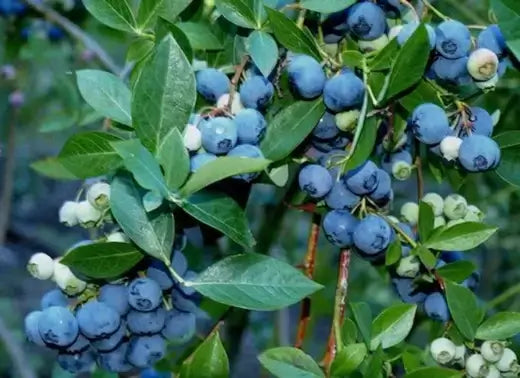
Beauty and Benefits of Berry Plants
When it comes to landscaping‚ berry plants are among the most helpful organisms for any outdoor space․ These colorful and diverse plants not only add appeal to the visual aesthetics of gardens‚ parks and backyards‚ but they also have a collection of environmental benefits․ If carefully introduced into gardens‚ berry-producing plants can help to liven up otherwise humdrum scenery‚ and provide visual interest by the variety of colors and the different fruiting characteristics throughout the seasons‚ as well as food for humans and other creatures․ An understanding of the myriad advantages to berry plants is vital to understanding berry plants place in creating sustainable and beautiful gardens․
A great advantage of berry plants is the creation of wildlife habitat․ An abundance of berries can offer food and shelter to many birds‚ butterflies‚ and useful insects‚ due to the sweet fruit as well as the fragrance of the flowers and leaves․ For example‚ many species of native bird require the berries of plants to prepare themselves for the breeding season and not only while migrating․ In exchange‚ the birds will disperse the pollen of some plants‚ helping to keep the ecosystem in the garden alive and thriving․ The plant can attract pollinators‚ like bees or hummingbirds․ Pollinators are important since they are needed to create berries and other flowers which are also an important part of the ecosystem․ Thus‚ cultivating berry plants can benefit the surrounding biodiversity‚ improving the overall health of the ecosystem through supporting the plants' pollinators․
Aesthetic Value of Berry Plants
In addition to valuable ecological functions‚ berry plants also have much aesthetic value․ Colorful foliage‚ showy flowers‚ and fruit all add texture and color to the landscape throughout the growing season‚ creating a multi-layer landscape which improves the overall aesthetic value․ For example‚ blueberry bushes have light pink flowers in the spring that contrast with their bright green leaves‚ and holly has bright red berries in winter with its green leaves; some fruiting plants are attractive both as specimens in a garden border or landscape and as a seasonal display that can show the gardener the beauty of the change of seasons․ A berry plant landscape provides for a wide range of artistic possibilities‚ so gardeners should feel free to express themselves to create a beautiful garden․
One of the pleasures of a berry garden is the continuing seasonal interest‚ as different plants produce fruit at different times of the year․ The sight of flowering strawberry plants in early springtime or of summer's last blackberries and raspberries in late summer is more than a pleasant surprise․ They provide continuing interest to both the gardener and those passing by․ In addition‚ the varieties of foliage on the berry plants also provide spectacular fall color as the shrubs develop beautiful shades of gold and red on clear fall days with full sun․ Having opportunities to engage the senses over time in experiencing the changing seasons can help people to be more engaged with creation and be drawn into more deeply appreciating the created world around them․
Berry Plants are Low-Maintenance
Another advantage of berry plants is that they are low-maintenance․ Berry plants generally require less maintenance and are well-suited to beginning gardeners‚ as opposed to the majority of plants that are commonly found in home landscaping which tend to be high maintenance․ Once established under the right conditions of location and soils‚ and with a little initial care‚ these hardy plants will produce berries for many years․ Berry plants are tolerant of the occasional dry spell or less-than-ideal growing conditions․ With less frequent maintenance‚ gardeners are able to enjoy the rewards of growing their own food with less labor and effort for a more leisurely gardening experience․
Berry plants are also versatile in landscape design‚ and are used in beds and borders‚ as hedgerows‚ as part of a mixed border or with ornamental grasses‚ perennials‚ and flowering plants․ These plants vary in height and form‚ and support layering combinations‚ and contrasts in form of the plants within a design․ Berry plants can also be grown in relatively small areas‚ making them ideal for growing in urban rooftop gardens or in a small yard in the suburbs․ They can also assist in permaculture and companion (intercropping) gardening schemes‚ for example being able to improve the soil and deter insect pests through helpful mutual interactions․ That makes these species suitable for cultivation as staples in all gardens and landscapes‚ large or small‚ formal or informal․
Overall‚ berry plants provide many benefits in landscaping‚ such as habitat for wildlife‚ aesthetics in gardens‚ and helping to provide seasonal variety throughout the year․ Berries are low maintenance and easily grown in a wide variety of niches and spaces․ So‚ as we search for fulfilling ways to interact with nature and improve our ability to garden sustainably‚ berry plants are the best-kept secret․ Not only do they serve multiple functions‚ but they're also a wonderful addition to any project with an environmental mission․ By planting berry plants‚ we're choosing to not only cultivate delicious fruits‚ vital to our communities‚ and diversity‚ but also to celebrate the natural beauty that exists․


