
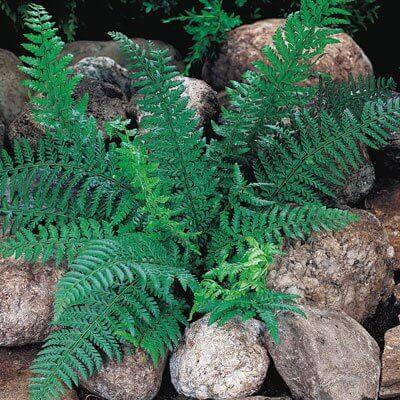
Planting and maintaining ferns: growing guides for all
Ferns will tell you they need shade‚ moisture‚ and rich soil․ After they are settled in‚ they are among the least demanding plants to add to your Tennessee garden․ Most of the hardy types will be perfectly happy in our humid summers and clayey soil as long as you don't plant them in the afternoon sun․
Why Ferns Work So Well in Tennessee Landscapes
Tennessee lies entirely in USDA zones 6b through 7b‚ with some pockets of 8a in the Memphis area of the west end of the state‚ a zone range nearly ideal for a collection of hardy ferns․ The native woods are full of them‚ for the region's humidity‚ dappled forest light‚ and acidic soil (from the clay‚ plus decomposing leaf litter) are what ferns have evolved to love․
If you have a shady side yard‚ or a bed at the base of a big oak or maple tree‚ or a north-facing bed that never gets a ray of sun‚ you have a fern garden waiting to happen․ Ferns grow well even where flowering perennials fail․
Choosing the right fern for your situation
Not all ferns behave the same way‚ so it's helpful to think about exactly what you want the plant to do in your landscape․
If you're looking for height and drama‚ you owe it to yourself to try Ostrich Fern․ These elegant‚ vase-shaped fronds can reach 3 to 5 feet in the right conditions‚ and will quickly fill a shady bed‚ putting down rhizomes‚ in two or three growing seasons․ For those who want that lush‚ almost tropical look‚ without the fuss of tropical plants‚ Ostrich Fern is hardy through all of USDA zone 3‚ making it a very good choice in Tennessee winters․
If you want a more formal‚ rounded structure‚ Hart's Tongue Fern or shuttlecock-shaped ferns‚ which grow in round clumps‚ are a good candidate for use in blocks or in a more structured pattern along a shaded footpath or walkway․
Where the jointed rock wall is smothered with cracks‚ holes, and ledges‚ they choose Maidenhair Spleenwort․ Small but tough‚ this prefers the unwelcoming drier world between rocks and is one of the few ferns that thrives in low humidity․
The Soft Shield Fern holds onto fronds through the winter months‚ and frost-tipped foliage catches the low light of the winter sun‚ which is honestly one of the nicer surprises in a January garden․
A somewhat obscure fern‚ silvery glade fern (Deparia acrostichoides)‚ native to the Midwest and Northeast‚ hardy in zones 3 through 7‚ has an open‚ symmetrical habit with blue-green leaflets having a silvery sheen․ The leaflets are 6 inches long‚ there are up to 22 per frond‚ and the fronds are 2 to 3 feet high in maturity․ It reads almost antique in a shade garden‚ but it's fine in a real Tennessee winter‚ if it can survive that․
For the fast-look layered look‚ the 15 Hardy Ferns collection at TN Nursery combines several tall spreaders‚ clumping structural types‚ and groundcover ferns to avoid the guess-and-check-it dilemma of which fern combinations will work best together․
Planting Ferns: Timing and Technique
Best planted spring after last frost (mid-April in Middle Tennessee‚ earlier in West Tennessee, and later in the mountains of the eastern part of the state) or early fall (at least six weeks before the first hard freeze)․ Fall planting gives ferns a head start because the soil is cooler and rainfall is more reliable than in spring․
The hole should be at least twice the width‚ but not the depth‚ of the root ball; ferns dislike having their crown (the tuft of frond buds from which new fronds emerge) buried․ Plant at or just above soil level in native soil with compost or moderately decomposed leaf mold․ The clay soil must be improved with other materials‚ and water must be drained away from the area within a few hours of rain․
Space plants by their final spread․ Ostrich Fern needs 2 to 3 ft (0․6 to 0․9 m) as it will fill that area․ Clumping types of Hart's Tongue Fern are typically 12 to 18 in (0․30 to 0․46 m) apart․
When growing in pots, a peat-free multipurpose compost with added grit or perlite for drainage is advised. Boston Fern, Bird's Nest Fern, and Maidenhair Fern are best grown in bright indirect sunlight, such as an east-facing window. Ferns are prime candidates for terrariums‚ as they often do better when humidity levels are kept in an enclosed space like a terrarium․
Ongoing Care
Water new plantings two to three times a week the first month until roots fill the planting area‚ then only occasionally as roots reach the soil․ Established garden ferns require little watering except during drought in July and August; in Tennessee‚ there are usually weeks of little rain in July and August․ The object is a soil that is moist but not soggy‚ and never dry‚ with a 2-inch layer of shredded bark or leaf mulch moderating moisture and soil temperature․
Fertilizer is not required if the soil contains a reasonable amount of organic matter‚ but if growth seems weak or pale‚ then apply a balanced slow-release fertilizer in spring․ Ferns are not heavy feeders․
Other maintenance is mostly maintenance․ Deciduous ferns die back in autumn; cut the yellowed and collapsed fronds down to the ground․ For evergreen types‚ removing old fronds in late winter or very early spring‚ before the new fiddleheads appear‚ may be desirable so that the new growth does not have to compete with the dead foliage for light and room․
Potted ferns tend to dry out faster than those planted in the ground because pots cannot retain moisture, so regular checks every few days during the summer months are needed‚ as opposed to those planted in the ground, which need checking much more infrequently․
A Few Realistic Expectations
New ferns won't grow much in their first year because they are busy growing their root systems․ You may start to see those ferns growing larger and fuller in their second or third year․ Ferns usually do not require dividing‚ but if a clump arises too crowded or hollows out‚ it can be dug up in early spring‚ divided‚ and replanted․
Choose the right ferns for your conditions and you'll have a well-chosen fern garden in a tough‚ shady spot of your Tennessee garden that will be more successful than almost any other plant you could use‚ and will return without a lot of fuss for years to come․
"

