
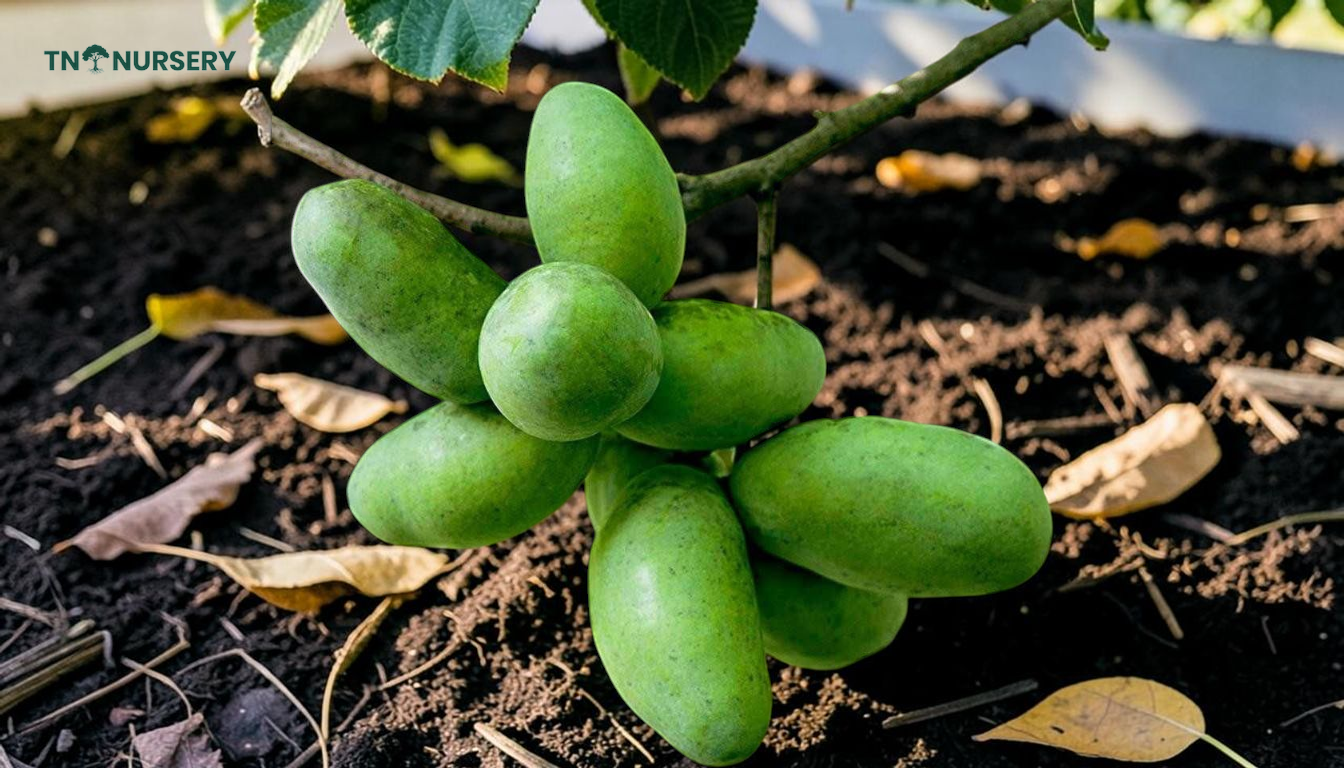
Choose the Right Shade Tree for Your Yard
We’ll help you match tree size, sun, and soil, so you can plant with confidence and avoid costly mistakes later.
How to choose the right shade tree?
- Match sun exposure first: partial shade for Pawpaw, full sun for Peach and Apple, flexible light for Red Maple
- Check soil before you plant: Pawpaw likes rich, well-drained soil, while Peach needs sandy to loamy ground
- Plan for mature size: Pawpaw, Peach, and Apple stay under 25 feet, but Red Maple grows taller
- Use growth rate wisely: Red Maple grows fast for quicker shade, while Peach grows slowly and needs more hands-on care
Compare Fruit Trees and a Shade Tree for Different Yard Sizes
Choosing the right tree starts with sun, soil, and space. Here we’ve grouped four useful types of trees so you can compare a Pawpaw Tree, Peach Tree, Apple Tree, and Red Maple Tree by light needs, ...


Fruit Trees and Small Trees That Fit Real Yards
When you're working through a tree selection guide for homeowners, these four picks cover fruit, spring bloom, and dependable summer cover. You'll find a native Pawpaw Tree for partial sun, a Peach...
Check Your Yard Before You Buy a Tree
Before you pick a shade tree, walk your yard and study the site. We want you planting once, not replanting after a wet summer or a too-tight fit by the driveway.
A tree that thrives in one corner can struggle ten feet away. Sun hours, drainage, root space, and your time for pruning all matter more than a pretty tag photo.
How to choose the right shade tree?
Start with the conditions you already have. Then match those conditions to a tree's light needs, mature size, and care level.
Sun and space: start here
If you are comparing types of trees, light is the first filter. Our Red Maple Tree for fast shade handles full sun or partial shade, while our Peach Tree with pink spring blooms needs 6 to 8 hours of full sun for strong fruiting.
Width matters too. The Apple Tree for home orchards can spread from 6 to 25 feet, so give it airflow and elbow room. The Pawpaw Tree for partial sun yards stays under 25 feet and fits better where taller canopies would crowd the house.
Drainage and soil
After rain, check whether water sits for a day or more. Red Maple tolerates moist, well-drained soil, clay, and occasional wet conditions. Peach is pickier. Keep it in sandy to loamy soil, and avoid heavy clay.
Keep in mind: a planting hole cannot fix a bad site. If the yard stays soggy, choose for that condition instead of trying to outwork it.
What are the best shade tree to buy?
For larger yards, Red Maple is the best pick when you want one of our fast growing trees with a broad canopy. For tighter spaces or woodland edges, Pawpaw makes more sense because it handles partial sun and rich, well-drained soil.
Simple checklist before buying
- Sun: Count direct sun hours in the exact planting spot.
- Drainage: Check if water drains within 24 hours after rain.
- Width: Measure clearance from house, walk, fence, and overhead lines.
- Maintenance: Be honest. Peach needs regular inspection and thinning. Apple also needs airflow and monitoring.
- Scale: If you need small trees, rule out oversized placements early.
- Patience: A growing tree changes fast in the first few years, so leave room now.
If you want to compare sizes and site needs in one place, browse our Trees for Sale collection. We keep the focus on zone fit and long-term survival, because that is what pays off in your yard.
Frequently Asked Questions
What are the best shade tree to buy?
For a true shade tree, we point most homeowners to our Red Maple Tree. It matures over 25 feet, grows fast, and handles full sun or partial shade in zones 3-9. If your yard has filtered light instead of open sun, our Pawpaw Tree is the better fit. It stays under 25 feet and handles partial sun to shade, which is rare for a fruiting tree.
How do I match trees to sun and soil in my yard?
Start with light first. Our Peach Tree and Apple Tree both need full sun, with at least 6-8 hours for strong flowering and fruit set. Peach also wants sandy to loamy, well-drained soil, while Apple needs sun and room for airflow. If you have richer soil and a shadier spot, our Pawpaw Tree handles that better. This is the practical way to think about how to match trees to sun and soil before you buy.
Which tree should I choose for a smaller yard?
If space is tight, stay with trees that mature under 25 feet. Our Pawpaw Tree, Peach Tree, and Apple Tree all fit that range, while Red Maple is better for larger lawns and long-term canopy. We usually tell customers to think about spread, not just height. A Peach Tree can reach 15-20 feet wide, so give it elbow room.
Are any of your trees good if I want spring flowers too?
Yes. Our Peach Tree gives you soft pink spring blooms, so if you want a tree with pink flowers and fruit later, that is the clear pick. Red Maple also blooms red in spring, but the flowers are much smaller and the main payoff is shade and fall color. Apple Tree blooms in white, which looks crisp in a sunny yard.
What if I want one of the fast growing trees but I am worried about choosing the wrong size?
Then avoid buying by photo alone. Our Red Maple Tree is one of the fast growing trees in this group, but it matures over 25 feet, so it can overpower a narrow front yard. Apple Tree also grows fast, yet it still stays in the under-25-foot category listed for this product. Keep mature size in mind now, not just the first two years.
Is spring a good time to plant bare-root trees?
Yes, spring is a solid planting season for our bare-root trees, especially when your soil is workable and not waterlogged. Our Pawpaw, Peach, Apple, and Red Maple are all shipped as bare-root stock. Plant promptly after they arrive, water them in well, and keep the root zone evenly moist while they establish.
Do you accept returns or offer refunds if I order the wrong tree?
We do not offer refunds, and we do not accept returns. We also do not include a warranty unless you purchase an extended warranty at the time of order. If you need help before ordering, email us at customerservice@tennesseewholesalenursery.com. We would rather help you compare site conditions first than have you end up with the wrong tree.
How do you ship your trees, and how can I contact you?
We ship all items by 3-4 day ground shipping. Our trees in this article ship as bare-root stock, which keeps planting straightforward in spring. If you have questions about choosing between fruit trees, california trees for climate matching, fig tree care, or even growing peach tree from seed, reach us at customerservice@tennesseewholesalenursery.com or write to Tennessee Wholesale Nursery, 12847 State Route 108, Altamont TN 37301, United States.
Find the Right Shade Tree for Your Yard
Ready to plant with confidence? We’ll help you match sun, soil, and space to trees that fit real goals, from quick canopy with Red Maple to home fruit from Apple, Peach, or Pawpaw. Start with our c...
